 Pocket Botanist
Plant guide
Cucumber.
Cucumis sativus L.
Pronounced KYOO-kuh-miss sah-TEE-vus
Also known as Cucumber, Garden Cucumber


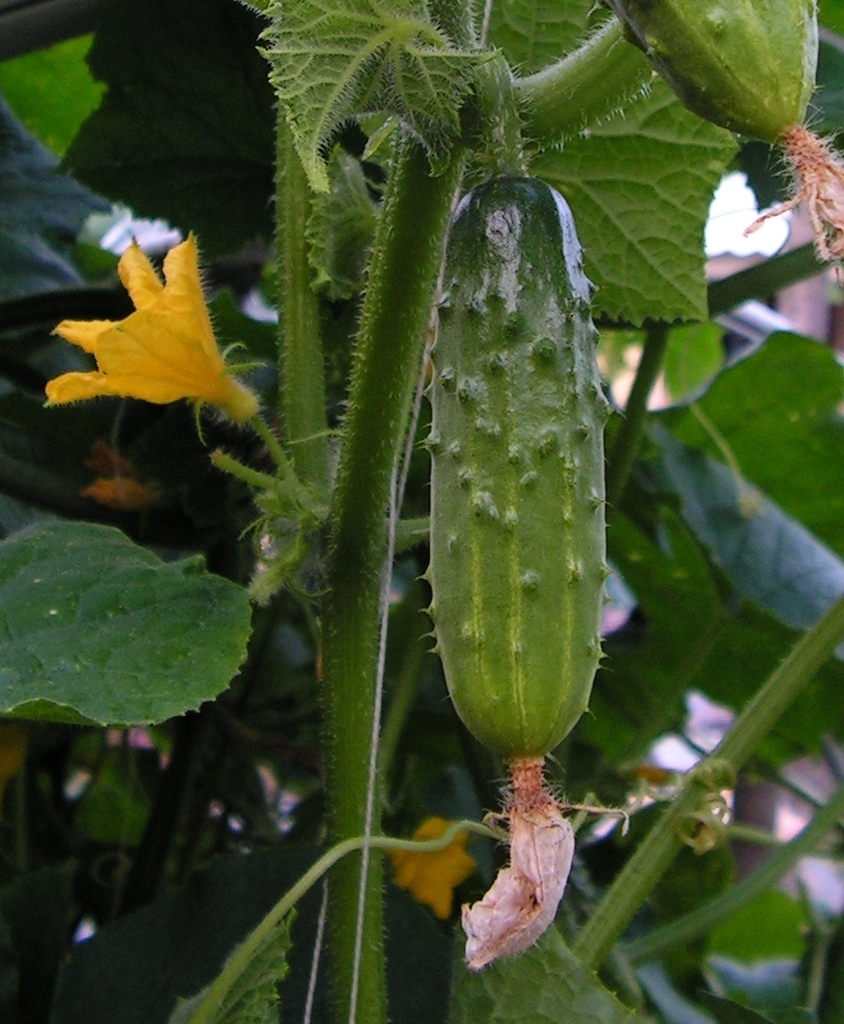
Cucumbers are popular, fast growing vining plants that love the heat of summer. They produce crisp, refreshing fruits that are perfect for salads or pickling. You will need a trellis or plenty of space for them to sprawl across your garden.

At a glance
- Care level
- Easy
- Plant type
- Annual vegetable
- Light
- Full sun
- Indoor light
- Direct sun
- Water
- Every 1 to 3 days
- Mature size
- 6 to 8 feet
- Growth rate
- Fast
- Hardiness
- USDA 4 to 11
- Bloom time
- Early to late summer
Care
Provide a sturdy trellis to keep the vines off the ground and improve airflow. Watch for powdery mildew on the leaves, which looks like white dust, and harvest fruits regularly to encourage more production. Consistent moisture is key to preventing bitter tasting cucumbers.
- Watering
- Keep the soil consistently moist but never waterlogged.
- Feeding
- Apply a balanced liquid fertilizer every two weeks once the plant begins to flower.
- Pruning
- Trim back excessive side shoots to focus the plant energy on fruit production.
- Repotting
- Cucumbers are annuals and generally do not get repotted.
- Soil
- Rich, well draining, organic soil
- Soil pH
- 6.0 to 6.8
- Temperature
- 15 to 35°C
- Humidity
- 50 to 80%
- Drought tolerance
- Low
- Lifespan
- Annual, typically 4 to 6 months
- Deer and rabbits
- Low
Signs it needs repotting
- Roots growing out of the drainage holes.
- Water running straight through the soil without soaking in.
Safety
- People
- The plant is non toxic to humans.
- Children
- The coarse, prickly stems can scratch delicate skin if children handle them without supervision.
- Contact allergens
- Some people may experience mild skin irritation from the prickly hairs on the stems and leaves.
- Airborne allergens
- There is no significant risk of respiratory allergy from this plant.
- Edibility
- Always wash store bought cucumbers as they may be coated in food grade wax or pesticides.
How to identify it
- Large, fuzzy, heart shaped leaves
- Yellow, bell shaped flowers
- Elongated, green, bumpy or smooth fruits
- Vigorous, climbing vining stems
- Height
- 0.2 to 3m
- Spread
- 0.6 to 1.5m
- Leaves
- green, deciduous
- Flowers
- yellow, 2 to 5cm
- Fruit
- green, yellow, Summer to early autumn
Problems to watch for
- AphidsCommon
- Cucumber BeetleCommon
- Downy MildewCommon
- Powdery MildewCommon
- Blossom End RotUncommon
- Slugs and SnailsUncommon
- Spider MitesUncommon
- Squash Vine BorerUncommon
By symptom
Check your cucumber from a photo
Pocket Botanist looks at a photo of your plant and tells you what's wrong and what to try first.
Growing it
- Propagation
- seed
- When to plant
- Spring, Early summer
- Overwintering
- This is an annual plant that will die with the first frost, so remove and compost the vines once they stop producing.
- In containers
- They grow well in containers if you choose a bush variety and provide a sturdy trellis, using at least a 20 liter pot.
Direct Sowing
- 1. Wait until soil is warm.
- 2. Plant seeds 2 centimeters deep.
- 3. Space seeds 30 centimeters apart.
Planting aromatic herbs nearby can help mask the scent of the vines from hungry beetles.
Grows well with
- Nasturtium — They act as a trap crop for aphids.
- Radish — They grow quickly and help deter cucumber beetles.
- Dill — Dill attracts beneficial predatory wasps that eat cucumber pests.
Keep away from
- Potato — They compete for soil nutrients and can encourage blight.
Similar species
Science
- Family
- Cucurbitaceae
- Genus
- Cucumis
- Order
- Cucurbitales
- Class
- Magnoliopsida
- Native range
- South Asia
- Conservation
- Not of conservation concern as it is a widely cultivated crop.
It is a trailing or climbing vine that uses tendrils to scramble over other vegetation in its native habitat.
- Value to wildlife
- nectar source
- Pollinators
- bees, butterflies
- Uses
- culinary, pickling, salads
Through the year
Ecological indicators
- Salinity
- 2/9
- Soil reaction
- 6/9
- Light
- 8/9
- Moisture
- 7/9
- Temperature
- 8/9
- Nutrients
- 8/9
Taxonomy resolved against GBIF.
Questions people ask
- Why are my cucumbers bitter?
- Bitterness is often caused by heat stress or inconsistent watering.
- Do I need to prune my vines?
- Pruning isn't strictly necessary, but it can improve airflow and fruit size.
Where the name comes from
The genus name Cucumis is the classical Latin name for the cucumber, while the species epithet sativus means cultivated.
Good to know
- Cucumbers are about 95 percent water.
- They belong to the same family as pumpkins and melons.
- The world record for the longest cucumber is over 100 centimeters.
- Cucumbers originated in India over 3,000 years ago.
Keep your cucumber growing
This page is a general guide. Save your plant in Pocket Botanist and you get care reminders timed for this plant, plus a care history that shows what worked.
This guide was generated with AI and checked against GBIF taxonomy. It is general information, not horticultural or veterinary advice. Read about how we build these guides.