 Pocket Botanist
Guide botanique
Concombre.
Cucumis sativus L.
Prononciation KYOO-kuh-miss sah-TEE-vus
Aussi appelée Concombre, Concombre de jardin


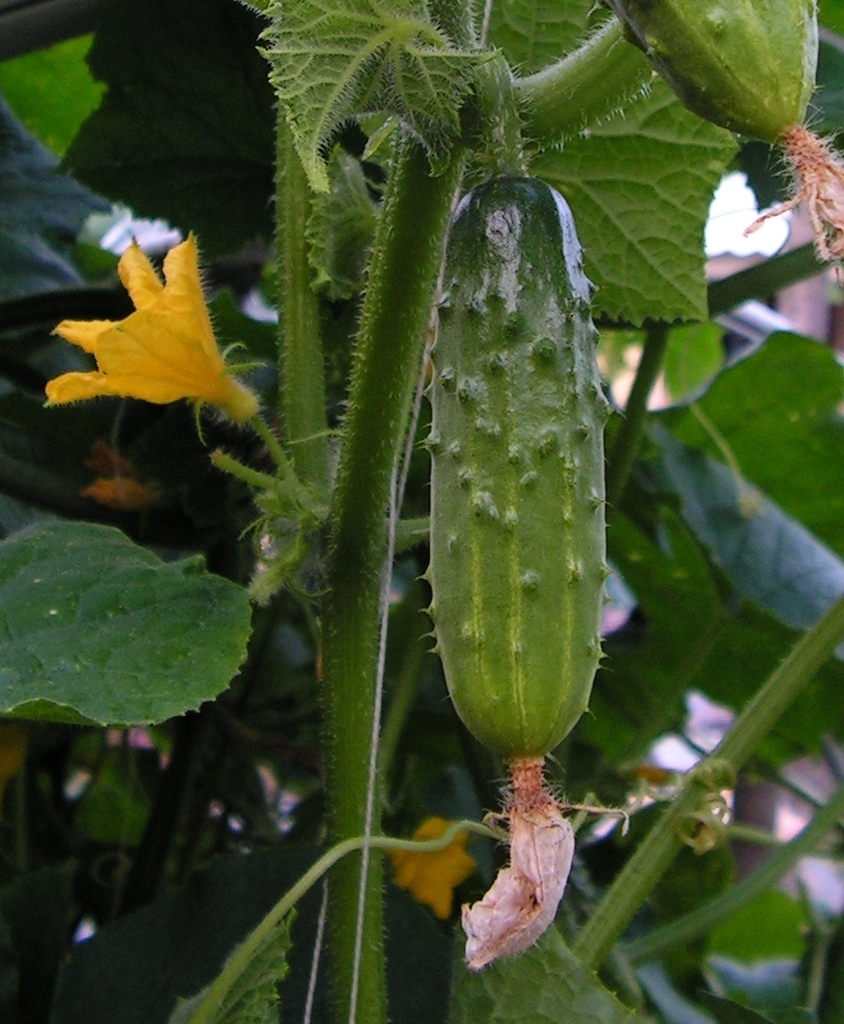
Les concombres sont des plantes grimpantes populaires et à croissance rapide qui aiment la chaleur de l'été. Ils produisent des fruits croquants et rafraîchissants, parfaits pour les salades ou les cornichons. Vous aurez besoin d'un treillis ou de beaucoup d'espace pour qu'ils s'étalent dans votre jardin.

En un coup d'œil
- Niveau d'entretien
- Facile
- Type de plante
- Légume annuel
- Lumière
- Plein soleil
- Lumière en intérieur
- Soleil direct
- Arrosage
- Tous les 1 à 3 jours
- Taille adulte
- 6 à 8 pieds
- Croissance
- Rapide
- Rusticité
- USDA 4 à 11
- Floraison
- Début à fin de l'été
Entretien
Fournissez un treillis solide pour maintenir les vignes hors du sol et améliorer la circulation de l'air. Surveillez l'oïdium sur les feuilles, qui ressemble à une poussière blanche, et récoltez les fruits régulièrement pour encourager une production accrue. Une humidité constante est essentielle pour éviter que les concombres ne deviennent amers.
- Arrosage
- Gardez le sol constamment humide, mais jamais détrempé.
- Engrais
- Appliquez un engrais liquide équilibré toutes les deux semaines une fois que la plante commence à fleurir.
- Taille
- Taillez les pousses latérales excessives pour concentrer l'énergie de la plante sur la production de fruits.
- Rempotage
- Les concombres sont des annuelles et ne sont généralement pas rempotés.
- Sol
- Sol riche, bien drainé et organique
- pH du sol
- 6.0 à 6.8
- Température
- 15 à 35°C
- Humidité
- 50 à 80%
- Résistance à la sécheresse
- Faible
- Durée de vie
- Annuelle, généralement 4 à 6 mois
- Résistance aux chevreuils et lapins
- Faible
Signes qu'il faut rempoter
- Les racines sortent des trous de drainage.
- L'eau traverse le sol sans être absorbée.
Sécurité
- Humains
- La plante est non toxique pour les humains.
- Enfants
- Les tiges rugueuses et piquantes peuvent égratigner la peau délicate si les enfants les manipulent sans surveillance.
- Allergènes de contact
- Certaines personnes peuvent ressentir une légère irritation cutanée due aux poils piquants des tiges et des feuilles.
- Allergènes aéroportés
- Il n'y a pas de risque significatif d'allergie respiratoire due à cette plante.
- Comestibilité
- Lavez toujours les concombres achetés en magasin car ils peuvent être recouverts d'une cire de qualité alimentaire ou de pesticides.
Comment l'identifier
- Grandes feuilles en forme de cœur, duveteuses
- Fleurs jaunes en forme de cloche
- Fruits allongés, verts, bosselés ou lisses
- Tiges grimpantes vigoureuses
- Hauteur
- 0,2 à 3m
- Envergure
- 0,6 à 1,5m
- Feuilles
- vert, caduc
- Fleurs
- jaune, 2 à 5cm
- Fruits
- vert, jaune, Été à début d'automne
Problèmes à surveiller
- Chrysomèle rayée du concombreCourant
- MildiouCourant
- OïdiumCourant
- PuceronsCourant
- Limaces et escargotsPeu courant
- Nécrose apicalePeu courant
- Sésie de la courgePeu courant
- TétranyquesPeu courant
- Mildiou poudreux — Une infection fongique qui apparaît sous forme de taches blanches poudreuses sur les feuilles.
- Diabrotique du concombre — De petits coléoptères rayés ou tachetés qui se nourrissent du feuillage et transmettent le flétrissement bactérien.
Par symptôme
Vérifie la santé de ta plante en photo
Pocket Botanist analyse une photo de ta plante et te dit ce qui ne va pas et quoi essayer en premier.
La cultiver
- Multiplication
- semis
- Quand planter
- Printemps, Début de l'été
- Hivernage
- C'est une plante annuelle qui mourra au premier gel, alors retirez et compostez les plants une fois qu'ils cesseront de produire.
- En pot
- Ils poussent bien en pots si vous choisissez une variété naine et fournissez un treillis solide, en utilisant un pot d'au moins 20 litres.
Semis direct
- 1. Attendez que le sol soit chaud.
- 2. Semez les graines à 2 centimètres de profondeur.
- 3. Espacez les graines de 30 centimètres.
Planter des herbes aromatiques à proximité peut aider à masquer l'odeur des plants des scarabées affamés.
Bonnes associations
À éloigner de
- Pomme de terre — Ils entrent en compétition pour les nutriments du sol et peuvent favoriser le mildiou.
Espèces similaires
Science
- Famille
- Cucurbitaceae
- Genre
- Cucumis
- Ordre
- Cucurbitales
- Classe
- Magnoliopsida
- Région d'origine
- Asie du Sud
- Préservation
- Pas une préoccupation en matière de conservation car il s'agit d'une culture largement répandue.
C'est une plante rampante ou grimpante qui utilise ses vrilles pour s'accrocher à d'autres végétations dans son habitat d'origine.
- Intérêt pour la faune
- source de nectar
- Pollinisateurs
- abeilles, papillons
- Utilisations
- culinaire, conservation, salades
Au fil des saisons
Repères écologiques
- Salinité
- 2/9
- Réaction du sol
- 6/9
- Lumière
- 8/9
- Humidité
- 7/9
- Température
- 8/9
- Nutriments
- 8/9
Taxonomie vérifiée avec le GBIF.
Ce qu'on demande souvent
- Pourquoi mes concombres sont-ils amers ?
- L'amertume est souvent causée par le stress thermique ou un arrosage irrégulier.
- Dois-je tailler mes plants ?
- La taille n'est pas strictement nécessaire, mais elle peut améliorer la circulation de l'air et la taille des fruits.
D'où vient le nom
Le nom du genre Cucumis est le nom latin classique du concombre, tandis que l'épithète spécifique sativus signifie cultivé.
Bon à savoir
- Les concombres sont composés à environ 95 % d'eau.
- Ils appartiennent à la même famille que les courges et les melons.
- Le record du monde du concombre le plus long est de plus de 100 centimètres.
- Les concombres sont originaires d'Inde, il y a plus de 3 000 ans.
Garde ta plante en pleine forme
Cette page est un guide général. Enregistre ta plante dans Pocket Botanist et tu reçois des rappels d'entretien adaptés à cette plante, ainsi qu'un historique d'entretien qui montre ce qui a marché.
Ce guide a été généré par IA et vérifié avec la taxonomie du GBIF. Il s'agit d'informations générales, et non de conseils horticoles ou vétérinaires. Découvre comment nous concevons ces guides.