 Pocket Botanist
Plant guide
Moss rose.
Portulaca grandiflora Hook.
Pronounced por-tyoo-LAH-kuh gran-dih-FLOR-uh
Also known as Bunga Pukul Sembilan, Eleven-o'clock, Mexican rose, Mexican-rose, Moss-rose, Moss-rose Purslane, Rose Moss, Rose-moss [a Purslane]



Moss rose is a charming, low growing succulent that loves the heat. It produces vibrant, rose like flowers in a variety of bright colors. You will find it thrives best in sunny spots where other plants might struggle.
At a glance
- Care level
- Easy
- Plant type
- Annual succulent
- Light
- Full sun
- Indoor light
- Direct sun
- Water
- Every 5 to 10 days
- Mature size
- 6 to 8 inches tall
- Growth rate
- Fast
- Hardiness
- USDA 9 to 11
- Bloom time
- Early summer to first frost
Care
Plant these in well draining soil to prevent root rot. Watch for yellowing leaves, which often signal that the plant is getting too much water. Make sure it gets plenty of sun, or it will not bloom well.
- Watering
- Allow the soil to dry out completely between waterings.
- Feeding
- Apply a balanced liquid fertilizer once a month during the growing season.
- Pruning
- Pinch back spent blooms to encourage more flowers to grow.
- Repotting
- Since these are typically grown as annuals, repotting is rarely necessary.
- Soil
- Sandy, well draining soil
- Soil pH
- 6.0 to 7.5
- Temperature
- 10 to 35°C
- Humidity
- 20 to 50%
- Drought tolerance
- High
- Lifespan
- Annual in most climates, though it may self-seed.
- Deer and rabbits
- Moderate
Signs it needs repotting
- Roots growing out of the drainage holes.
- Water running straight through the pot without soaking in.
Safety
- People
- The plant is generally considered non-toxic, but ingestion may cause mild stomach upset due to soluble oxalates.
- Pets
- This plant is considered toxic to cats and dogs if ingested.
- Children
- The small seeds and succulent stems are not a significant choking hazard, but they should not be ingested.
- Edibility
- While not highly toxic, the plant contains oxalates that can be harmful if consumed in large quantities.
How to identify it
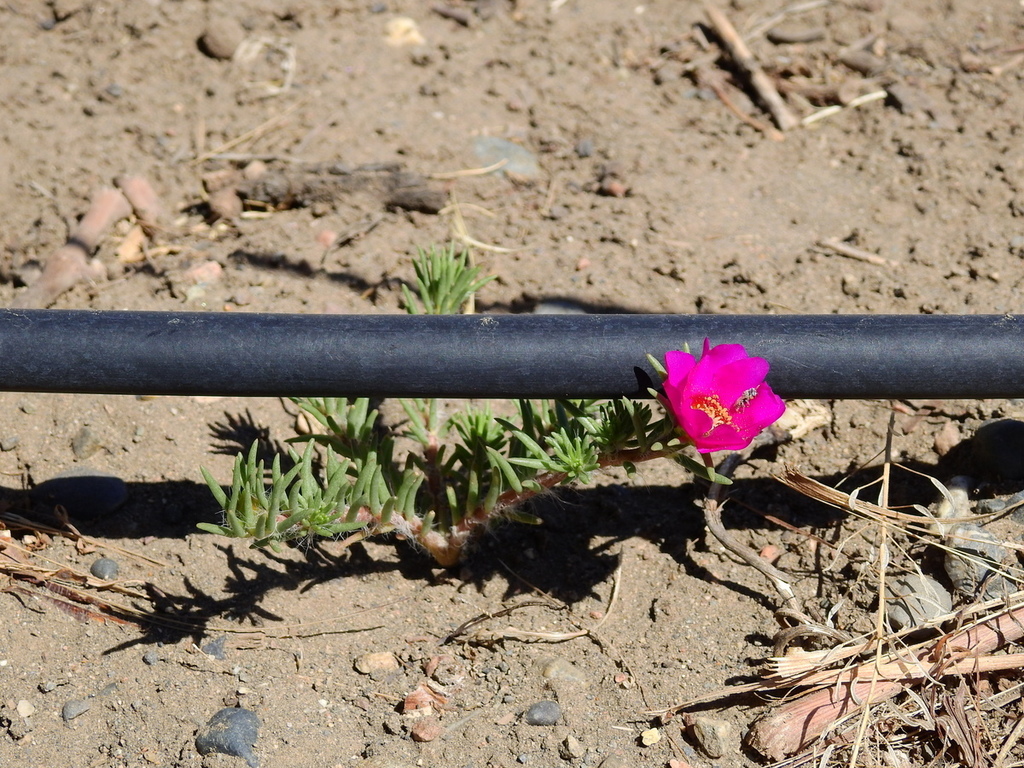
- Succulent, needle like foliage
- Bright, multi petaled flowers
- Low growing, spreading habit
- Flowers close at night
- Height
- 0.1 to 0.2m
- Spread
- 0.2 to 0.4m
- Leaves
- green, deciduous
- Flowers
- red, pink, yellow, orange, white, 2 to 5cm
Problems to watch for
- AphidsCommon
- Root RotCommon
- Botrytis BlightUncommon
- Stem RotUncommon
By symptom
Check your moss rose from a photo
Pocket Botanist looks at a photo of your plant and tells you what's wrong and what to try first.
Growing it
- Propagation
- seed, cuttings
- When to plant
- spring
- Overwintering
- In cold climates, this plant is treated as an annual and will die with the first frost. You can collect seeds in late summer to sow the following spring.
- In containers
- It is excellent for containers, provided the pot has drainage holes and a minimum diameter of 15 centimeters.
Seed Sowing
- 1. Surface sow seeds in a well-draining mix in early spring.
- 2. Press seeds lightly into the soil without covering them.
- 3. Keep the soil lightly moist until germination occurs.
Stem Cuttings
- 1. Take a 5 centimeter cutting from a healthy stem.
- 2. Allow the cut end to callous for a day.
- 3. Insert the cutting into moist, sandy soil.
Pair this plant with other drought-tolerant species to ensure consistent watering needs across your garden bed.
Grows well with
Similar species
- Purslane — It is a close relative with similar succulent foliage but smaller, less showy flowers.
Science
- Family
- Portulacaceae
- Genus
- Portulaca
- Order
- Caryophyllales
- Class
- Magnoliopsida
- Native range
- South America, specifically Argentina, southern Brazil, and Uruguay.
- Conservation
- This plant is widely cultivated and not of conservation concern.
It survives in harsh, dry environments by storing water in its succulent leaves and stems.
- Value to wildlife
- nectar source
- Pollinators
- bees, butterflies
- Uses
- ground cover, container gardening, rock gardens, hanging baskets
Through the year
Ecological indicators
- Salinity
- 3/9
- Moisture
- 2/9
- Soil reaction
- 6/9
- Light
- 8/9
- Temperature
- 7/9
- Nutrients
- 2/9
Taxonomy resolved against GBIF.
Questions people ask
- Do I need to deadhead my moss rose?
- Deadheading is not strictly necessary as the plant is self-cleaning, but it can encourage more blooms.
- Why are my flowers closed?
- They likely need more direct sunlight, as they only open when the sun is shining brightly.
Where the name comes from
The specific epithet grandiflora means large-flowered, highlighting the showy nature of the blooms compared to other species.
Good to know
- It is commonly known as moss rose because of its needle-like leaves.
- The plant is extremely heat and drought tolerant.
- It thrives in poor, sandy soils where other plants struggle.
- The genus name Portulaca comes from the Latin word for gate or door, referring to the way the seed capsule opens.
Also in
Keep your moss rose growing
This page is a general guide. Save your plant in Pocket Botanist and you get care reminders timed for this plant, plus a care history that shows what worked.
This guide was generated with AI and checked against GBIF taxonomy. It is general information, not horticultural or veterinary advice. Read about how we build these guides.