 Pocket Botanist
Guía de plantas
Verdolaga de flor.
Portulaca grandiflora Hook.
Pronunciación por-tyoo-LAH-kuh gran-dih-FLOR-uh
También se conoce como Bunga Pukul Sembilan, Eleven-o'clock, Rosa de México, Rosa mexicana, Verdolaga de flor, Moss-rose Purslane, Rosa de musgo, Rosa-musgo [una Verdolaga]



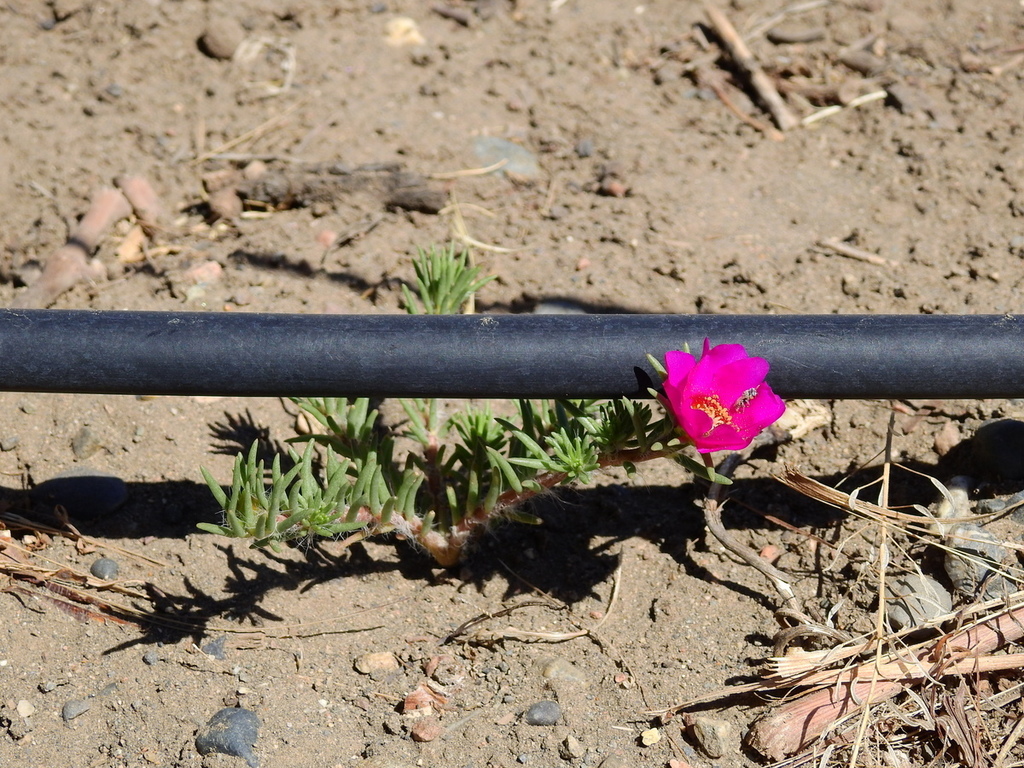
La verdolaga de flor es una suculenta encantadora y de crecimiento bajo que ama el calor. Produce flores vibrantes, parecidas a rosas, en una variedad de colores brillantes. La encontrarás prosperando mejor en lugares soleados donde otras plantas podrían tener dificultades.
De un vistazo
- Nivel de cuidados
- Fácil
- Tipo de planta
- Suculenta anual
- Luz
- Sol pleno
- Luz en interior
- Sol directo
- Riego
- Cada 5 a 10 días
- Tamaño adulto
- 6 a 8 pulgadas de alto
- Ritmo de crecimiento
- Rápido
- Rusticidad
- USDA 9 a 11
- Floración
- Desde principios de verano hasta la primera helada
Cuidados
Planta estas en tierra que drene bien para prevenir la pudrición de las raíces. Vigila las hojas amarillas, que a menudo señalan que la planta está recibiendo demasiada agua. Asegúrate de que reciba mucho sol, o no florecerá bien.
- Riego
- Deja que la tierra se seque por completo entre riegos.
- Abonado
- Aplica un fertilizante líquido equilibrado una vez al mes durante la temporada de crecimiento.
- Poda
- Pellizca las flores marchitas para fomentar el crecimiento de más flores.
- Trasplante
- Dado que típicamente se cultivan como anuales, rara vez es necesario trasplantar.
- Suelo
- Tierra arenosa y con buen drenaje
- pH del suelo
- 6.0 a 7.5
- Temperatura
- 10 a 35°C
- Humedad
- 20 a 50%
- Tolerancia a la sequía
- Alta
- Longevidad
- Anual en la mayoría de los climas, aunque puede autosembrarse.
- Resistencia a ciervos y conejos
- Moderada
Señales de que necesita trasplante
- Raíces que crecen por los agujeros de drenaje.
- El agua pasa directamente a través de la maceta sin empaparse.
Seguridad
- Personas
- La planta generalmente se considera no tóxica, pero la ingestión puede causar malestar estomacal leve debido a los oxalatos solubles.
- Mascotas
- Esta planta se considera tóxica para gatos y perros si se ingiere.
- Niños
- Las semillas pequeñas y los tallos suculentos no representan un riesgo significativo de asfixia, pero no deben ingerirse.
- Alérgenos por contacto
- No se observan alérgenos de contacto significativos.
- Alérgenos en el aire
- El polen puede causar una leve irritación respiratoria en personas sensibles.
- Comestibilidad
- Aunque no es muy tóxica, la planta contiene oxalatos que pueden ser perjudiciales si se consumen en grandes cantidades.
Cómo identificarla
- Follaje suculento, parecido a agujas
- Flores brillantes y de múltiples pétalos
- Hábito de crecimiento bajo y expansivo
- Las flores se cierran por la noche
- Altura
- 0,1 a 0,2m
- Anchura
- 0,2 a 0,4m
- Hojas
- verde, caducifolio
- Flores
- rojo, rosa, amarillo, naranja, blanco, 2 a 5cm
Problemas a vigilar
- Podredumbre radicularComún
- PulgonesComún
- BotritisPoco común
- Podredumbre del talloPoco común
- Pudrición de raíz — Ocurre cuando el suelo permanece demasiado húmedo durante períodos prolongados.
Por síntoma
Revisa tu verdolaga de flor con una foto
Pocket Botanist mira una foto de tu planta y te dice qué le pasa y qué probar primero.
Cómo cultivarla
- Propagación
- semilla, esquejes
- Cuándo plantar
- primavera
- Cuidados en invierno
- En climas fríos, esta planta se trata como anual y morirá con la primera helada. Puedes recolectar semillas a finales de verano para sembrarlas la primavera siguiente.
- En maceta
- Es excelente para contenedores, siempre que la maceta tenga agujeros de drenaje y un diámetro mínimo de 15 centímetros.
Siembra de semillas
- 1. Siembra las semillas en la superficie en una mezcla bien drenada a principios de primavera.
- 2. Presiona ligeramente las semillas en el suelo sin cubrirlas.
- 3. Mantén el suelo ligeramente húmedo hasta que ocurra la germinación.
Esquejes de tallo
- 1. Toma un esqueje de 5 centímetros de un tallo sano.
- 2. Deja que el extremo cortado se seque durante un día.
- 3. Inserta el esqueje en tierra húmeda y arenosa.
Combina esta planta con otras especies tolerantes a la sequía para asegurar necesidades de riego consistentes en tu parterre.
Buenas compañeras
Especies parecidas
- Verdolaga — Es un pariente cercano con follaje suculento similar pero flores más pequeñas y menos vistosas.
Ciencia
- Familia
- Portulacaceae
- Género
- Portulaca
- Orden
- Caryophyllales
- Clase
- Magnoliopsida
- Distribución natural
- América del Sur, específicamente Argentina, el sur de Brasil y Uruguay.
- Conservación
- Esta planta se cultiva ampliamente y no es una preocupación de conservación.
Sobrevive en ambientes duros y secos almacenando agua en sus hojas y tallos suculentos.
- Valor para la fauna
- fuente de néctar
- Polinizadores
- abejas, mariposas
- Usos
- cubresuelos, jardineras de contenedores, jardines de rocas, cestas colgantes
A lo largo del año
Indicadores ecológicos
- Salinidad
- 3/9
- Humedad
- 2/9
- Reacción del suelo
- 6/9
- Luz
- 8/9
- Temperatura
- 7/9
- Nutrientes
- 2/9
Taxonomía cotejada con GBIF.
Lo que más preguntan
- ¿Necesito quitar las flores marchitas de mi verdolaga?
- Quitar las flores marchitas no es estrictamente necesario ya que la planta se limpia sola, pero puede fomentar más floraciones.
- ¿Por qué mis flores están cerradas?
- Probablemente necesiten más luz solar directa, ya que solo se abren cuando el sol brilla intensamente.
De dónde viene el nombre
El epíteto específico grandiflora significa flor grande, resaltando la naturaleza llamativa de las flores en comparación con otras especies.
Bueno saberlo
- Se le conoce comúnmente como verdolaga porque sus hojas parecen de rosa.
- La planta es extremadamente tolerante al calor y a la sequía.
- Prospera en suelos pobres y arenosos donde otras plantas luchan.
- El nombre del género Portulaca proviene de la palabra latina para puerta o portón, refiriéndose a la forma en que se abre la cápsula de la semilla.
También en
Que tu verdolaga de flor siga creciendo
Esta página es una guía general. Guarda tu planta en Pocket Botanist y tendrás recordatorios de cuidado pensados para esta planta, además de un historial de cuidados que muestra qué ha funcionado.
Esta guía se ha generado con IA y se ha cotejado con la taxonomía de GBIF. Es información general, no asesoramiento botánico ni veterinario. Descubre cómo elaboramos estas guías.