 Pocket Botanist
Guía de plantas
Verdolaga.
Portulaca oleracea
Pronunciación por-tyoo-LAH-kuh oh-ler-AY-see-uh
También se conoce como Akulikuli-kula, Verdolaga común, Duckweed, Verdolaga de huerta, Verdolaguilla, Munyeroo


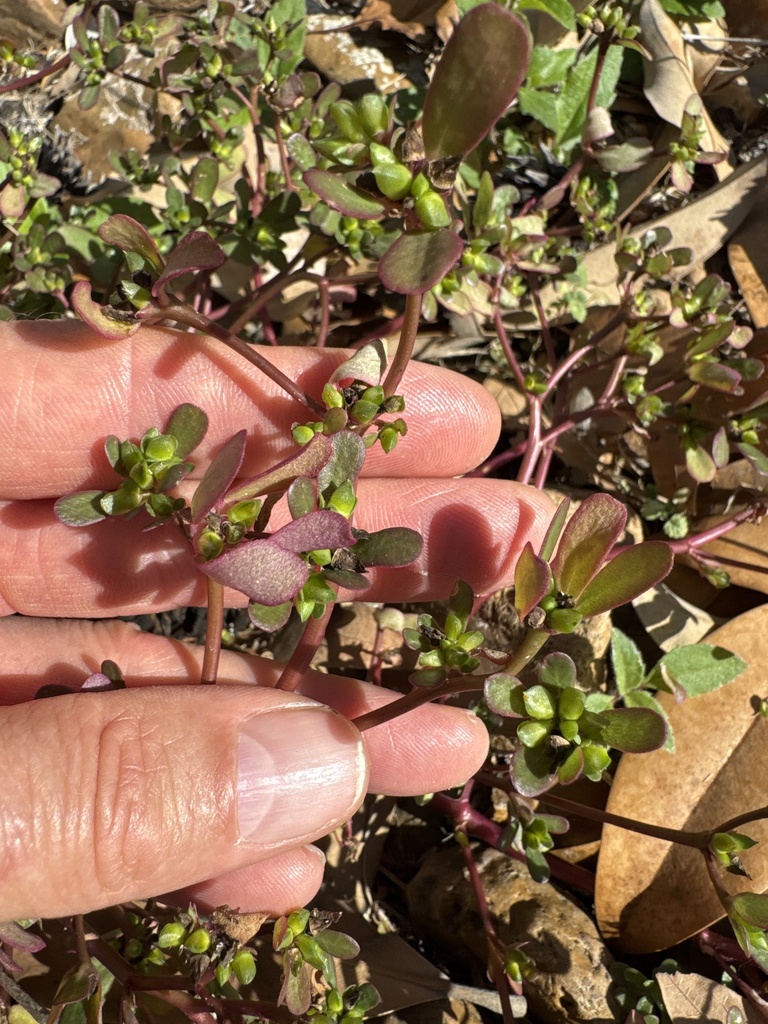
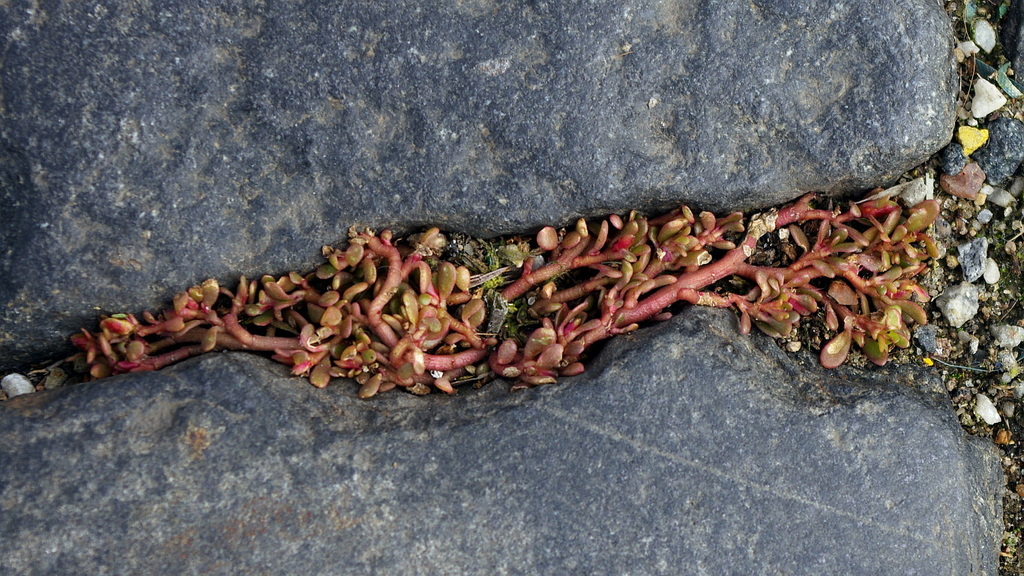
La verdolaga común es una planta anual resistente y suculenta que prospera en climas cálidos. A menudo se encuentra creciendo en parterres o grietas de las aceras. Esta planta es comestible y bastante nutritiva.
De un vistazo
- Nivel de cuidados
- Fácil
- Tipo de planta
- Suculenta anual
- Luz
- Pleno sol
- Luz en interior
- Sol directo
- Riego
- Cada 5 a 10 días
- Tamaño adulto
- 15 cm de alto, 45 cm de ancho
- Ritmo de crecimiento
- Rápido
- Rusticidad
- USDA 2 a 11
- Floración
- Finales de primavera hasta principios de otoño
Cuidados
Dale a esta planta mucho sol y tierra que drene bien para mantenerla feliz. Vigila si se marchita si la tierra permanece seca durante demasiado tiempo con calor intenso. Es muy tolerante a la sequía una vez establecida.
- Riego
- Riega cuando la pulgada superior de la tierra se sienta seca al tacto.
- Abonado
- Aplica un fertilizante líquido equilibrado con moderación durante la temporada de crecimiento.
- Poda
- Pellizca los tallos para fomentar un hábito de crecimiento más frondoso.
- Trasplante
- Trasplanta anualmente si cultivas en macetas para renovar la tierra.
- Suelo
- Tierra arenosa, franca o pobre
- pH del suelo
- 5.5 a 8.5
- Temperatura
- 15 a 35°C
- Humedad
- 20 a 60%
- Tolerancia a la sequía
- Alta
- Longevidad
- Anual, completa su ciclo vital en una temporada.
- Resistencia a ciervos y conejos
- Moderada
Señales de que necesita trasplante
- Raíces que crecen por los agujeros de drenaje.
- El crecimiento de la planta se ralentiza significativamente.
- La tierra se seca mucho más rápido de lo habitual.
Seguridad
- Personas
- La planta es generalmente segura para comer con moderación, pero contiene oxalatos que pueden causar problemas a personas sensibles.
- Mascotas
- Esta planta se considera no tóxica para gatos y perros.
- Niños
- Los niños pequeños deben ser supervisados, ya que las diminutas semillas pueden suponer un pequeño peligro de asfixia si se ingieren en grandes cantidades.
- Alérgenos por contacto
- No se conocen irritantes de contacto específicos.
- Alérgenos en el aire
- El polen puede causar irritación respiratoria leve en personas muy sensibles.
- Comestibilidad
- Consulte a un profesional antes de consumirla, ya que los altos niveles de oxalato pueden ser perjudiciales para personas con cálculos renales.
Cómo identificarla
- Hojas carnosas, lisas y en forma de paleta
- Tallos rojizos, suculentos y postrados
- Flores pequeñas, amarillas y de cinco pétalos
- Semillas diminutas, negras y con forma de riñón
- Altura
- 0,05 a 0,2m
- Anchura
- 0,15 a 0,45m
- Hojas
- verde, rojizo, caducifolio
- Flores
- amarillo, 0,5 a 1cm
- Frutos
- marrón, Verano a otoño
Problemas a vigilar
- PulgonesComún
- Roya blancaComún
- Babosas y caracolesPoco común
- Podredumbre radicularPoco común
Revisa tu verdolaga con una foto
Pocket Botanist mira una foto de tu planta y te dice qué le pasa y qué probar primero.
Cómo cultivarla
- Propagación
- semillas, esquejes
- Cuándo plantar
- primavera, verano
- Cuidados en invierno
- Esta planta es anual y morirá con la primera helada, así que recoja las semillas a finales de verano para replantarlas el año que viene.
- En maceta
- Crece muy bien en recipientes poco profundos o cestas colgantes debido a su pequeño sistema radicular.
Siembra de semillas
- 1. Esparza las semillas sobre tierra húmeda y bien drenada.
- 2. Presiónelas ligeramente sobre la superficie sin enterrarlas.
- 3. Mantenga la tierra ligeramente húmeda hasta que germine.
Utilice esta planta como cubierta vegetal viva para proteger la humedad del suelo en camas de jardín calientes y soleadas.
Buenas compañeras
- Tomate — Actúa como un mantillo vivo que mantiene el suelo fresco y húmedo para las raíces del tomate.
- Pimiento morrón — Proporciona cobertura del suelo que suprime las malas hierbas alrededor de las plantas de pimiento.
Especies parecidas
- Verdolaga de flor — Es un pariente cercano que a menudo se cultiva por sus vistosas y coloridas flores.
Ciencia
- Familia
- Portulacaceae
- Género
- Portulaca
- Orden
- Caryophyllales
- Clase
- Magnoliopsida
- Distribución natural
- Probablemente el norte de África y Oriente Medio, ahora naturalizada a nivel mundial.
- Conservación
- Esta planta se considera una mala hierba extendida y no es motivo de preocupación para su conservación.
Prospera en suelos alterados y grietas del pavimento donde otras plantas luchan por competir.
- Valor para la fauna
- fuente de néctar
- Polinizadores
- abejas, mariposas
- Usos
- verdes culinarios, cubresuelos, hierba medicinal
A lo largo del año
Indicadores ecológicos
- Salinidad
- 4/9
- Reacción del suelo
- 6/9
- Luz
- 8/9
- Temperatura
- 7/9
- Humedad
- 3/9
- Nutrientes
- 5/9
Taxonomía cotejada con GBIF.
Lo que más preguntan
- ¿Es la verdolaga una mala hierba?
- A menudo se trata como una mala hierba en los jardines, pero también es una planta comestible muy nutritiva.
- ¿Necesita mucha agua?
- No, es muy tolerante a la sequía y prefiere secarse entre riegos.
De dónde viene el nombre
El nombre oleracea significa huerto en latín, refiriéndose a su historia como planta alimenticia cultivada.
Bueno saberlo
- Es una suculenta porque almacena agua en sus hojas.
- La planta puede sobrevivir al calor y a la sequía extremos.
- A menudo se considera una mala hierba en los jardines a pesar de su valor nutricional.
- Las semillas pueden permanecer viables en el suelo durante décadas.
También en
Que tu verdolaga siga creciendo
Esta página es una guía general. Guarda tu planta en Pocket Botanist y tendrás recordatorios de cuidado pensados para esta planta, además de un historial de cuidados que muestra qué ha funcionado.
Esta guía se ha generado con IA y se ha cotejado con la taxonomía de GBIF. Es información general, no asesoramiento botánico ni veterinario. Descubre cómo elaboramos estas guías.