 Pocket Botanist
Guía de plantas
Pimiento morrón.
Capsicum annuum
Pronunciación KAP-sih-kum AN-yoo-um
También se conoce como Pimiento morrón, Bird Pepper, Capsicum, Chile, Chile verde, Chile picante, Pimentón, Pimiento dulce, Pimiento de Cayena, Chile, Chili, Pimiento verde



Los pimientos morrones son un favorito en los huertos caseros por su textura crujiente y su sabor dulce. Prosperan en climas cálidos y necesitan mucho sol para producir una buena cosecha. Verás que son fáciles de cultivar si les proporcionas humedad constante y un suelo rico.
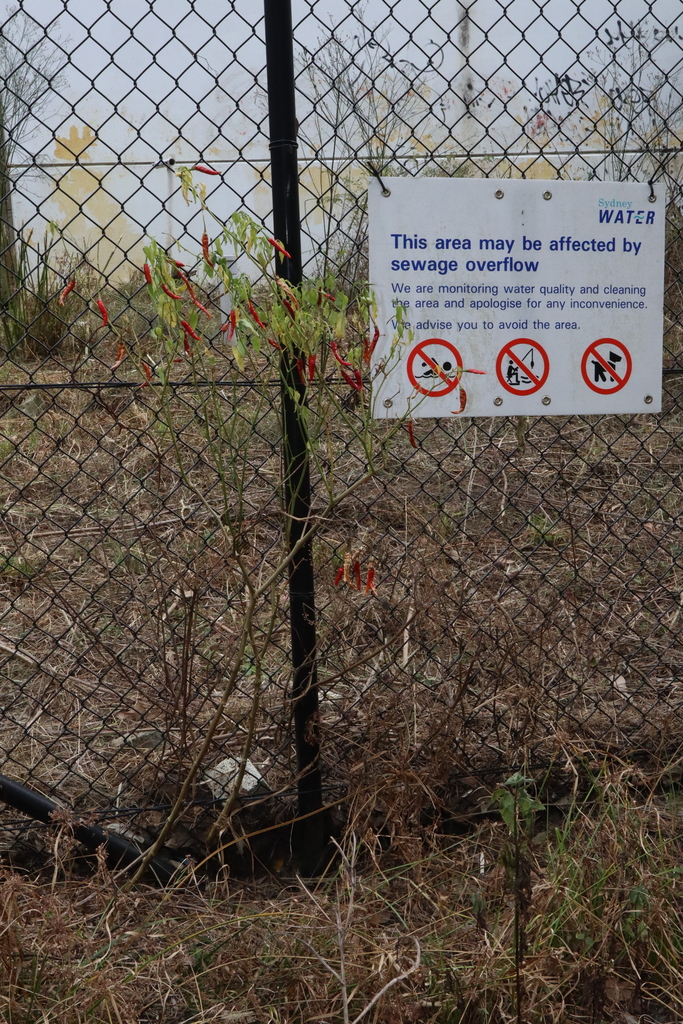
De un vistazo
- Nivel de cuidados
- Fácil
- Tipo de planta
- Anual
- Luz
- Pleno sol
- Luz en interior
- Sol directo
- Riego
- Cada 2 a 4 días
- Tamaño adulto
- 60 a 90 cm
- Ritmo de crecimiento
- Medio
- Rusticidad
- USDA 9 a 11
- Floración
- Principios a mediados de verano
Cuidados
Mantén la tierra uniformemente húmeda, pero no encharcada, para prevenir la pudrición apical. Vigila las pulgones en el envés de las hojas y asegúrate de que la planta reciba suficiente calor para madurar el fruto. Soporta los frutos pesados con estacas para evitar que los tallos se rompan.
- Riego
- Riega profundamente cada vez que la pulgada superior de la tierra se sienta seca.
- Abonado
- Usa un fertilizante balanceado una vez que la planta comience a florecer.
- Poda
- Retira los chupones inferiores para mejorar la circulación del aire y enfocar la energía en la producción de frutos.
- Trasplante
- Generalmente se cultiva como anual, por lo que rara vez se necesita trasplantar.
- Suelo
- Tierra franca bien drenada y rica en nutrientes
- pH del suelo
- 6.0 a 6.8
- Temperatura
- 15 a 35°C
- Humedad
- 40 a 60%
- Tolerancia a la sequía
- Moderada
- Longevidad
- Perenne de corta vida, típicamente de 1 a 3 años.
- Resistencia a ciervos y conejos
- Moderada
Señales de que necesita trasplante
- Raíces que crecen por los agujeros de drenaje.
- El agua pasa directamente a través de la maceta sin empaparse.
- Crecimiento atrofiado a pesar de la alimentación regular.
Seguridad
- Personas
- La planta es generalmente segura, pero el fruto de las variedades picantes puede causar intensas sensaciones de ardor.
- Niños
- Mantén a los niños alejados de las variedades de pimientos picantes para evitar el contacto accidental con los ojos o la boca.
- Alérgenos por contacto
- La capsaicina en el fruto puede causar irritación de la piel o dermatitis en personas sensibles.
- Alérgenos en el aire
- El polen generalmente no es un alérgeno significativo.
- Comestibilidad
- Manipula las variedades picantes con cuidado, ya que la capsaicina puede causar irritación grave en la piel y los ojos.
Cómo identificarla
- follaje verde oscuro y brillante
- forma de fruto bloqueada y multilobulada
- flores blancas en forma de estrella
- tallos resistentes y ramificados
- Altura
- 0,3 a 1m
- Anchura
- 0,3 a 0,6m
- Hojas
- verde, caducifolio
- Flores
- blanco, 1 a 2cm
- Frutos
- verde, rojo, amarillo, naranja, morado, Finales de verano a otoño
Problemas a vigilar
- Podredumbre apicalComún
- PulgonesComún
- Araña rojaPoco común
- Mosca blancaPoco común
- OídioPoco común
- Oruga esfinge del tomatePoco común
- PulguillasPoco común
- Virus del mosaico del tabacoRara
Por síntoma
Revisa tu pimiento morrón con una foto
Pocket Botanist mira una foto de tu planta y te dice qué le pasa y qué probar primero.
Cómo cultivarla
- Propagación
- semilla
- Cuándo plantar
- Primavera
- Cuidados en invierno
- Lleva las macetas al interior antes de la primera helada y colócalas en una ventana soleada. Mantén la tierra ligeramente húmeda pero no empapada durante los meses de invierno.
- En maceta
- Los pimientos crecen muy bien en macetas, siempre que utilices una que tenga al menos 30 centímetros de profundidad.
Siembra de semillas
- Siembra las semillas en una mezcla para semilleros de 8 a 10 semanas antes de la última helada.
- Mantén la tierra caliente usando una esterilla térmica para fomentar la germinación.
- Proporciona luz brillante una vez que emerjan las plántulas.
- Trasplanta al exterior solo después de que haya pasado todo peligro de helada.
Plantar hierbas aromáticas cerca puede ayudar a enmascarar el olor de los pimientos para posibles plagas.
Buenas compañeras
Mantenla lejos de
- Hinojo de Florencia — El hinojo puede inhibir el crecimiento de muchas verduras de jardín.
Especies parecidas
- Capsicum chinense — Estos son mucho más picantes y requieren una temporada de crecimiento más larga y cálida.
Ciencia
- Familia
- Solanaceae
- Género
- Capsicum
- Orden
- Solanales
- Clase
- Magnoliopsida
- Distribución natural
- América tropical
- Conservación
- No es de preocupación para la conservación, ya que se cultiva ampliamente a nivel mundial.
Prospera en suelos soleados y bien drenados y depende de las abejas para la polinización.
- Valor para la fauna
- fuente de néctar
- Polinizadores
- abejas
- Usos
- culinario, ornamental, jardinería en macetas
A lo largo del año
Indicadores ecológicos
- Reacción del suelo
- 6/9
- Salinidad
- 2/9
- Luz
- 8/9
- Temperatura
- 8/9
- Humedad
- 5/9
- Nutrientes
- 7/9
Taxonomía cotejada con GBIF.
Lo que más preguntan
- ¿Por qué se me caen las flores de los pimientos?
- Esto suele deberse a temperaturas extremas o a la falta de polinización.
- ¿Cuándo debo cosechar?
- Cosecha cuando el fruto alcance el tamaño y color deseados.
De dónde viene el nombre
Capsicum proviene de la palabra griega kapto, que significa morder, refiriéndose a su sabor picante. Annuum significa anual, aunque la planta es una perenne de corta vida en climas cálidos.
Bueno saberlo
- Los pimientos se domesticaron en México hace más de 6.000 años.
- El picor de los pimientos se mide en Unidades de Calor Scoville.
- Los pimientos morrones contienen más vitamina C que las naranjas.
- Hay más de 50.000 variedades de pimientos en todo el mundo.
Que tu pimiento morrón siga creciendo
Esta página es una guía general. Guarda tu planta en Pocket Botanist y tendrás recordatorios de cuidado pensados para esta planta, además de un historial de cuidados que muestra qué ha funcionado.
Esta guía se ha generado con IA y se ha cotejado con la taxonomía de GBIF. Es información general, no asesoramiento botánico ni veterinario. Descubre cómo elaboramos estas guías.