 Pocket Botanist
Guide botanique
Pourpier commun.
Portulaca oleracea
Prononciation por-tyoo-LAH-kuh oh-ler-AY-see-uh
Aussi appelée Akulikuli-kula, Common Purslane, Duckweed, Garden Purslane, Little Hogweed, Munyeroo


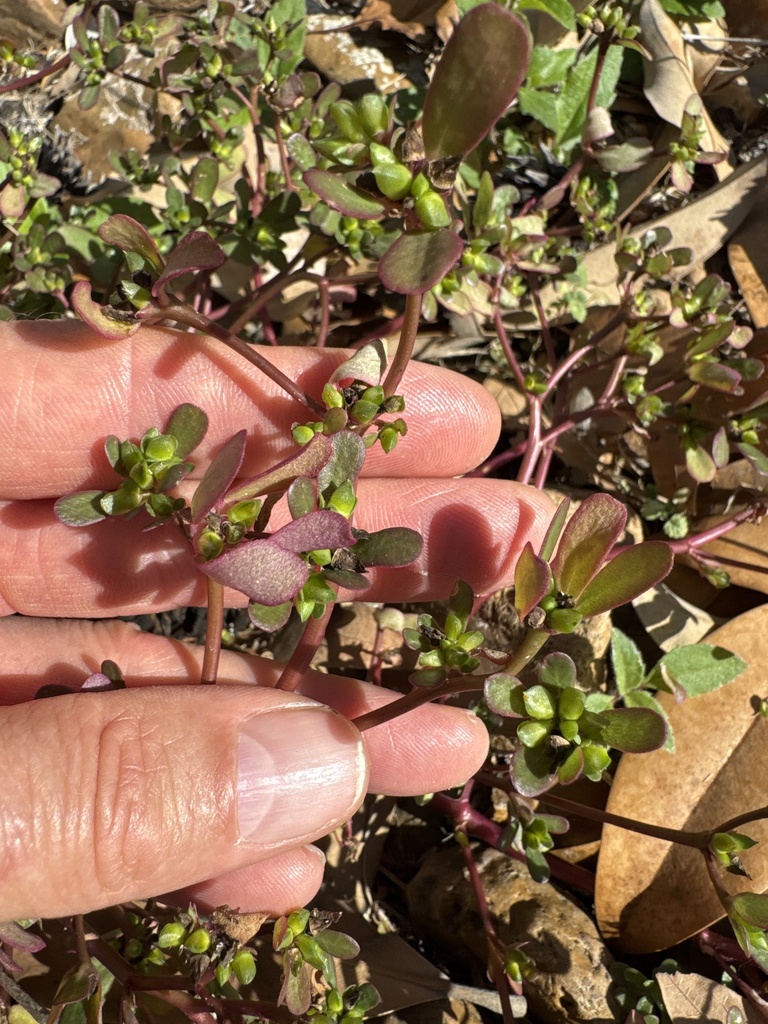
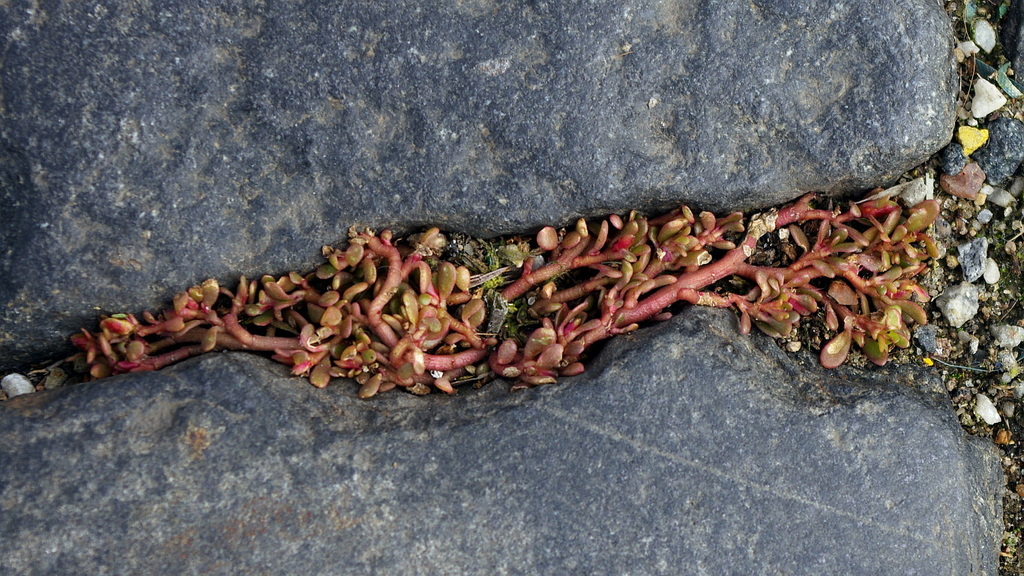
Le pourpier commun est une annuelle robuste et succulente qui prospère par temps chaud. On le trouve souvent poussant dans les parterres de jardin ou les fissures des trottoirs. Cette plante est comestible et très nutritive.
En un coup d'œil
- Niveau d'entretien
- Facile
- Type de plante
- Succulente annuelle
- Lumière
- Plein soleil
- Lumière en intérieur
- Soleil direct
- Arrosage
- Tous les 5 à 10 jours
- Taille adulte
- 15 cm de haut, 45 cm de large
- Croissance
- Rapide
- Rusticité
- USDA 2 à 11
- Floraison
- Fin du printemps au début de l'automne
Entretien
Donnez à cette plante beaucoup de soleil et un sol bien drainé pour qu'elle soit heureuse. Surveillez le flétrissement si le sol reste trop sec pendant une chaleur intense. Elle est très tolérante à la sécheresse une fois établie.
- Arrosage
- Arrosez lorsque le premier centimètre de terre au toucher semble sec. Gardez à l'esprit que le sol doit bien sécher entre les arrosages pour éviter que les racines ne pourrissent.
- Engrais
- Appliquez avec parcimonie un engrais liquide équilibré pendant la saison de croissance.
- Taille
- Pincez les tiges pour encourager une croissance plus touffue.
- Rempotage
- Rempotez annuellement si vous cultivez en conteneurs pour rafraîchir le sol.
- Sol
- Sol sableux, limoneux ou pauvre
- pH du sol
- 5.5 à 8.5
- Température
- 15 à 35°C
- Humidité
- 20 à 60%
- Résistance à la sécheresse
- Élevée
- Durée de vie
- Annuelle, termine son cycle de vie en une saison.
- Résistance aux chevreuils et lapins
- Moyenne
Signes qu'il faut rempoter
- Les racines sortent des trous de drainage.
- La croissance de la plante ralentit considérablement.
- Le sol sèche beaucoup plus rapidement que d'habitude.
Sécurité
- Humains
- La plante est généralement sans danger à consommer avec modération, mais elle contient des oxalates qui peuvent causer des problèmes aux personnes sensibles.
- Animaux
- Cette plante est considérée comme non toxique pour les chats et les chiens.
- Enfants
- Les jeunes enfants doivent être surveillés car les petites graines peuvent présenter un risque mineur d'étouffement si elles sont ingérées en grande quantité.
- Allergènes de contact
- Aucun irritant de contact spécifique n'est connu.
- Allergènes aéroportés
- Le pollen peut provoquer une légère irritation respiratoire chez les personnes très sensibles.
- Comestibilité
- Consultez un professionnel avant la consommation car des niveaux élevés d'oxalates peuvent être nocifs pour les personnes souffrant de calculs rénaux.
Comment l'identifier
- Feuilles charnues, lisses, en forme de pagaie
- Tiges rougeâtres, succulentes, rampantes
- Petites fleurs jaunes à cinq pétales
- Minuscules graines noires en forme de rein
- Hauteur
- 0,05 à 0,2m
- Envergure
- 0,15 à 0,45m
- Feuilles
- vert, verdâtre, caduc
- Fleurs
- jaune, 0,5 à 1cm
- Fruits
- brun, Été à automne
Problèmes à surveiller
- PuceronsCourant
- Rouille blancheCourant
- Limaces et escargotsPeu courant
- Pourriture des racinesPeu courant
Vérifie la santé de ta plante en photo
Pocket Botanist analyse une photo de ta plante et te dit ce qui ne va pas et quoi essayer en premier.
La cultiver
- Multiplication
- semis, boutures
- Quand planter
- printemps, été
- Hivernage
- Cette plante est annuelle et mourra au premier gel, alors récoltez les graines à la fin de l'été pour les replanter l'année suivante.
- En pot
- Elle pousse très bien dans des conteneurs peu profonds ou des paniers suspendus en raison de son petit système racinaire.
Semis
- 1. Saupoudrez les graines sur le dessus d'un sol humide et bien drainé.
- 2. Appuyez légèrement dessus sans les enterrer.
- 3. Gardez le sol légèrement humide jusqu'à la germination.
Utilisez cette plante comme couvre-sol vivant pour protéger l'humidité du sol dans les plates-bandes de jardin chaudes et ensoleillées.
Bonnes associations
Espèces similaires
- Portulaca — C'est un proche parent souvent cultivé pour ses fleurs voyantes et colorées.
Science
- Famille
- Portulacaceae
- Genre
- Portulaca
- Ordre
- Caryophyllales
- Classe
- Magnoliopsida
- Région d'origine
- Probablement l'Afrique du Nord et le Moyen-Orient, maintenant naturalisée dans le monde entier.
- Préservation
- Cette plante est considérée comme une mauvaise herbe répandue et ne suscite aucune préoccupation en matière de conservation.
Elle prospère dans les sols perturbés et les fissures du trottoir où d'autres plantes ont du mal à rivaliser.
- Intérêt pour la faune
- source de nectar
- Pollinisateurs
- abeilles, papillons
- Utilisations
- légumes verts culinaires, couvre-sol, herbe médicinale
Au fil des saisons
Repères écologiques
- Salinité
- 4/9
- Réaction du sol
- 6/9
- Lumière
- 8/9
- Température
- 7/9
- Humidité
- 3/9
- Nutriments
- 5/9
Taxonomie vérifiée avec le GBIF.
Ce qu'on demande souvent
- Le pourpier est-il une mauvaise herbe?
- Il est souvent traité comme une mauvaise herbe dans les jardins, mais c'est aussi une plante comestible très nutritive.
- A-t-il besoin de beaucoup d'eau?
- Non, il est très tolérant à la sécheresse et préfère sécher entre les arrosages.
D'où vient le nom
Le nom oleracea signifie potager en latin, faisant référence à son histoire en tant que plante alimentaire cultivée.
Bon à savoir
- Elle est connue comme une plante succulente car elle stocke l'eau dans ses feuilles.
- La plante peut survivre à une chaleur et à une sécheresse extrêmes.
- Elle est souvent considérée comme une mauvaise herbe dans les jardins malgré sa valeur nutritionnelle.
- Les graines peuvent rester viables dans le sol pendant des décennies.
Aussi dans
Garde ta plante en pleine forme
Cette page est un guide général. Enregistre ta plante dans Pocket Botanist et tu reçois des rappels d'entretien adaptés à cette plante, ainsi qu'un historique d'entretien qui montre ce qui a marché.
Ce guide a été généré par IA et vérifié avec la taxonomie du GBIF. Il s'agit d'informations générales, et non de conseils horticoles ou vétérinaires. Découvre comment nous concevons ces guides.