 Pocket Botanist
Pflanzenratgeber
Zinnia.
Zinnia elegans
Aussprache ZIN-ee-uh EL-eh-ganz
Auch bekannt als Common zinnia, Young's helleborine, Youth-and-age, elegant zinnia, garden zinnia, youth-and-old-age



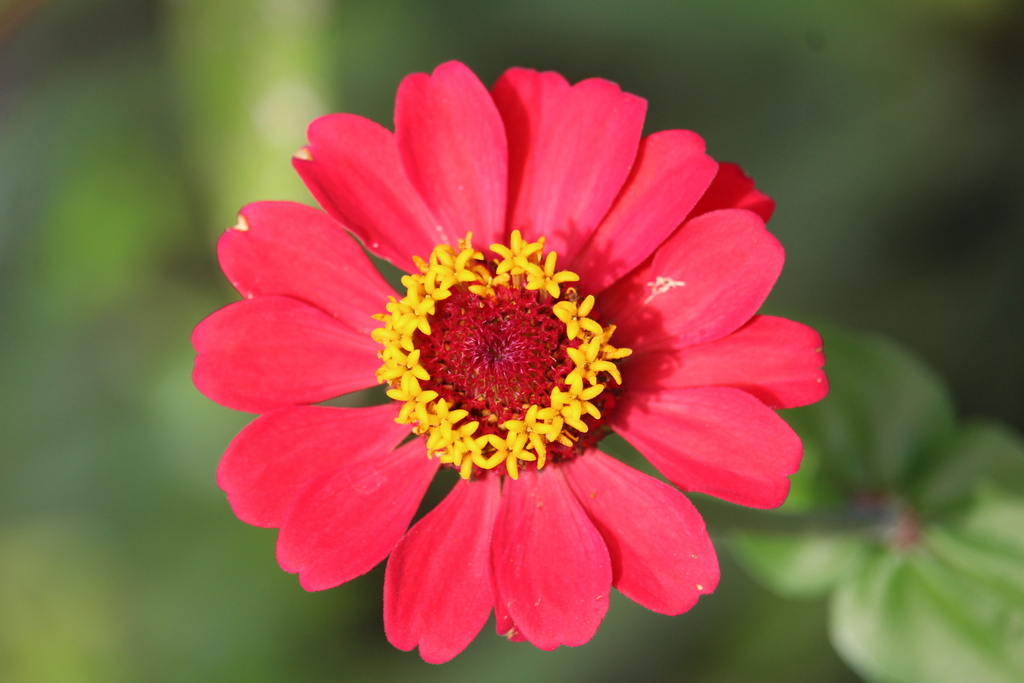
Zinnias are cheerful, sun loving annuals that bring a burst of color to any garden. They are incredibly easy to grow from seed and bloom continuously until the first frost. You will love how they attract butterflies and pollinators to your yard.
Auf einen Blick
- Pflegestufe
- Einfach
- Pflanzenart
- Annual
- Licht
- Full sun
- Licht im Innenraum
- Direkte Sonne
- Gießen
- Alle 3 bis 7 Tage
- Endgröße
- 1 to 3 feet
- Wachstum
- Schnell
- Winterhärte
- USDA 2 bis 11
- Blütezeit
- Early summer to first frost
Pflege
Plant these in a spot with plenty of sunlight and good air circulation to keep powdery mildew away. Deadhead spent blooms regularly to encourage the plant to keep producing new flowers. Watch for yellowing leaves which can indicate overwatering or poor drainage.
- Gießen
- Water at the base of the plant to keep the foliage dry and prevent fungal issues.
- Düngen
- Apply a balanced liquid fertilizer once a month to support heavy blooming.
- Schneiden
- Pinch off faded flowers to keep the plant tidy and promote more growth.
- Umtopfen
- As annuals, these are typically grown in the ground and do not require repotting.
- Boden
- Well draining fertile soil
- Boden-pH
- 6.0 to 7.5
- Temperatur
- 10 bis 35°C
- Luftfeuchtigkeit
- 40 bis 60%
- Trockenheitstoleranz
- Mittel
- Lebensdauer
- Annual, completes its life cycle in one season.
- Wildverbiss-Resistenz
- Mittel
Anzeichen fürs Umtopfen
- Roots growing out of the drainage holes.
- Water running straight through the pot without soaking in.
Sicherheit
- Menschen
- This plant is non toxic to humans.
- Kinder
- The stems are somewhat brittle, but there are no specific ingestion or handling hazards for children.
- Kontaktallergene
- The rough, hairy leaves can cause mild skin irritation in sensitive individuals.
- Allergene in der Luft
- The pollen can trigger mild reactions in those with severe seasonal allergies.
- Essbarkeit
- While not toxic, these are grown for ornament and may be treated with pesticides.
So erkennst du die Pflanze
- Brightly colored daisy like flower heads
- Opposite lance shaped or oval leaves
- Sturdy upright branching stems
- Rough textured foliage
- Höhe
- 0,3 bis 1m
- Breite
- 0,2 bis 0,45m
- Blätter
- green, deciduous
- Blüten
- red, pink, orange, yellow, white, purple, 3 bis 12cm
Häufige Probleme
- Powdery Mildew — A white fungal growth on leaves caused by high humidity and poor air circulation.
Standort und Pflege
- Vermehrung
- seed
- Pflanzzeit
- spring
- Überwinterung
- These are annuals and will die with the first frost, so simply remove the spent plants from the garden.
- Im Kübel
- They grow very well in pots, provided the container is at least 25 centimeters deep.
Direct Sowing
- Wait until the soil is warm in spring.
- Sow seeds 0.5 centimeters deep.
- Keep soil moist until germination.
Plant them in groups to create a dense display that shades out weeds.
Gute Pflanzpartner
- Garden cosmos — They share similar light and water needs and look beautiful together.
- Tagetes — These make a classic, colorful pairing in summer borders.
Ähnliche Arten
- Zinnia haageana — It is a smaller, more compact relative with similar cultural requirements.
Botanisches
- Familie
- Asteraceae
- Gattung
- Zinnia
- Ordnung
- Asterales
- Klasse
- Magnoliopsida
- Ursprüngliche Heimat
- Mexico and Central America
- Artenschutz
- This plant is common and not of conservation concern.
It thrives in open, sunny areas where it can quickly establish itself during the warm season.
- Nutzen für Wildtiere
- nectar source
- Bestäuber
- Bienen, Schmetterlinge, Kolibris
- Verwendung
- cut flowers, pollinator gardens, bedding plants
Im Jahresverlauf
Ökologische Zeigerwerte
- Salzgehalt
- 2/9
- Bodenreaktion
- 6/9
- Licht
- 8/9
- Temperatur
- 7/9
- Feuchtigkeit
- 5/9
- Nährstoffe
- 6/9
Taxonomie abgeglichen mit GBIF.
Häufige Fragen
- Do I need to deadhead my zinnias?
- Yes, removing faded flowers helps the plant focus energy on producing new buds.
- Can I grow zinnias in pots?
- Absolutely, they thrive in containers as long as they have good drainage.
Woher der Name kommt
The genus name honors Johann Gottfried Zinn, who brought the plant to Europe. The species name elegans refers to the elegant appearance of the blooms.
Gut zu wissen
- Zinnias are members of the Asteraceae family, related to sunflowers.
- They were named after the German botanist Johann Gottfried Zinn.
- Cutting the flowers encourages the plant to produce more blooms.
Probleme mit Zinnia?
Diese Seite bietet allgemeine Infos. Pocket Botanist erkennt Probleme anhand eines Fotos deiner echten Pflanze, passt das Gießen an dein Licht und deinen Standort an und erinnert dich an die Pflege.
Dieser Ratgeber wurde mit KI erstellt und mit der GBIF-Taxonomie abgeglichen. Er dient zur allgemeinen Information und ersetzt keine gärtnerische oder tierärztliche Beratung. Hier erfährst du, wie wir diese Ratgeber erstellen.