 Pocket Botanist
Pflanzenratgeber
Garden cosmos.
Cosmos bipinnatus
Aussprache KOS-mos bi-pin-NAY-tus
Auch bekannt als Common cosmos, Garden cosmos, Mexican Aster, Mexican-aster, annual cosmos, cosmos


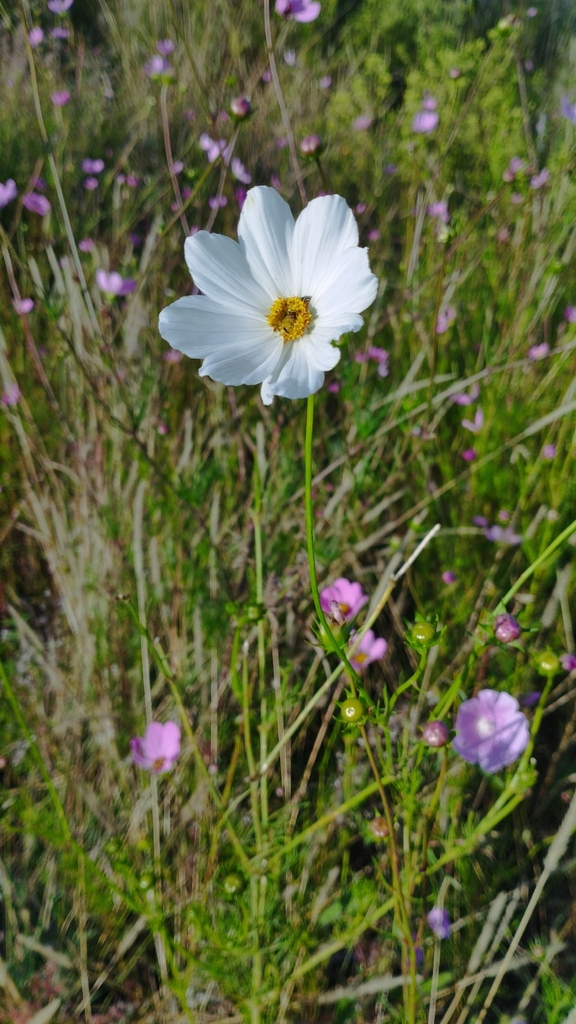
Cosmos are cheerful, daisy like flowers that bring a splash of color to any sunny garden. They are incredibly easy to grow from seed and attract plenty of pollinators. You will love how they keep blooming all summer long.

Auf einen Blick
- Pflegestufe
- Einfach
- Pflanzenart
- Annual
- Licht
- Full sun
- Licht im Innenraum
- Direkte Sonne
- Gießen
- Alle 3 bis 7 Tage
- Endgröße
- 3 to 5 feet
- Wachstum
- Schnell
- Winterhärte
- USDA 2 bis 11
- Blütezeit
- Mid summer to first frost
Pflege
Plant these in a spot that gets plenty of sun and keep the soil moderately moist while they get established. Deadhead the spent blooms to encourage the plant to keep producing new flowers throughout the season. Watch for aphids if the weather gets particularly hot and dry.
- Gießen
- Water when the top inch of soil feels dry to the touch.
- Düngen
- Avoid over fertilizing, as too much food leads to lush leaves but fewer flowers.
- Schneiden
- Regularly pinch back stems and remove faded flowers to promote bushier growth.
- Umtopfen
- As annuals, these are typically grown in the ground and do not require repotting.
- Boden
- Well draining, average soil
- Boden-pH
- 6.0 to 8.5
- Temperatur
- 10 bis 35°C
- Luftfeuchtigkeit
- 30 bis 60%
- Trockenheitstoleranz
- Hoch
- Lebensdauer
- Annual, completes its life cycle in one season.
- Wildverbiss-Resistenz
- Mittel
Anzeichen fürs Umtopfen
- Roots growing out of the drainage holes.
- Plant wilting quickly even when watered.
- Stunted growth during the peak season.
Sicherheit
- Menschen
- Cosmos bipinnatus is not considered toxic to humans.
- Kinder
- The seeds are small and could pose a choking hazard if ingested by very young children.
- Kontaktallergene
- Some people may experience mild skin irritation from handling the foliage.
- Allergene in der Luft
- The pollen can trigger mild reactions in sensitive individuals during peak bloom.
- Essbarkeit
- While the flowers are generally considered edible, ensure they are grown without synthetic pesticides.
So erkennst du die Pflanze
- Feathery, fern like foliage
- Daisy shaped flower heads
- Long, slender stems
- Brightly colored petals
- Yellow central disk florets
- Höhe
- 0,6 bis 1,8m
- Breite
- 0,3 bis 0,9m
- Blätter
- bright green, deciduous
- Blüten
- pink, white, red, magenta, 5 bis 10cm
Häufige Probleme
- Aphids — Small sap sucking insects that cluster on tender new growth.
- Powdery mildew — A fungal infection that creates a white dusty coating on leaves.
Standort und Pflege
- Vermehrung
- seed
- Pflanzzeit
- spring
- Überwinterung
- They are annuals and will die with the first hard frost, so you can simply pull them up and compost them in late autumn.
- Im Kübel
- They grow well in large containers, provided the pot has excellent drainage and is at least 30 centimeters deep.
Direct Sowing
- 1. Wait until the soil has warmed up in late spring.
- 2. Scatter seeds over well drained soil in a sunny spot.
- 3. Lightly cover with a thin layer of soil as they need some light to germinate.
- 4. Keep the area moist until seedlings appear.
Plant them in groups to provide a landing pad for pollinators and to help support each other against strong winds.
Gute Pflanzpartner
- Zinnia — They share similar sun and water requirements for a vibrant summer display.
- Sonnenblume — Both plants thrive in full sun and create a classic cottage garden look.
Ähnliche Arten
- Cosmos sulphureus — It offers similar growth habits but features warmer yellow and orange tones.
Botanisches
- Familie
- Asteraceae
- Gattung
- Cosmos
- Ordnung
- Asterales
- Klasse
- Magnoliopsida
- Ursprüngliche Heimat
- Mexico and parts of Central America.
- Artenschutz
- This plant is common and not of conservation concern.
It grows in open, sunny meadows where its rapid growth allows it to outcompete other annuals.
- Nutzen für Wildtiere
- nectar source, attracts beneficial insects
- Bestäuber
- Bienen, Schmetterlinge
- Verwendung
- cut flowers, pollinator gardens, meadow plantings, annual borders
Im Jahresverlauf
Ökologische Zeigerwerte
- Salzgehalt
- 2/9
- Bodenreaktion
- 6/9
- Licht
- 8/9
- Temperatur
- 7/9
- Feuchtigkeit
- 3/9
- Nährstoffe
- 2/9
Taxonomie abgeglichen mit GBIF.
Häufige Fragen
- Do I need to fertilize my cosmos?
- No, they actually prefer poor soil and will produce more foliage than flowers if fed too much.
- How often should I water them?
- Once established, they are quite drought tolerant and only need water during extended dry spells.
Woher der Name kommt
The genus name Cosmos refers to the orderly arrangement of the petals, while bipinnatus describes the twice divided, feathery leaves.
Gut zu wissen
- The name comes from the Greek word kosmos, meaning beautiful or orderly.
- They are native to Mexico and thrive in warm, sunny spots.
- Deadheading spent blooms encourages the plant to produce more flowers.
- They are excellent for beginners because they germinate quickly.
Auch in
Probleme mit Garden cosmos?
Diese Seite bietet allgemeine Infos. Pocket Botanist erkennt Probleme anhand eines Fotos deiner echten Pflanze, passt das Gießen an dein Licht und deinen Standort an und erinnert dich an die Pflege.
Dieser Ratgeber wurde mit KI erstellt und mit der GBIF-Taxonomie abgeglichen. Er dient zur allgemeinen Information und ersetzt keine gärtnerische oder tierärztliche Beratung. Hier erfährst du, wie wir diese Ratgeber erstellen.