 Pocket Botanist
Plant guide
Sunflower.
Helianthus annuus L.
Pronounced hee-lee-AN-thus AN-yoo-us
Also known as Annual Sunflower, Common Sunflower, Mirasol, Ornamental Sunflower


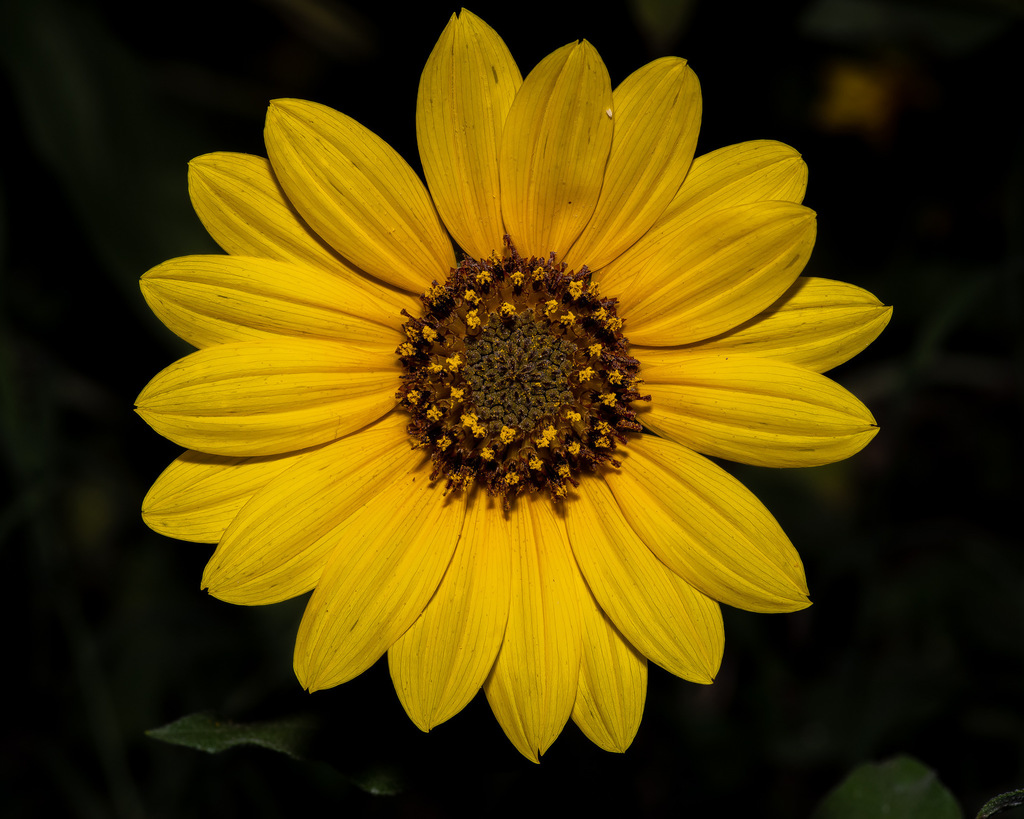
Sunflowers are cheerful, fast growing annuals that bring a touch of summer to any garden. They are famous for their giant, sun seeking blooms that follow the light throughout the day. These plants are a favorite for pollinators and provide a great harvest of seeds.

At a glance
- Care level
- Easy
- Plant type
- Annual
- Light
- Full sun
- Indoor light
- Direct sun
- Water
- Every 2 to 4 days
- Mature size
- 3 to 10 feet
- Growth rate
- Fast
- Hardiness
- USDA 2 to 11
- Bloom time
- Mid summer to early autumn
Care
Plant these in a spot that gets plenty of sun to keep their stems strong. Keep an eye out for drooping leaves, which usually mean they need a good drink. Stake the taller varieties so they don't tip over in the wind.
- Watering
- Water deeply at the base whenever the top inch of soil feels dry.
- Feeding
- Apply a balanced liquid fertilizer once a month during the growing season.
- Pruning
- Remove spent blooms to keep the plant looking tidy.
- Repotting
- Sunflowers are annuals and do not require repotting.
- Soil
- Well draining, fertile soil
- Soil pH
- 6.0 to 7.5
- Temperature
- 10 to 35°C
- Humidity
- 30 to 70%
- Drought tolerance
- Moderate
- Lifespan
- Annual, completes life cycle in one season.
- Deer and rabbits
- Low
Signs it needs repotting
- Roots growing out of drainage holes.
- Plant dries out very quickly after watering.
Safety
- People
- The plant is non-toxic to humans.
- Children
- The large, heavy seed heads can be a physical hazard if they fall on small children.
- Contact allergens
- Some people may experience mild skin irritation from the rough hairs on the stems and leaves.
- Airborne allergens
- Sunflower pollen can trigger hay fever in sensitive individuals during the peak flowering season.
- Edibility
- Ensure seeds are not treated with pesticides or fungicides before consumption.
How to identify it
- Large, daisy like flower heads
- Tall, thick, hairy stalks
- Broad, heart shaped green leaves
- Dark, seed filled central disk
- Height
- 0.6 to 3m
- Spread
- 0.3 to 0.9m
- Leaves
- green, deciduous
- Flowers
- yellow, brown, 10 to 30cm
- Fruit
- black, grey, white, Autumn
Problems to watch for
- AphidsCommon
- Powdery MildewCommon
- RustCommon
- Sunflower MothCommon
- CutwormsUncommon
- Sclerotinia RotUncommon
- Stem BorersUncommon
- Tarnished Plant BugUncommon
Check your sunflower from a photo
Pocket Botanist looks at a photo of your plant and tells you what's wrong and what to try first.
Growing it
- Propagation
- seed
- When to plant
- Spring
- Overwintering
- Sunflowers are annuals and will die after the first hard frost. Remove and compost the stalks once they turn brown to keep the garden tidy.
- In containers
- Dwarf varieties grow well in pots at least 30 centimeters deep.
Direct Sowing
- Wait until the soil is warm in spring.
- Poke a hole 2 centimeters deep in the soil.
- Place one seed in the hole and cover with soil.
- Water gently and keep moist until germination.
Plant sunflowers on the north side of your garden to avoid shading shorter crops.
Grows well with
Keep away from
- Potato — Sunflowers produce allelopathic chemicals that can inhibit potato growth.
Similar species
- Jerusalem Artichoke — A perennial relative grown for its edible tubers.
Science
- Family
- Asteraceae
- Genus
- Helianthus
- Order
- Asterales
- Class
- Magnoliopsida
- Native range
- North America
- Conservation
- Not of conservation concern as it is widely cultivated and naturalized.
It thrives in open, sunny fields where it outcompetes other plants for light and space.
- Value to wildlife
- nectar source, seed source for birds
- Pollinators
- bees, butterflies, beetles
- Uses
- ornamental, culinary seeds, bird feed, cut flowers
Through the year
Ecological indicators
- Soil reaction
- 6/9
- Nutrients
- 6/9
- Salinity
- 2/9
- Temperature
- 7/9
- Moisture
- 5/9
- Light
- 8/9
Taxonomy resolved against GBIF.
Questions people ask
- Do sunflowers always face the sun?
- Only young buds track the sun; mature flowers generally face east.
- Can I grow them in pots?
- Yes, dwarf varieties perform well in large containers.
Where the name comes from
The genus name Helianthus comes from the Greek words helios meaning sun and anthos meaning flower. The species name annuus means annual, reflecting its one year life cycle.
Good to know
- Sunflowers were domesticated by Native Americans thousands of years ago.
- The tallest sunflower on record reached over 9 meters.
- Sunflowers are used in phytoremediation to extract toxins from soil.
Keep your sunflower growing
This page is a general guide. Save your plant in Pocket Botanist and you get care reminders timed for this plant, plus a care history that shows what worked.
This guide was generated with AI and checked against GBIF taxonomy. It is general information, not horticultural or veterinary advice. Read about how we build these guides.