 Pocket Botanist
Guía de plantas
Girasol.
Helianthus annuus L.
Pronunciación hee-lee-AN-thus AN-yoo-us
También se conoce como Girasol anual, Girasol común, Mirasol, Girasol ornamental


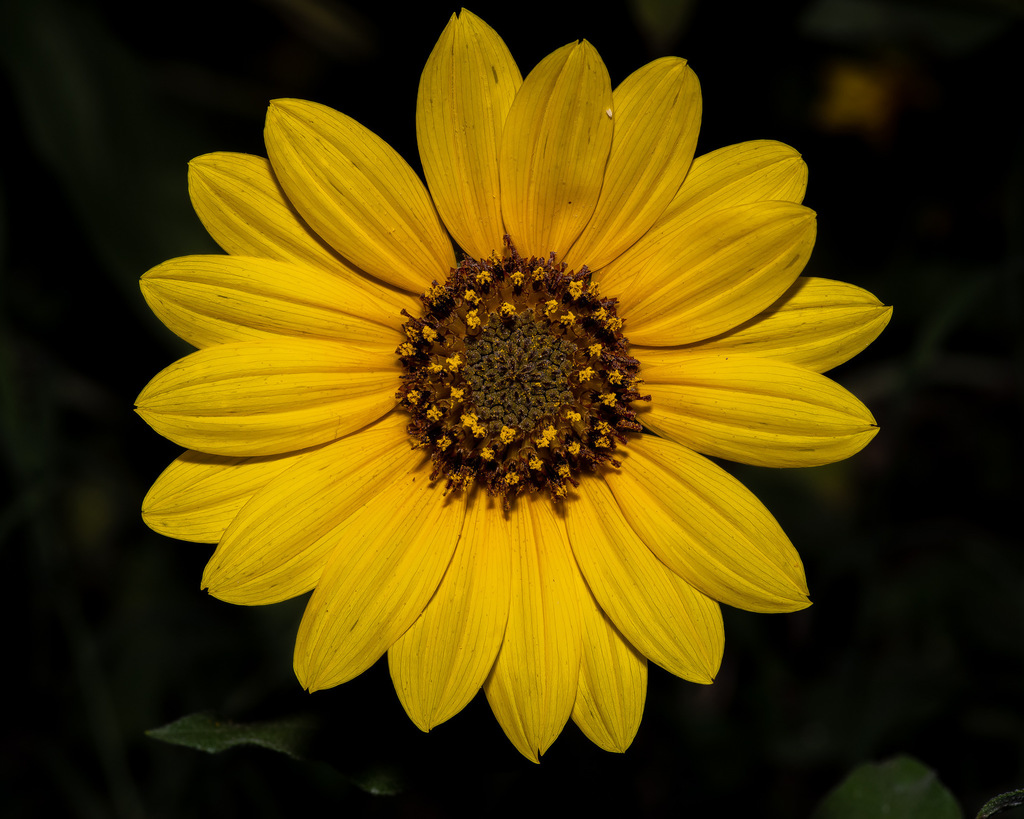
Los girasoles son anuales alegres y de rápido crecimiento que aportan un toque de verano a cualquier jardín. Son famosos por sus enormes flores que buscan el sol y siguen la luz durante todo el día. Estas plantas son las favoritas de los polinizadores y proporcionan una gran cosecha de semillas.

De un vistazo
- Nivel de cuidados
- Fácil
- Tipo de planta
- Anual
- Luz
- Pleno sol
- Luz en interior
- Sol directo
- Riego
- Cada 2 a 4 días
- Tamaño adulto
- 3 a 10 pies
- Ritmo de crecimiento
- Rápido
- Rusticidad
- USDA 2 a 11
- Floración
- Mediados de verano a principios de otoño
Cuidados
Planta estos en un lugar que reciba mucho sol para mantener sus tallos fuertes. Estate atento a las hojas caídas, que normalmente significan que necesitan un buen trago. Entutora las variedades más altas para que no se caigan con el viento.
- Riego
- Riega profundamente en la base cada vez que la pulgada superior de tierra se sienta seca.
- Abonado
- Aplica un fertilizante líquido equilibrado una vez al mes durante la temporada de crecimiento.
- Poda
- Retira las flores marchitas para mantener la planta arreglada.
- Trasplante
- Los girasoles son anuales y no requieren trasplante.
- Suelo
- Suelo fértil y bien drenado
- pH del suelo
- 6.0 a 7.5
- Temperatura
- 10 a 35°C
- Humedad
- 30 a 70%
- Tolerancia a la sequía
- Moderada
- Longevidad
- Anual, completa su ciclo de vida en una temporada.
- Resistencia a ciervos y conejos
- Baja
Señales de que necesita trasplante
- Raíces que crecen fuera de los agujeros de drenaje.
- La planta se seca muy rápido después de regarla.
Seguridad
- Personas
- La planta no es tóxica para los humanos.
- Mascotas
- Los girasoles no son tóxicos para gatos y perros.
- Niños
- Las cabezas de semillas grandes y pesadas pueden ser un peligro físico si caen sobre niños pequeños.
- Alérgenos por contacto
- Algunas personas pueden experimentar irritación leve de la piel por los pelos ásperos en los tallos y las hojas.
- Alérgenos en el aire
- El polen de girasol puede desencadenar fiebre del heno en personas sensibles durante la temporada alta de floración.
- Comestibilidad
- Asegúrese de que las semillas no estén tratadas con pesticidas o fungicidas antes de consumirlas.
Cómo identificarla
- Cabezas de flores grandes, parecidas a margaritas
- Tallos altos, gruesos y peludos
- Hojas verdes anchas y en forma de corazón
- Disco central oscuro, lleno de semillas
- Altura
- 0,6 a 3m
- Anchura
- 0,3 a 0,9m
- Hojas
- verde, caducifolio
- Flores
- amarillo, marrón, 10 a 30cm
- Frutos
- negro, gris, blanco, Otoño
Problemas a vigilar
- OídioComún
- Polilla del girasolComún
- PulgonesComún
- RoyaComún
- Barrenadores del talloPoco común
- Chinche LygusPoco común
- EsclerotiniosisPoco común
- Gusanos grisesPoco común
Por síntoma
Revisa tu girasol con una foto
Pocket Botanist mira una foto de tu planta y te dice qué le pasa y qué probar primero.
Cómo cultivarla
- Propagación
- semilla
- Cuándo plantar
- Primavera
- Cuidados en invierno
- Los girasoles son anuales y morirán después de la primera helada fuerte. Retire y composta los tallos una vez que se pongan marrones para mantener el jardín ordenado.
- En maceta
- Las variedades enanas crecen bien en macetas de al menos 30 centímetros de profundidad.
Siembra Directa
- Espera hasta que la tierra esté tibia en primavera.
- Haz un agujero de 2 centímetros de profundidad en la tierra.
- Coloca una semilla en el agujero y cúbrela con tierra.
- Riega suavemente y mantén húmedo hasta la germinación.
Plante girasoles en el lado norte de su jardín para evitar dar sombra a cultivos más bajos.
Buenas compañeras
Mantenla lejos de
- Papa — Los girasoles producen químicos alelopáticos que pueden inhibir el crecimiento de las papas.
Especies parecidas
- Tupinambo — Un pariente perenne cultivado por sus tubérculos comestibles.
Ciencia
- Familia
- Asteraceae
- Género
- Helianthus
- Orden
- Asterales
- Clase
- Magnoliopsida
- Distribución natural
- América del Norte
- Conservación
- No es de preocupación de conservación ya que está ampliamente cultivado y naturalizado.
Prospera en campos abiertos y soleados donde compite con otras plantas por luz y espacio.
- Valor para la fauna
- fuente de néctar, fuente de semillas para pájaros
- Polinizadores
- abejas, mariposas, escarabajos
- Usos
- ornamental, semillas culinarias, alimento para pájaros, flores de corte
A lo largo del año
Indicadores ecológicos
- Reacción del suelo
- 6/9
- Nutrientes
- 6/9
- Salinidad
- 2/9
- Temperatura
- 7/9
- Humedad
- 5/9
- Luz
- 8/9
Taxonomía cotejada con GBIF.
Lo que más preguntan
- ¿Siempre miran los girasoles al sol?
- Solo los capullos jóvenes siguen al sol; las flores maduras generalmente miran hacia el este.
- ¿Puedo cultivarlos en macetas?
- Sí, las variedades enanas se desarrollan bien en contenedores grandes.
De dónde viene el nombre
El nombre del género Helianthus proviene de las palabras griegas helios que significa sol y anthos que significa flor. El nombre de la especie annuus significa anual, reflejando su ciclo de vida de un año.
Bueno saberlo
- Los girasoles fueron domesticados por los nativos americanos hace miles de años.
- El girasol más alto registrado alcanzó más de 9 metros.
- Los girasoles se utilizan en fitoremediación para extraer toxinas del suelo.
Que tu girasol siga creciendo
Esta página es una guía general. Guarda tu planta en Pocket Botanist y tendrás recordatorios de cuidado pensados para esta planta, además de un historial de cuidados que muestra qué ha funcionado.
Esta guía se ha generado con IA y se ha cotejado con la taxonomía de GBIF. Es información general, no asesoramiento botánico ni veterinario. Descubre cómo elaboramos estas guías.