 Pocket Botanist
Guide botanique
Tournesol.
Helianthus annuus L.
Prononciation hee-lee-AN-thus AN-yoo-us
Aussi appelée Tournesol annuel, Tournesol commun, Mirasol, Tournesol d'ornement


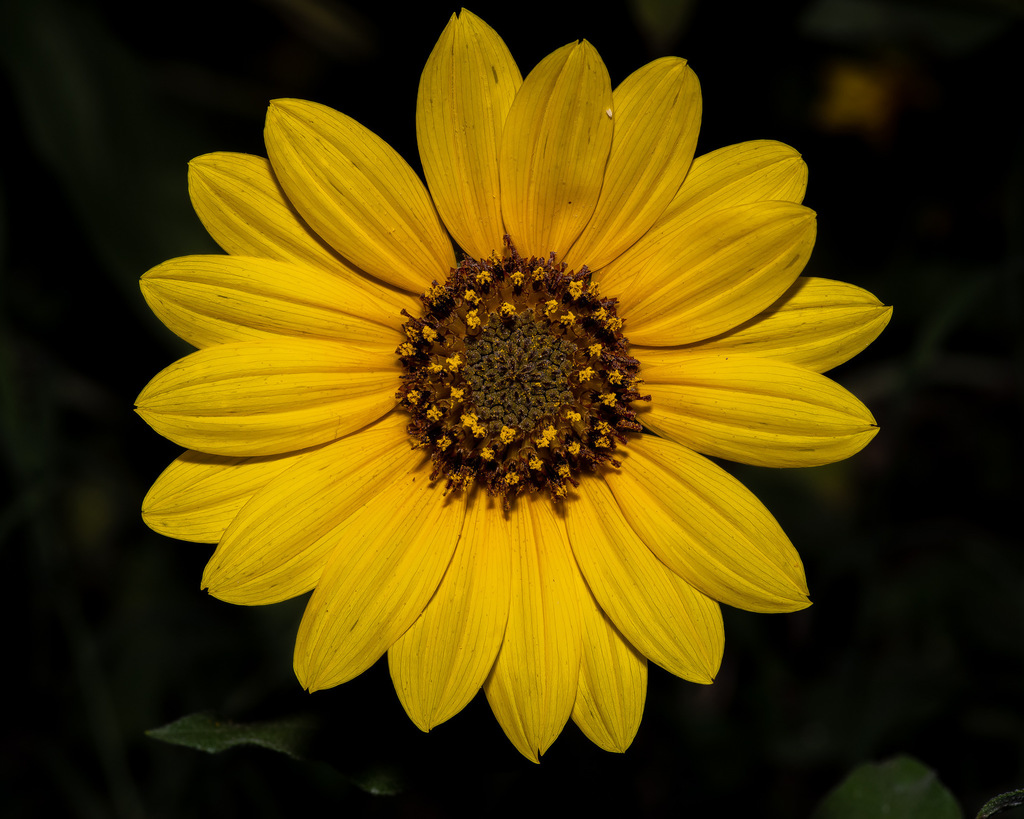
Les tournesols sont des annuelles joyeuses et à croissance rapide qui apportent une touche d'été à n'importe quel jardin. Ils sont célèbres pour leurs fleurs géantes qui recherchent le soleil et suivent la lumière tout au long de la journée. Ces plantes sont un favori des pollinisateurs et offrent une belle récolte de graines.

En un coup d'œil
- Niveau d'entretien
- Facile
- Type de plante
- Annuelle
- Lumière
- Plein soleil
- Lumière en intérieur
- Soleil direct
- Arrosage
- Tous les 2 à 4 jours
- Taille adulte
- 3 à 10 pieds
- Croissance
- Rapide
- Rusticité
- USDA 2 à 11
- Floraison
- Milieu de l'été au début de l'automne
Entretien
Plantez-les dans un endroit qui reçoit beaucoup de soleil pour que leurs tiges restent solides. Gardez un œil sur les feuilles tombantes, qui indiquent généralement qu'elles ont besoin d'une bonne boisson. Tuteurez les variétés plus grandes pour qu'elles ne basculent pas dans le vent.
- Arrosage
- Arrosez profondément à la base chaque fois que le premier pouce de terre semble sec.
- Engrais
- Appliquez un engrais liquide équilibré une fois par mois pendant la saison de croissance.
- Taille
- Retirez les fleurs fanées pour que la plante reste soignée.
- Rempotage
- Les tournesols sont des annuelles et ne nécessitent pas de rempotage.
- Sol
- Sol bien drainé et fertile
- pH du sol
- 6,0 à 7,5
- Température
- 10 à 35°C
- Humidité
- 30 à 70%
- Résistance à la sécheresse
- Moyenne
- Durée de vie
- Annuel, achève son cycle de vie en une saison.
- Résistance aux chevreuils et lapins
- Faible
Signes qu'il faut rempoter
- Les racines sortent des trous de drainage.
- La plante se dessèche très rapidement après l'arrosage.
Sécurité
- Humains
- La plante est non toxique pour l'homme.
- Animaux
- Les tournesols ne sont pas toxiques pour les chats et les chiens.
- Enfants
- Les grosses têtes de graines lourdes peuvent présenter un danger physique si elles tombent sur de jeunes enfants.
- Allergènes de contact
- Certaines personnes peuvent ressentir une légère irritation cutanée due aux poils rugueux des tiges et des feuilles.
- Allergènes aéroportés
- Le pollen de tournesol peut déclencher le rhume des foins chez les personnes sensibles pendant la saison de floraison maximale.
- Comestibilité
- Assurez-vous que les graines ne sont pas traitées avec des pesticides ou des fongicides avant la consommation.
Comment l'identifier
- Grandes têtes florales ressemblant à des marges
- Tiges hautes, épaisses et poilues
- Larges feuilles vertes en forme de cœur
- Disque central sombre rempli de graines
- Hauteur
- 0,6 à 3m
- Envergure
- 0,3 à 0,9m
- Feuilles
- vert, caduc
- Fleurs
- jaune, brun, 10 à 30cm
- Fruits
- noir, gris, blanc, Automne
Problèmes à surveiller
- OïdiumCourant
- PuceronsCourant
- Pyrale du tournesolCourant
- RouilleCourant
- Foreurs des tigesPeu courant
- Punaise ternePeu courant
- SclérotiniosePeu courant
- Vers grisPeu courant
- Mildiou poudreux — Une croissance fongique blanche sur les feuilles causée par une humidité élevée et une mauvaise circulation de l'air.
- Phalène du tournesol — Les larves pénètrent dans la tête florale et se nourrissent des graines en développement.
Par symptôme
Vérifie la santé de ta plante en photo
Pocket Botanist analyse une photo de ta plante et te dit ce qui ne va pas et quoi essayer en premier.
La cultiver
- Multiplication
- semence
- Quand planter
- Printemps
- Hivernage
- Les tournesols sont annuels et meurent après le premier gel sévère. Retirez et compostez les tiges une fois qu'elles brunissent pour garder le jardin bien rangé.
- En pot
- Les variétés naines poussent bien dans des pots d'au moins 30 centimètres de profondeur.
Semis direct
- Attendez que le sol soit chaud au printemps.
- Creusez un trou de 2 centimètres de profondeur dans le sol.
- Placez une graine dans le trou et recouvrez de terre.
- Arrosez doucement et gardez humide jusqu'à la germination.
Plantez des tournesols du côté nord de votre jardin pour éviter de faire de l'ombre aux cultures plus courtes.
Bonnes associations
À éloigner de
- Pomme de terre — Les tournesols produisent des produits chimiques allélopathiques qui peuvent inhiber la croissance des pommes de terre.
Espèces similaires
- Topinambour — Un parent vivace cultivé pour ses tubercules comestibles.
Science
- Famille
- Asteraceae
- Genre
- Helianthus
- Ordre
- Asterales
- Classe
- Magnoliopsida
- Région d'origine
- Amérique du Nord
- Préservation
- Pas une préoccupation de conservation car il est largement cultivé et naturalisé.
Il prospère dans les champs ouverts et ensoleillés où il concurrence d'autres plantes pour la lumière et l'espace.
- Intérêt pour la faune
- source de nectar, source de graines pour les oiseaux
- Pollinisateurs
- abeilles, papillons, coléoptères
- Utilisations
- ornemental, graines culinaires, nourriture pour oiseaux, fleurs coupées
Au fil des saisons
Repères écologiques
- Réaction du sol
- 6/9
- Nutriments
- 6/9
- Salinité
- 2/9
- Température
- 7/9
- Humidité
- 5/9
- Lumière
- 8/9
Taxonomie vérifiée avec le GBIF.
Ce qu'on demande souvent
- Les tournesols font-ils toujours face au soleil ?
- Seuls les jeunes bourgeons suivent le soleil; les fleurs matures font généralement face à l'est.
- Puis-je les cultiver en pots ?
- Oui, les variétés naines se comportent bien dans de grands conteneurs.
D'où vient le nom
Le nom du genre Helianthus vient des mots grecs helios signifiant soleil et anthos signifiant fleur. Le nom de l'espèce annuus signifie annuel, reflétant son cycle de vie d'un an.
Bon à savoir
- Les tournesols ont été domestiqués par les Amérindiens il y a des milliers d'années.
- Le tournesol le plus grand jamais enregistré a atteint plus de 9 mètres.
- Les tournesols sont utilisés en phytoremédiation pour extraire les toxines du sol.
Garde ta plante en pleine forme
Cette page est un guide général. Enregistre ta plante dans Pocket Botanist et tu reçois des rappels d'entretien adaptés à cette plante, ainsi qu'un historique d'entretien qui montre ce qui a marché.
Ce guide a été généré par IA et vérifié avec la taxonomie du GBIF. Il s'agit d'informations générales, et non de conseils horticoles ou vétérinaires. Découvre comment nous concevons ces guides.