 Pocket Botanist
Guía de plantas
Garden cosmos.
Cosmos bipinnatus
Pronunciación KOS-mos bi-pin-NAY-tus
También se conoce como Common cosmos, Garden cosmos, Mexican Aster, Mexican-aster, annual cosmos, cosmos


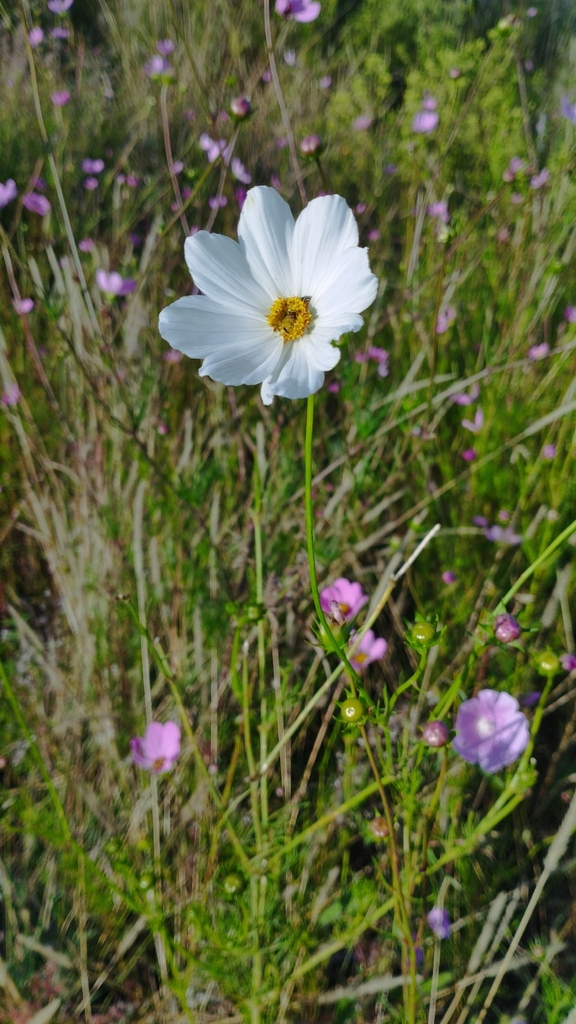
Cosmos are cheerful, daisy like flowers that bring a splash of color to any sunny garden. They are incredibly easy to grow from seed and attract plenty of pollinators. You will love how they keep blooming all summer long.

De un vistazo
- Nivel de cuidados
- Fácil
- Tipo de planta
- Annual
- Luz
- Full sun
- Luz en interior
- Sol directo
- Riego
- Cada 3 a 7 días
- Tamaño adulto
- 3 to 5 feet
- Ritmo de crecimiento
- Rápido
- Rusticidad
- USDA 2 a 11
- Floración
- Mid summer to first frost
Cuidados
Plant these in a spot that gets plenty of sun and keep the soil moderately moist while they get established. Deadhead the spent blooms to encourage the plant to keep producing new flowers throughout the season. Watch for aphids if the weather gets particularly hot and dry.
- Riego
- Water when the top inch of soil feels dry to the touch.
- Abonado
- Avoid over fertilizing, as too much food leads to lush leaves but fewer flowers.
- Poda
- Regularly pinch back stems and remove faded flowers to promote bushier growth.
- Trasplante
- As annuals, these are typically grown in the ground and do not require repotting.
- Suelo
- Well draining, average soil
- pH del suelo
- 6.0 to 8.5
- Temperatura
- 10 a 35°C
- Humedad
- 30 a 60%
- Tolerancia a la sequía
- Alta
- Longevidad
- Annual, completes its life cycle in one season.
- Resistencia a ciervos y conejos
- Moderada
Señales de que necesita trasplante
- Roots growing out of the drainage holes.
- Plant wilting quickly even when watered.
- Stunted growth during the peak season.
Seguridad
- Personas
- Cosmos bipinnatus is not considered toxic to humans.
- Niños
- The seeds are small and could pose a choking hazard if ingested by very young children.
- Alérgenos por contacto
- Some people may experience mild skin irritation from handling the foliage.
- Alérgenos en el aire
- The pollen can trigger mild reactions in sensitive individuals during peak bloom.
- Comestibilidad
- While the flowers are generally considered edible, ensure they are grown without synthetic pesticides.
Cómo identificarla
- Feathery, fern like foliage
- Daisy shaped flower heads
- Long, slender stems
- Brightly colored petals
- Yellow central disk florets
- Altura
- 0,6 a 1,8m
- Anchura
- 0,3 a 0,9m
- Hojas
- bright green, deciduous
- Flores
- pink, white, red, magenta, 5 a 10cm
Problemas frecuentes
- Aphids — Small sap sucking insects that cluster on tender new growth.
- Powdery mildew — A fungal infection that creates a white dusty coating on leaves.
Cómo cultivarla
- Propagación
- seed
- Cuándo plantar
- spring
- Cuidados en invierno
- They are annuals and will die with the first hard frost, so you can simply pull them up and compost them in late autumn.
- En maceta
- They grow well in large containers, provided the pot has excellent drainage and is at least 30 centimeters deep.
Direct Sowing
- 1. Wait until the soil has warmed up in late spring.
- 2. Scatter seeds over well drained soil in a sunny spot.
- 3. Lightly cover with a thin layer of soil as they need some light to germinate.
- 4. Keep the area moist until seedlings appear.
Plant them in groups to provide a landing pad for pollinators and to help support each other against strong winds.
Buenas compañeras
Especies parecidas
- Cosmos sulphureus — It offers similar growth habits but features warmer yellow and orange tones.
Ciencia
- Familia
- Asteraceae
- Género
- Cosmos
- Orden
- Asterales
- Clase
- Magnoliopsida
- Distribución natural
- Mexico and parts of Central America.
- Conservación
- This plant is common and not of conservation concern.
It grows in open, sunny meadows where its rapid growth allows it to outcompete other annuals.
- Valor para la fauna
- nectar source, attracts beneficial insects
- Polinizadores
- abejas, mariposas
- Usos
- cut flowers, pollinator gardens, meadow plantings, annual borders
A lo largo del año
Indicadores ecológicos
- Salinidad
- 2/9
- Reacción del suelo
- 6/9
- Luz
- 8/9
- Temperatura
- 7/9
- Humedad
- 3/9
- Nutrientes
- 2/9
Taxonomía cotejada con GBIF.
Lo que más preguntan
- Do I need to fertilize my cosmos?
- No, they actually prefer poor soil and will produce more foliage than flowers if fed too much.
- How often should I water them?
- Once established, they are quite drought tolerant and only need water during extended dry spells.
De dónde viene el nombre
The genus name Cosmos refers to the orderly arrangement of the petals, while bipinnatus describes the twice divided, feathery leaves.
Bueno saberlo
- The name comes from the Greek word kosmos, meaning beautiful or orderly.
- They are native to Mexico and thrive in warm, sunny spots.
- Deadheading spent blooms encourages the plant to produce more flowers.
- They are excellent for beginners because they germinate quickly.
También en
¿Tu garden cosmos tiene mal aspecto?
Esta página es una guía general. Pocket Botanist diagnostica problemas a partir de una foto de tu propia planta, calcula el riego según tu luz y tus condiciones, y te avisa cuando toca cuidarla.
Esta guía se ha generado con IA y se ha cotejado con la taxonomía de GBIF. Es información general, no asesoramiento botánico ni veterinario. Descubre cómo elaboramos estas guías.