 Pocket Botanist
Plant guide
Bay Laurel.
Laurus nobilis
Pronounced LAW-rus NO-bi-lis
Also known as Bay, Bay Laurel, Bay Leaf Tree, Grecian laurel, Laurel, Laurel, Bay, Sweet Bay


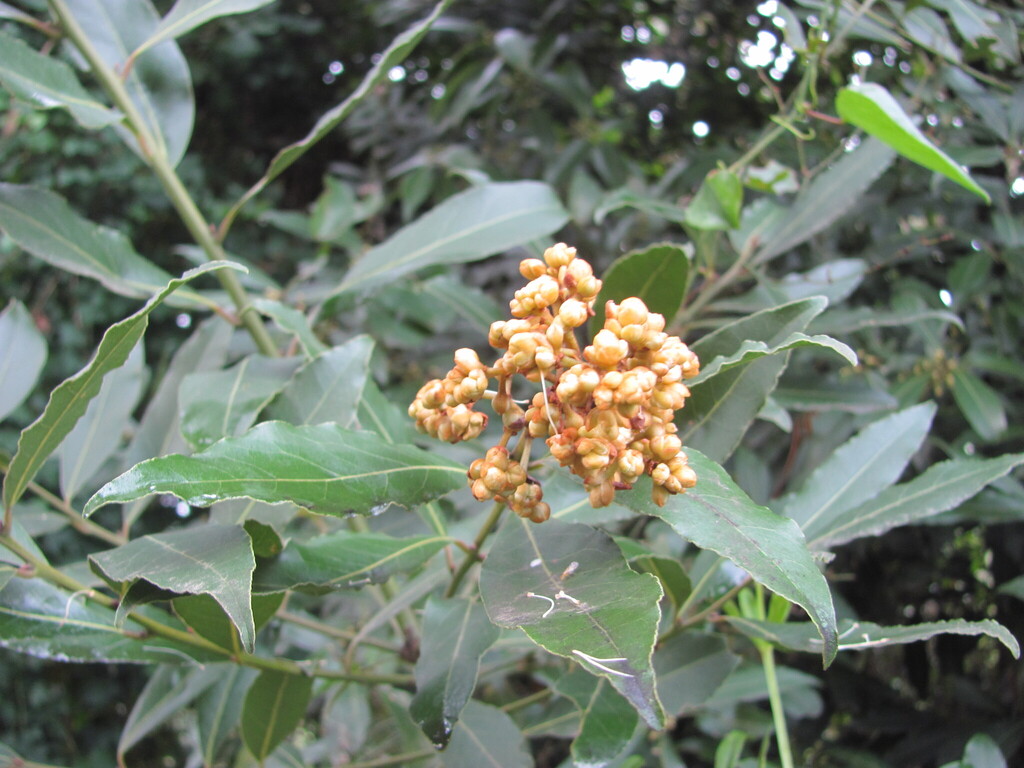
The Bay Laurel is a classic evergreen shrub or small tree prized for its aromatic leaves. It grows slowly and makes a wonderful container plant. It is a staple in many kitchens for its culinary uses.

At a glance
- Care level
- Moderate
- Plant type
- Evergreen shrub or tree
- Light
- Full sun to partial shade
- Indoor light
- Bright indirect
- Water
- Every 5 to 10 days
- Mature size
- 12 to 18 meters
- Growth rate
- Slow
- Hardiness
- USDA 8 to 10
- Bloom time
- Late spring to early summer
Care
Keep the soil consistently moist but never soggy to prevent root rot. Watch for yellowing leaves which often signal overwatering or poor drainage. Prune lightly to maintain your desired shape during the growing season.
- Watering
- Water when the top few centimeters of soil feel dry to the touch.
- Feeding
- Feed with a balanced liquid fertilizer during the active growing months.
- Pruning
- Trim back long branches to encourage a bushier, denser form.
- Repotting
- Repot into a slightly larger container once the roots fill the current pot.
- Soil
- Well-draining loam
- Soil pH
- 6.0 to 7.5
- Temperature
- -10 to 35°C
- Humidity
- 40 to 60%
- Drought tolerance
- Moderate
- Lifespan
- Perennial, can live for many decades.
- Fragrance
- Strong
- Deer and rabbits
- High
Signs it needs repotting
- Roots growing out of the drainage holes.
- Water running straight through the pot.
- Stunted growth during the active season.
Safety
- People
- The leaves are generally safe for culinary use, but ingestion of large quantities can cause digestive distress.
- Pets
- The plant is considered non-toxic to cats and dogs, though ingestion of large quantities may cause mild digestive upset.
- Children
- The stiff, pointed leaves can be a minor choking hazard if swallowed by small children.
- Contact allergens
- The leaves can cause mild skin irritation in sensitive individuals.
- Airborne allergens
- The pollen may trigger mild seasonal allergies in some people.
- Edibility
- Ensure you are using true Laurus nobilis, as other plants labeled laurel can be highly toxic.
How to identify it
- Glossy dark green leathery leaves
- Aromatic foliage when crushed
- Small yellow flowers in spring
- Oval shaped dark purple berries
- Dense upright growth habit
- Height
- 3 to 12m
- Spread
- 2 to 6m
- Leaves
- dark green, evergreen
- Flowers
- pale yellow, 0.5 to 1cm
- Fruit
- black, Autumn
Problems to watch for
- Leaf SpotCommon
- Scale InsectsCommon
- AphidsUncommon
- Leaf ScorchUncommon
- Root RotUncommon
- Sooty MoldUncommon
By symptom
Check your bay laurel from a photo
Pocket Botanist looks at a photo of your plant and tells you what's wrong and what to try first.
Growing it
- Propagation
- cuttings, seed
- When to plant
- spring, autumn
- Overwintering
- Move containers to a sheltered spot or indoors if temperatures drop well below freezing. Protect young plants from harsh winds.
- In containers
- It is excellent for containers, requiring a pot at least 40 cm wide to accommodate root growth.
Semi-ripe cuttings
- Take a 10 cm cutting in late summer.
- Remove lower leaves and dip the base in rooting hormone.
- Place in a pot with moist, sandy soil.
- Cover with a plastic bag to maintain humidity.
- Keep in bright, indirect light until rooted.
Group Mediterranean herbs together to create a consistent microclimate that favors their shared needs.
Grows well with
Similar species
- Cherry Laurel — Often confused with bay, but it is toxic and not for culinary use.
Science
- Family
- Lauraceae
- Genus
- Laurus
- Order
- Laurales
- Class
- Magnoliopsida
- Native range
- Mediterranean region
- Conservation
- This plant is common and not of conservation concern.
It grows naturally in scrubby, rocky Mediterranean hillsides where it tolerates dry summers and mild winters.
- Value to wildlife
- nectar source, shelter for small birds
- Pollinators
- bees, butterflies
- Uses
- culinary herb, topiary, ornamental hedge, essential oil production
Through the year
Ecological indicators
- Salinity
- 3/9
- Soil reaction
- 6/9
- Light
- 7/9
- Nutrients
- 5/9
- Temperature
- 7/9
- Moisture
- 4/9
Taxonomy resolved against GBIF.
Questions people ask
- Can I grow bay laurel in a pot?
- Yes, it thrives in containers and is often kept as a topiary.
- How do I dry the leaves?
- Simply hang branches in a cool, dark, and airy place until brittle.
Where the name comes from
The name Laurus nobilis translates from Latin to noble laurel, referencing its historical status as a symbol of honor.
Good to know
- Bay leaves were once thought to protect against lightning strikes.
- The term baccalaureate comes from the Latin for laurel berry.
- Bay leaves are more flavorful when dried than when fresh.
Also in
Keep your bay laurel growing
This page is a general guide. Save your plant in Pocket Botanist and you get care reminders timed for this plant, plus a care history that shows what worked.
This guide was generated with AI and checked against GBIF taxonomy. It is general information, not horticultural or veterinary advice. Read about how we build these guides.