 Pocket Botanist
Guía de plantas
Laurel.
Laurus nobilis
Pronunciación LAW-rus NO-bi-lis
También se conoce como Bahía, Bahía de laurel, Árbol de la hoja de laurel, laurel griego, Laurel, Laurel, Dulce


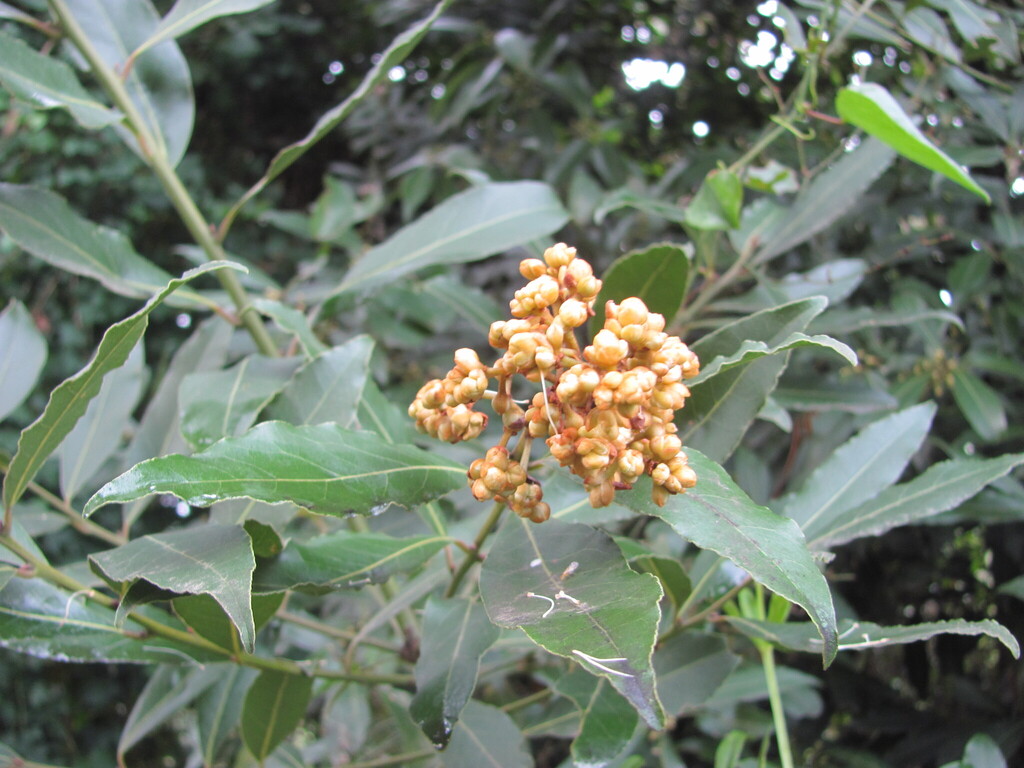
El Laurel es un arbusto o árbol perennifolio clásico muy apreciado por sus hojas aromáticas. Crece lentamente y es una planta fantástica para macetas. Es un básico en muchas cocinas por sus usos culinarios.

De un vistazo
- Nivel de cuidados
- Media
- Tipo de planta
- Arbusto o árbol perennifolio
- Luz
- Pleno sol a sombra parcial
- Luz en interior
- Luz indirecta brillante
- Riego
- Cada 5 a 10 días
- Tamaño adulto
- 12 a 18 metros
- Ritmo de crecimiento
- Lento
- Rusticidad
- USDA 8 a 10
- Floración
- Finales de primavera a principios de verano
Cuidados
Mantén la tierra consistentemente húmeda pero nunca empapada para prevenir la pudrición de las raíces. Observa las hojas amarillentas que a menudo indican exceso de riego o mal drenaje. Poda ligeramente para mantener la forma deseada durante la temporada de crecimiento.
- Riego
- Riega cuando los primeros centímetros de tierra se sientan secos al tacto.
- Abonado
- Alimenta con un fertilizante líquido equilibrado durante los meses de crecimiento activo.
- Poda
- Recorta las ramas largas para fomentar una forma más frondosa y densa.
- Trasplante
- Trasplanta a un contenedor ligeramente más grande una vez que las raíces llenen la maceta actual.
- Suelo
- Tierra franca bien drenada
- pH del suelo
- 6.0 a 7.5
- Temperatura
- -10 a 35°C
- Humedad
- 40 a 60%
- Tolerancia a la sequía
- Moderada
- Longevidad
- Perenne, puede vivir muchas décadas.
- Fragancia
- Intensa
- Resistencia a ciervos y conejos
- Alta
Señales de que necesita trasplante
- Las raíces crecen fuera de los agujeros de drenaje.
- El agua pasa directamente a través de la maceta.
- Crecimiento atrofiado durante la temporada activa.
Seguridad
- Personas
- Las hojas son generalmente seguras para uso culinario, pero la ingestión de grandes cantidades puede causar malestar digestivo.
- Mascotas
- La planta se considera no tóxica para gatos y perros, aunque la ingestión de grandes cantidades puede causar malestar digestivo leve.
- Niños
- Las hojas rígidas y puntiagudas pueden ser un peligro menor de asfixia si son tragadas por niños pequeños.
- Alérgenos por contacto
- Las hojas pueden causar irritación leve de la piel en personas sensibles.
- Alérgenos en el aire
- El polen puede desencadenar alergias estacionales leves en algunas personas.
- Comestibilidad
- Asegúrate de estar utilizando el verdadero Laurus nobilis, ya que otras plantas etiquetadas como laurel pueden ser muy tóxicas.
Cómo identificarla
- Hojas coriáceas de color verde oscuro brillante
- Follaje aromático al aplastarlo
- Pequeñas flores amarillas en primavera
- Bayas ovaladas de color púrpura oscuro
- Hábito de crecimiento denso y erguido
- Altura
- 3 a 12m
- Anchura
- 2 a 6m
- Hojas
- verde oscuro, perenne
- Flores
- amarillo pálido, 0,5 a 1cm
- Frutos
- negro, Otoño
Problemas a vigilar
- CochinillasComún
- Manchas foliaresComún
- NegrillaPoco común
- Podredumbre radicularPoco común
- PulgonesPoco común
- Quemadura foliarPoco común
- Mancha foliar — Infección fúngica que causa manchas oscuras en el follaje durante el clima húmedo.
Por síntoma
Revisa tu laurel con una foto
Pocket Botanist mira una foto de tu planta y te dice qué le pasa y qué probar primero.
Cómo cultivarla
- Propagación
- esquejes, semilla
- Cuándo plantar
- primavera, otoño
- Cuidados en invierno
- Mueve los contenedores a un lugar protegido o al interior si las temperaturas bajan muy por debajo de la congelación. Protege las plantas jóvenes de los vientos fuertes.
- En maceta
- Es excelente para contenedores, requiriendo una maceta de al menos 40 cm de ancho para acomodar el crecimiento de las raíces.
Esquejes semi-leñosos
- Toma un esqueje de 10 cm a finales de verano.
- Retira las hojas inferiores y moja la base en hormona de enraizamiento.
- Coloca en una maceta con tierra húmeda y arenosa.
- Cubre con una bolsa de plástico para mantener la humedad.
- Mantén a la luz brillante e indirecta hasta que enraíce.
Agrupa hierbas mediterráneas para crear un microclima constante que favorezca sus necesidades compartidas.
Buenas compañeras
Especies parecidas
- laurel cerezo — A menudo se confunde con el laurel, pero es tóxico y no apto para uso culinario.
Ciencia
- Familia
- Lauraceae
- Género
- Laurus
- Orden
- Laurales
- Clase
- Magnoliopsida
- Distribución natural
- Región mediterránea
- Conservación
- Esta planta es común y no es de preocupación para la conservación.
Crece de forma natural en laderas rocosas y matorrales del Mediterráneo, donde tolera veranos secos e inviernos suaves.
- Valor para la fauna
- fuente de néctar, refugio para pájaros pequeños
- Polinizadores
- abejas, mariposas
- Usos
- hierba culinaria, topiario, seto ornamental, producción de aceite esencial
A lo largo del año
Indicadores ecológicos
- Salinidad
- 3/9
- Reacción del suelo
- 6/9
- Luz
- 7/9
- Nutrientes
- 5/9
- Temperatura
- 7/9
- Humedad
- 4/9
Taxonomía cotejada con GBIF.
Lo que más preguntan
- ¿Puedo cultivar laurel en una maceta?
- Sí, prospera en contenedores y a menudo se mantiene como topiario.
- ¿Cómo seco las hojas?
- Simplemente cuelga las ramas en un lugar fresco, oscuro y aireado hasta que estén quebradizas.
De dónde viene el nombre
El nombre Laurus nobilis se traduce del latín como laurel noble, haciendo referencia a su estatus histórico como símbolo de honor.
Bueno saberlo
- Las hojas de laurel se creía que protegían contra los rayos.
- El término bachillerato proviene del latín para baya de laurel.
- Las hojas de laurel son más sabrosas secas que frescas.
También en
Que tu laurel siga creciendo
Esta página es una guía general. Guarda tu planta en Pocket Botanist y tendrás recordatorios de cuidado pensados para esta planta, además de un historial de cuidados que muestra qué ha funcionado.
Esta guía se ha generado con IA y se ha cotejado con la taxonomía de GBIF. Es información general, no asesoramiento botánico ni veterinario. Descubre cómo elaboramos estas guías.