 Pocket Botanist
Plant guide
Winter Squash.
Cucurbita maxima
Pronounced koo-KUR-bi-tuh MAK-si-muh
Also known as Atlantic giant pumpkin, Hokkaido squash, Hubbard squash, Pumkin, Pumpkin, Queensland blue squash



Scan with your phone's camera to get the app
Or go to pocketbotanist.app/get on your phone
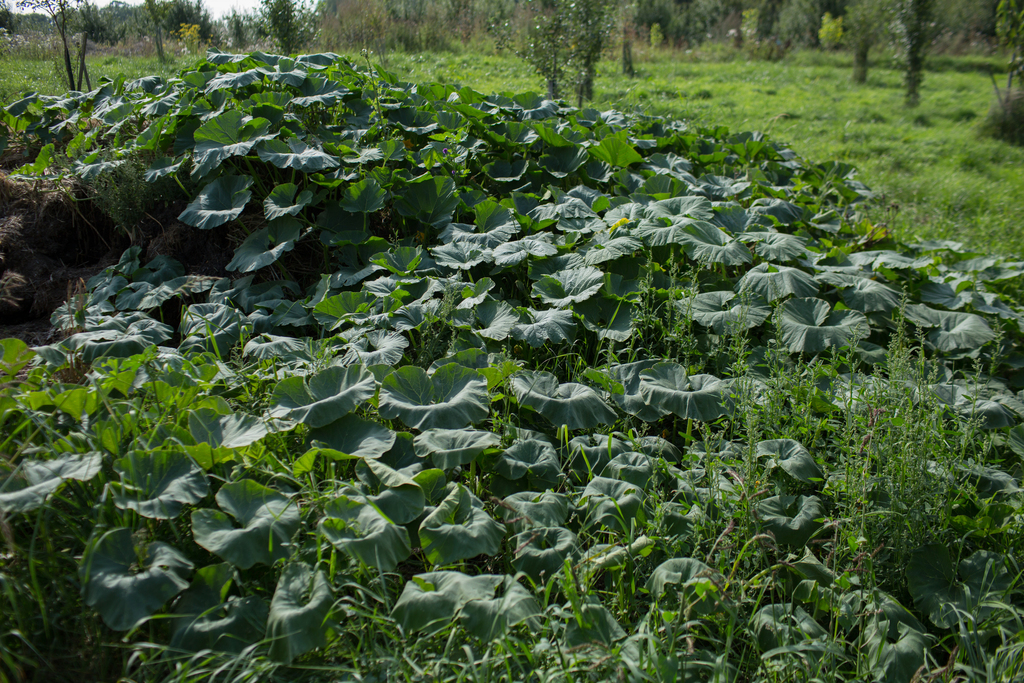
This is a vigorous vining plant that produces large, delicious fruits perfect for autumn harvests. It loves warm weather and plenty of space to sprawl across your garden. You will enjoy watching these heavy gourds develop throughout the summer months.
At a glance
- Care level
- Moderate
- Plant type
- Annual vegetable
- Light
- Full sun
- Indoor light
- Direct sun
- Water
- Every 2 to 4 days
- Mature size
- 10 to 20 feet long
- Growth rate
- Fast
- Hardiness
- USDA 3 to 9
- Bloom time
- Mid to late summer
Care
Give these plants plenty of room to spread and ensure they get full sun all day long. Keep the soil consistently moist but avoid wetting the leaves to prevent fungal issues. Watch for wilting during the heat of the day as a sign they need a deep soak.
- Watering
- Water deeply at the base of the plant to keep the soil evenly moist.
- Feeding
- Apply a balanced liquid fertilizer once the plant begins to flower.
- Pruning
- Trim back excessive vines if they are crowding other plants in your garden.
- Repotting
- These are annuals and are typically grown directly in the garden soil.
- Soil
- Rich, well-draining, organic soil
- Soil pH
- 6.0 to 7.0
- Temperature
- 15 to 35°C
- Humidity
- 40 to 70%
- Drought tolerance
- Low
- Lifespan
- Annual, one growing season
- Deer and rabbits
- Low
Safety
- People
- The plant is non-toxic, though the leaves can be slightly irritating to sensitive skin due to fine hairs.
- Children
- The large, heavy fruits pose a crushing risk if they fall or are rolled by small children.
- Contact allergens
- The stiff, prickly hairs on the stems and leaves can cause mechanical skin irritation.
- Airborne allergens
- Pollen can trigger mild seasonal allergies in sensitive individuals.
- Edibility
- Always cook the flesh thoroughly before eating, as raw pumpkin is difficult to digest.
How to identify it
- Large, rounded, lobed leaves
- Thick, hairy, rounded stems
- Large, bright yellow trumpet flowers
- Heavy, round, or oblong fruits
- Cork-like, non-angled fruit stems
- Height
- 0.3 to 0.6m
- Spread
- 2 to 6m
- Leaves
- green, deciduous
- Flowers
- yellow, orange, 10 to 20cm
- Fruit
- orange, red, blue, grey, green, Autumn
Problems to watch for
- Powdery mildew · A white fungal growth that covers leaves in humid, stagnant air.
- Squash vine borer · Larvae tunnel into the stems, causing the plant to wilt suddenly.
Check your winter squash from a photo
Pocket Botanist looks at a photo of your plant and tells you what's wrong and what to try first.
Scan with your phone's camera to get the app
Or go to pocketbotanist.app/get on your phone
Growing it
- Propagation
- seed
- When to plant
- Spring
- Overwintering
- This plant is an annual and will die with the first frost, so simply clear the vines once they wither.
- In containers
- It is generally too large for containers, though dwarf varieties can grow in a pot of at least 40 liters.
Direct Sowing
- 1. Wait until all danger of frost has passed.
- 2. Create a mound of soil enriched with compost.
- 3. Plant seeds 3 centimeters deep.
- 4. Keep the soil consistently moist until germination.
Planting beans nearby can help fix nitrogen in the soil to support the heavy feeding needs of the pumpkin.
Grows well with
- Corn · Corn provides a natural trellis for the vines to climb.
- Nasturtium · These flowers help deter common squash pests.
Keep away from
- Potato · Potatoes compete for soil nutrients and can harbor similar fungal issues.
Similar species
- Butternut Squash · It is a related species with a similar growth habit but different fruit shape.
Science
- Family
- Cucurbitaceae
- Genus
- Cucurbita
- Order
- Cucurbitales
- Class
- Magnoliopsida
- Native range
- South America
- Conservation
- Not of conservation concern as it is a widely cultivated agricultural crop.
It thrives in warm, fertile soil and uses its vigorous vines to outcompete weeds for sunlight.
- Value to wildlife
- nectar source
- Pollinators
- bees, beetles
- Uses
- culinary, ornamental, autumn decor
Through the year
Ecological indicators
- Salinity
- 2/9
- Soil reaction
- 6/9
- Light
- 8/9
- Temperature
- 7/9
- Moisture
- 6/9
- Nutrients
- 8/9
Taxonomy resolved against GBIF.
Questions people ask
- Why are my pumpkins not setting fruit?
- You likely lack enough pollinators, or the weather is too hot for the flowers to set.
- When should I harvest?
- Harvest when the stem turns woody and the rind is hard enough to resist a fingernail.
Where the name comes from
The scientific name maxima refers to the massive size these fruits can reach compared to other species.
Good to know
- Pumpkins are technically a type of berry called a pepo.
- The name comes from the Greek word pepon, meaning large melon.
- They are composed of about 90 percent water.
- Native to South America, they were domesticated thousands of years ago.
Keep your winter squash growing
This page is a general guide. Save your plant in Pocket Botanist and you get care reminders timed for this plant, plus a care history that shows what worked.
Scan with your phone's camera to get the app
Or go to pocketbotanist.app/get on your phone
This guide was generated with AI on and checked against GBIF taxonomy. It is general information, not horticultural or veterinary advice. Read about how we build these guides.