 Pocket Botanist
Plant guide
Bell Pepper.
Capsicum annuum annuum
Pronounced KAP-sih-kum AN-yoo-um
Also known as Cayenne Pepper, Jalapeno pepper, ancho, bell pepper, capiscum, capsicum pepper, cayenne, cherry pepper



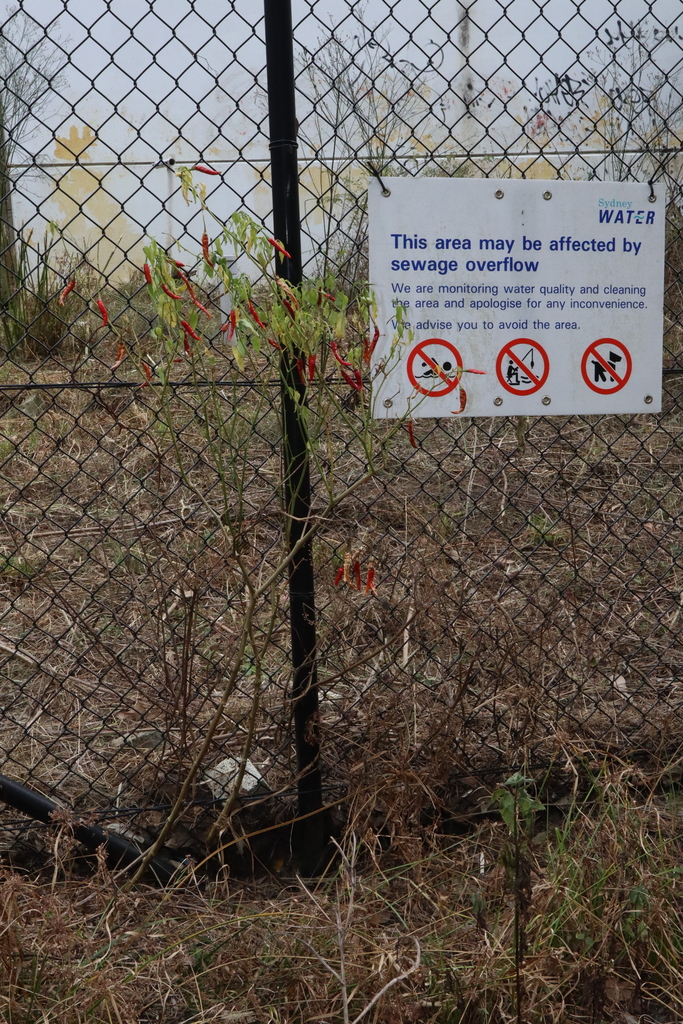
This popular garden staple produces vibrant, edible fruits that come in many shapes and colors. It is a tender perennial often grown as an annual in cooler climates. You will love watching these peppers develop from small white flowers into crunchy, delicious snacks.
At a glance
- Care level
- Moderate
- Plant type
- Vegetable
- Light
- Full sun, at least 6 to 8 hours daily.
- Indoor light
- Direct sun
- Water
- Every 2 to 4 days
- Mature size
- 2 to 4 feet tall
- Growth rate
- Fast
- Hardiness
- USDA 9 to 11
- Bloom time
- Late spring to summer
Care
Keep the soil consistently moist but never soggy to prevent root rot. Watch for yellowing leaves which often signal overwatering or nutrient deficiencies. Provide plenty of warmth and airflow to keep your plant happy and productive.
- Watering
- Water deeply whenever the top inch of soil feels dry to the touch.
- Feeding
- Use a balanced liquid fertilizer every two weeks during the active growing season.
- Pruning
- Pinch off the tips of young stems to encourage a bushier shape and more fruit production.
- Repotting
- If growing in a container, refresh the soil and move to a slightly larger pot once a year.
- Soil
- Well draining, fertile, loamy soil.
- Soil pH
- 6.0 to 6.8
- Temperature
- 15 to 35°C
- Humidity
- 40 to 60%
- Drought tolerance
- Moderate
- Lifespan
- Tender perennial, usually grown as an annual
- Deer and rabbits
- Moderate
Signs it needs repotting
- Roots growing out of drainage holes
- Water running straight through the pot
- Stunted growth
Safety
- People
- The plant is generally safe, but the fruit can cause severe irritation to mucous membranes due to capsaicin content.
- Pets
- This plant is generally considered non toxic to cats and dogs, though ingestion of large amounts may cause mild stomach upset.
- Children
- Keep children away from hot pepper varieties to prevent accidental eye or skin irritation.
- Contact allergens
- Handling hot pepper fruits can cause burning sensations or dermatitis in sensitive individuals.
- Airborne allergens
- Dried pepper dust or cooking fumes can irritate the respiratory tract.
- Edibility
- Wash hands thoroughly after handling hot peppers to avoid transferring capsaicin to eyes or sensitive skin.
How to identify it
- Glossy, lance shaped green leaves
- Star shaped white flowers
- Hollow, multi chambered fleshy fruit
- Woody stems as plant matures
- Height
- 0.3 to 0.9m
- Spread
- 0.3 to 0.6m
- Leaves
- green, deciduous
- Flowers
- white, 1 to 2cm
- Fruit
- green, red, yellow, orange, Summer to autumn
Problems to watch for
- AphidsCommon
- Blossom End RotCommon
- CutwormsUncommon
- Flea BeetlesUncommon
- Powdery MildewUncommon
- Slugs and SnailsUncommon
- Tobacco Mosaic VirusUncommon
- Tomato HornwormUncommon
Check your bell pepper from a photo
Pocket Botanist looks at a photo of your plant and tells you what's wrong and what to try first.
Growing it
- Propagation
- seed
- When to plant
- spring
- Overwintering
- In frost prone areas, bring containers indoors to a bright, warm location before the first freeze.
- In containers
- Peppers grow very well in containers, provided the pot is at least 30 centimeters deep and has good drainage.
Seed starting
- 1. Sow seeds in trays 8 weeks before the last frost.
- 2. Keep soil warm at 25 degrees Celsius.
- 3. Transplant seedlings outdoors once nights stay above 15 degrees.
Planting aromatic herbs nearby can help mask the scent of peppers from potential pests.
Grows well with
Keep away from
- Fennel — Fennel can inhibit the growth of many vegetable crops.
Similar species
- Bell pepper — These are closely related cultivars that share similar growing requirements.
Science
- Family
- Solanaceae
- Genus
- Capsicum
- Order
- Solanales
- Class
- Magnoliopsida
- Native range
- Central and South America
- Conservation
- This species is widely cultivated and not of conservation concern.
It thrives in warm, sunny environments with well drained soil and relies on insects for pollination.
- Value to wildlife
- nectar source
- Pollinators
- bees
- Uses
- culinary, ornamental, container gardening
Through the year
Ecological indicators
- Salinity
- 2/9
- Soil reaction
- 6/9
- Light
- 8/9
- Temperature
- 8/9
- Moisture
- 5/9
- Nutrients
- 6/9
Taxonomy resolved against GBIF.
Questions people ask
- Why are my peppers not turning red?
- Many varieties require a longer growing season to fully ripen to their final color.
- Can I grow peppers indoors?
- Yes, provided you have a very sunny window or supplemental grow lights.
Where the name comes from
The name Capsicum comes from the Greek word kapto, meaning to bite, referring to the pungent taste of the fruit.
Good to know
- Peppers are technically berries in botanical terms.
- The heat of a pepper is measured in Scoville Heat Units.
- Peppers were domesticated in Mexico thousands of years ago.
Keep your bell pepper growing
This page is a general guide. Save your plant in Pocket Botanist and you get care reminders timed for this plant, plus a care history that shows what worked.
This guide was generated with AI and checked against GBIF taxonomy. It is general information, not horticultural or veterinary advice. Read about how we build these guides.