 Pocket Botanist
Plant guide
Florence Fennel.
Foeniculum vulgare Mill.
Pronounced foh-NEN-koo-lum vul-GAIR-ee
Also known as Aniseed-weed, Fennel, Sweet Fennel


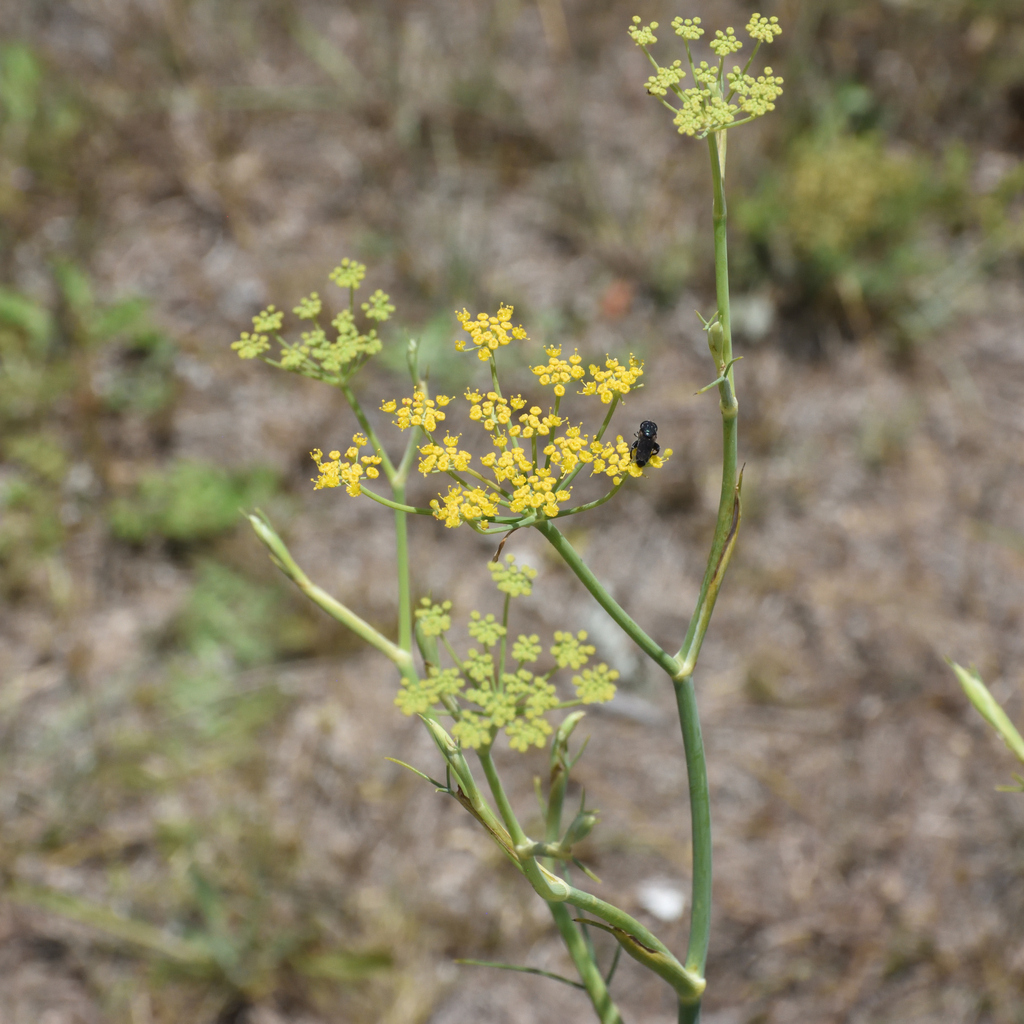
Florence fennel is a lovely, aromatic herb grown primarily for its swollen, bulbous stem base. It adds a sweet, anise flavor to many dishes. You'll find it thrives best in cooler weather.

At a glance
- Care level
- Moderate
- Plant type
- Perennial vegetable
- Light
- Full sun
- Indoor light
- Direct sun
- Water
- Every 2 to 4 days
- Mature size
- 3 to 5 feet tall
- Growth rate
- Fast
- Hardiness
- USDA 4 to 9
- Bloom time
- Mid to late summer
Care
Keep the soil consistently moist to prevent the bulb from turning woody. Watch for aphids that love to hide in the feathery fronds. Hilling soil around the base helps blanch the bulb for a sweeter taste.
- Watering
- Keep the soil evenly moist but never waterlogged.
- Feeding
- Apply a balanced organic fertilizer once a month during the growing season.
- Pruning
- Trim back any yellowing fronds to encourage better bulb development.
- Repotting
- This plant is typically grown as an annual in a garden bed.
- Soil
- Well-draining, fertile, loamy soil
- Soil pH
- 6.5 to 7.5
- Temperature
- -15 to 35°C
- Humidity
- 40 to 70%
- Drought tolerance
- High
- Lifespan
- Short lived perennial, typically 3 to 5 years.
- Fragrance
- Strong
- Deer and rabbits
- Moderate
Signs it needs repotting
- Roots growing out of the drainage holes.
- Stunted growth despite regular feeding.
- Soil drying out very quickly.
Safety
- People
- Fennel is generally considered safe for human consumption as a culinary herb.
- Children
- The seeds are small and could pose a choking hazard to very young children if left unattended.
- Contact allergens
- Handling the foliage can cause mild skin irritation in sensitive individuals.
- Airborne allergens
- The pollen can cause seasonal allergies for some people.
- Edibility
- Do not confuse with poisonous lookalikes like poison hemlock, which has smooth stems with purple blotches.
How to identify it
- Swollen, bulbous white stem base
- Feathery, thread-like green foliage
- Strong anise or licorice scent
- Tall, hollow, branching stems
- Height
- 1.2 to 1.8m
- Spread
- 0.45 to 0.6m
- Leaves
- bright green, blue green, deciduous
- Flowers
- yellow, 5 to 15cm
- Fruit
- brown, Autumn
Problems to watch for
- AphidsCommon
- BoltingCommon
- Fennel RustCommon
- Leaf MinersUncommon
- Root RotUncommon
- Slugs and SnailsUncommon
By symptom
Check your florence fennel from a photo
Pocket Botanist looks at a photo of your plant and tells you what's wrong and what to try first.
Growing it
- Propagation
- seed, division
- When to plant
- spring, autumn
- Overwintering
- Cut back the dead foliage in late autumn. In colder climates, add a layer of mulch to protect the roots from deep freezes.
- In containers
- It grows well in containers, provided you use a deep pot to accommodate the long taproot.
Seed sowing
- Sow seeds directly into the garden in spring.
- Cover lightly with soil.
- Keep moist until germination.
Division
- Carefully dig up the plant in early spring.
- Separate the root clump into smaller sections.
- Replant immediately in prepared soil.
Keep fennel in a dedicated herb corner to avoid its allelopathic effects on your other vegetables.
Grows well with
Keep away from
Similar species
- Dill — Similar feathery foliage and yellow flower umbels.
- Caraway — Shares the same family and similar growth habit.
Science
- Family
- Apiaceae
- Genus
- Foeniculum
- Order
- Apiales
- Class
- Magnoliopsida
- Native range
- Mediterranean region
- Conservation
- Fennel is considered invasive in some regions, so check your local regulations before planting.
It thrives in sunny, well drained soils and often colonizes disturbed ground.
- Value to wildlife
- larval host plant, nectar source
- Pollinators
- bees, butterflies, beetles
- Uses
- culinary herb, ornamental foliage, pollinator garden, tea ingredient
Through the year
Ecological indicators
- Salinity
- 3/9
- Light
- 8/9
- Moisture
- 4/9
- Soil reaction
- 7/9
- Temperature
- 6/9
- Nutrients
- 5/9
Taxonomy resolved against GBIF.
Questions people ask
- Can I grow fennel in a pot?
- Yes, it grows well in deep containers, but ensure the pot is at least 30 centimeters deep.
- Why is my fennel not forming a large bulb?
- Most common garden fennel is grown for its leaves and seeds rather than the bulbous base.
Where the name comes from
The name Foeniculum comes from the Latin word for hay, while vulgare means common.
Good to know
- Fennel has been used since ancient times as both a food and a medicine.
- The entire plant is edible, including the bulbs, stalks, leaves, and seeds.
- It is a primary larval host plant for the Eastern Black Swallowtail butterfly.
Also in
Keep your florence fennel growing
This page is a general guide. Save your plant in Pocket Botanist and you get care reminders timed for this plant, plus a care history that shows what worked.
This guide was generated with AI and checked against GBIF taxonomy. It is general information, not horticultural or veterinary advice. Read about how we build these guides.