 Pocket Botanist
Guide botanique
Poivron.
Capsicum annuum annuum
Prononciation KAP-sih-kum AN-yoo-um
Aussi appelée Piment de Cayenne, Piment Jalapeño, ancho, poivron, capiscum, piment capsicum, cayenne, piment cerise



Ce classique du potager produit des fruits comestibles vibrants qui existent en de nombreuses formes et couleurs. C'est une plante vivace tendre, souvent cultivée comme une annuelle dans les climats plus froids. Vous adorerez voir ces poivrons se développer à partir de petites fleurs blanches pour devenir des en-cas croquants et délicieux.
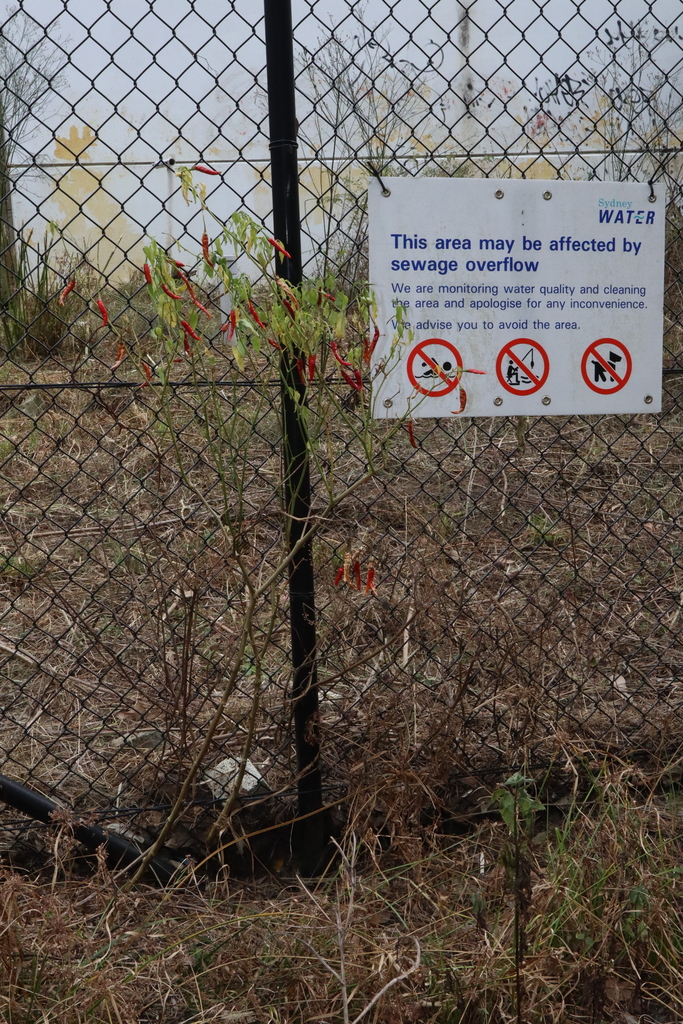
En un coup d'œil
- Niveau d'entretien
- Moyenne
- Type de plante
- Légume
- Lumière
- Plein soleil, au moins 6 à 8 heures par jour.
- Lumière en intérieur
- Soleil direct
- Arrosage
- Tous les 2 à 4 jours
- Taille adulte
- 2 à 4 pieds de haut
- Croissance
- Rapide
- Rusticité
- USDA 9 à 11
- Floraison
- Fin du printemps à l'été
Entretien
Gardez le sol constamment humide, mais jamais détrempé, pour éviter la pourriture des racines. Surveillez les feuilles qui jaunissent, signe fréquent d'un arrosage excessif ou d'une carence en nutriments. Assurez beaucoup de chaleur et de circulation d'air pour que votre plante reste heureuse et productive.
- Arrosage
- Arrosez copieusement chaque fois que le pouce supérieur de terre est sec au toucher.
- Engrais
- Utilisez un engrais liquide équilibré toutes les deux semaines pendant la saison de croissance active.
- Taille
- Pincez les extrémités des jeunes tiges pour encourager une forme plus touffue et une production de fruits accrue.
- Rempotage
- Si vous cultivez en pot, renouvelez le terreau et transplantez dans un pot légèrement plus grand une fois par an.
- Sol
- Sol limoneux, fertile et bien drainé.
- pH du sol
- 6,0 à 6,8
- Température
- 15 à 35°C
- Humidité
- 40 à 60%
- Résistance à la sécheresse
- Moyenne
- Durée de vie
- Plante vivace tendre, généralement cultivée comme annuelle
- Résistance aux chevreuils et lapins
- Moyenne
Signes qu'il faut rempoter
- Racines sortant des trous de drainage
- L'eau traverse directement le pot
- Croissance ralentie
Sécurité
- Humains
- La plante est généralement sans danger, mais le fruit peut provoquer une forte irritation des muqueuses en raison de sa teneur en capsaïcine.
- Animaux
- Cette plante est généralement considérée comme non toxique pour les chats et les chiens, bien que l'ingestion de grandes quantités puisse provoquer de légers maux d'estomac.
- Enfants
- Tenez les enfants à l'écart des variétés de piments forts pour éviter toute irritation accidentelle des yeux ou de la peau.
- Allergènes de contact
- La manipulation de fruits de piment fort peut provoquer des sensations de brûlure ou une dermatite chez les personnes sensibles.
- Allergènes aéroportés
- La poussière de piment séché ou les vapeurs de cuisson peuvent irriter les voies respiratoires.
- Comestibilité
- Lavez-vous soigneusement les mains après avoir manipulé des piments forts pour éviter de transférer la capsaïcine dans les yeux ou sur la peau sensible.
Comment l'identifier
- Feuilles vertes luisantes, en forme de lance
- Fleurs blanches en étoile
- Fruit charnu, creux et à plusieurs loges
- Tiges ligneuses à mesure que la plante mûrit
- Hauteur
- 0,3 à 0,9m
- Envergure
- 0,3 à 0,6m
- Feuilles
- vert, caduc
- Fleurs
- blanc, 1 à 2cm
- Fruits
- vert, rouge, jaune, orange, Été à automne
Problèmes à surveiller
- Nécrose apicaleCourant
- PuceronsCourant
- AltisesPeu courant
- Limaces et escargotsPeu courant
- OïdiumPeu courant
- Sphinx de la tomatePeu courant
- Vers grisPeu courant
- Virus de la mosaïque du tabacPeu courant
- Pourriture de la fleur — Une carence en calcium souvent causée par des arrosages irréguliers.
Par symptôme
Vérifie la santé de ta plante en photo
Pocket Botanist analyse une photo de ta plante et te dit ce qui ne va pas et quoi essayer en premier.
La cultiver
- Multiplication
- semis
- Quand planter
- printemps
- Hivernage
- Dans les régions sujettes au gel, rentrez les contenants à l'intérieur dans un endroit lumineux et chaud avant le premier gel.
- En pot
- Les poivrons poussent très bien en pots, à condition que le pot ait au moins 30 centimètres de profondeur et un bon drainage.
Semis
- 1. Semez les graines en godets 8 semaines avant le dernier gel.
- 2. Maintenez le sol chaud à 25 degrés Celsius.
- 3. Transplantez les jeunes plants à l'extérieur une fois que les nuits restent au-dessus de 15 degrés.
Planter des herbes aromatiques à proximité peut aider à masquer l'odeur des poivrons pour les ravageurs potentiels.
Bonnes associations
À éloigner de
- Fenouil de Florence — Le fenouil peut inhiber la croissance de nombreuses cultures maraîchères.
Espèces similaires
- Capsicum annuum grossum — Ce sont des cultivars étroitement apparentés qui partagent des exigences de croissance similaires.
Science
- Famille
- Solanaceae
- Genre
- Capsicum
- Ordre
- Solanales
- Classe
- Magnoliopsida
- Région d'origine
- Amérique centrale et du Sud
- Préservation
- Cette espèce est largement cultivée et ne pose pas de problème de conservation.
Il prospère dans les environnements chauds et ensoleillés avec un sol bien drainé et dépend des insectes pour la pollinisation.
- Intérêt pour la faune
- source de nectar
- Pollinisateurs
- abeilles
- Utilisations
- culinaire, ornemental, culture en pots
Au fil des saisons
Repères écologiques
- Salinité
- 2/9
- Réaction du sol
- 6/9
- Lumière
- 8/9
- Température
- 8/9
- Humidité
- 5/9
- Nutriments
- 6/9
Taxonomie vérifiée avec le GBIF.
Ce qu'on demande souvent
- Pourquoi mes poivrons ne deviennent-ils pas rouges ?
- De nombreuses variétés nécessitent une saison de croissance plus longue pour mûrir complètement jusqu'à leur couleur finale.
- Puis-je cultiver des poivrons à l'intérieur ?
- Oui, à condition d'avoir une fenêtre très ensoleillée ou des lampes de croissance d'appoint.
D'où vient le nom
Le nom Capsicum vient du grec 'kapto', qui signifie mordre, en référence au goût piquant du fruit.
Bon à savoir
- Les poivrons sont techniquement des baies en termes botaniques.
- La chaleur d'un poivron est mesurée en unités Scoville.
- Les poivrons ont été domestiqués au Mexique il y a des milliers d'années.
Garde ta plante en pleine forme
Cette page est un guide général. Enregistre ta plante dans Pocket Botanist et tu reçois des rappels d'entretien adaptés à cette plante, ainsi qu'un historique d'entretien qui montre ce qui a marché.
Ce guide a été généré par IA et vérifié avec la taxonomie du GBIF. Il s'agit d'informations générales, et non de conseils horticoles ou vétérinaires. Découvre comment nous concevons ces guides.