 Pocket Botanist
Guía de plantas
Pimiento morrón.
Capsicum annuum annuum
Pronunciación KAP-sih-kum AN-yoo-um
También se conoce como Chile de Cayena, Chile jalapeño, ancho, pimiento morrón, capiscum, pimienta morrón, cayenne, Pimiento cereza



Este popular alimento básico de jardín produce frutos vibrantes y comestibles que vienen en muchas formas y colores. Es una planta perenne tierna que a menudo se cultiva como anual en climas más fríos. Te encantará ver cómo estos pimientos se desarrollan desde pequeñas flores blancas hasta convertirse en bocadillos crujientes y deliciosos.
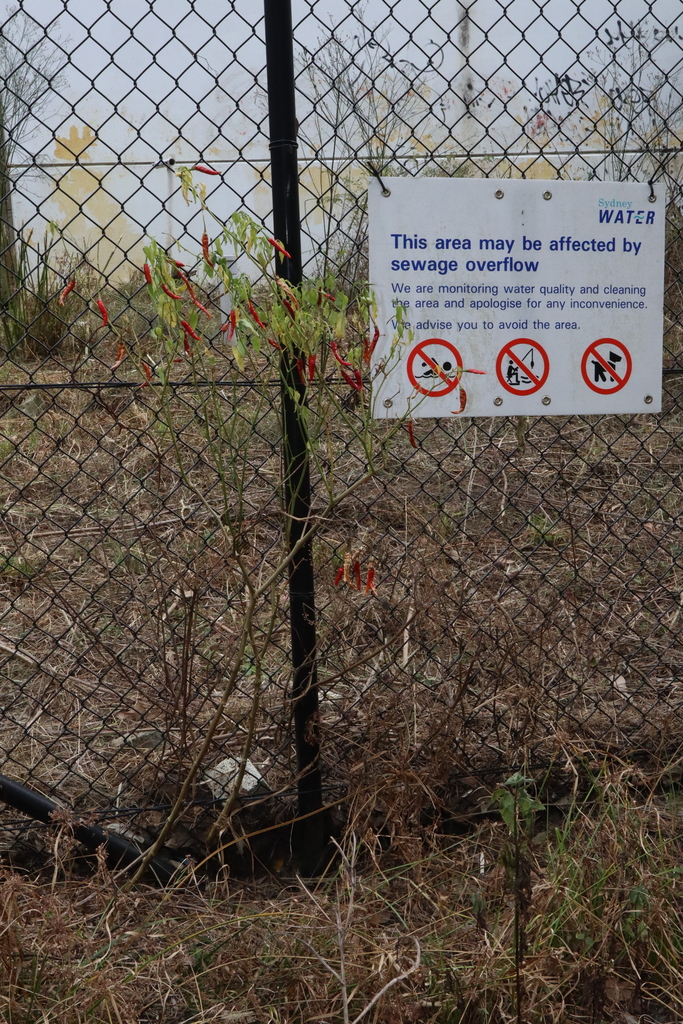
De un vistazo
- Nivel de cuidados
- Media
- Tipo de planta
- Vegetal
- Luz
- Pleno sol, al menos 6 a 8 horas al día.
- Luz en interior
- Sol directo
- Riego
- Cada 2 a 4 días
- Tamaño adulto
- 2 a 4 pies de alto
- Ritmo de crecimiento
- Rápido
- Rusticidad
- USDA 9 a 11
- Floración
- Finales de primavera a verano
Cuidados
Mantén la tierra consistentemente húmeda pero nunca empapada para prevenir la pudrición de las raíces. Observa si las hojas se ponen amarillas, lo que a menudo indica riego excesivo o deficiencia de nutrientes. Proporciona mucha calidez y circulación de aire para mantener tu planta feliz y productiva.
- Riego
- Riega profundamente cada vez que la pulgada superior de la tierra se sienta seca al tacto.
- Abonado
- Usa un fertilizante líquido equilibrado cada dos semanas durante la temporada de crecimiento activo.
- Poda
- Pinza las puntas de los tallos jóvenes para fomentar una forma más tupida y una mayor producción de frutos.
- Trasplante
- Si cultivas en maceta, renueva la tierra y trasplanta a una maceta ligeramente más grande una vez al año.
- Suelo
- Suelo franco, fértil y bien drenado.
- pH del suelo
- 6.0 a 6.8
- Temperatura
- 15 a 35°C
- Humedad
- 40 a 60%
- Tolerancia a la sequía
- Moderada
- Longevidad
- Perenne tierna, generalmente cultivada como anual
- Resistencia a ciervos y conejos
- Moderada
Señales de que necesita trasplante
- Raíces saliendo de los agujeros de drenaje
- El agua pasa directamente a través de la maceta
- Crecimiento atrofiado
Seguridad
- Personas
- La planta es generalmente segura, pero el fruto puede causar irritación severa en las membranas mucosas debido al contenido de capsaicina.
- Mascotas
- Esta planta generalmente se considera no tóxica para gatos y perros, aunque la ingestión de grandes cantidades puede causar malestar estomacal leve.
- Niños
- Mantén a los niños alejados de las variedades de pimientos picantes para prevenir irritación accidental en ojos o piel.
- Alérgenos por contacto
- El manejo de frutos de pimiento picante puede causar sensaciones de ardor o dermatitis en personas sensibles.
- Alérgenos en el aire
- El polvo seco de pimiento o los vapores de cocción pueden irritar el tracto respiratorio.
- Comestibilidad
- Lávate bien las manos después de manipular pimientos picantes para evitar transferir capsaicina a los ojos o a la piel sensible.
Cómo identificarla
- Hojas verdes brillantes en forma de lanza
- Flores blancas en forma de estrella
- Fruto carnoso hueco y con varias cámaras
- Tallos leñosos a medida que la planta madura
- Altura
- 0,3 a 0,9m
- Anchura
- 0,3 a 0,6m
- Hojas
- verde, caducifolio
- Flores
- blanco, 1 a 2cm
- Frutos
- verde, rojo, amarillo, naranja, Verano a otoño
Problemas a vigilar
- Podredumbre apicalComún
- PulgonesComún
- Babosas y caracolesPoco común
- Gusanos grisesPoco común
- OídioPoco común
- Oruga esfinge del tomatePoco común
- PulguillasPoco común
- Virus del mosaico del tabacoPoco común
Por síntoma
Revisa tu pimiento morrón con una foto
Pocket Botanist mira una foto de tu planta y te dice qué le pasa y qué probar primero.
Cómo cultivarla
- Propagación
- semilla
- Cuándo plantar
- primavera
- Cuidados en invierno
- En áreas propensas a heladas, lleva los contenedores al interior a un lugar brillante y cálido antes de la primera helada.
- En maceta
- Los pimientos crecen muy bien en contenedores, siempre que la maceta tenga al menos 30 centímetros de profundidad y tenga buen drenaje.
Siembra de semillas
- 1. Siembra las semillas en bandejas 8 semanas antes de la última helada.
- 2. Mantén la tierra caliente a 25 grados Celsius.
- 3. Trasplanta las plántulas al exterior una vez que las noches se mantengan por encima de 15 grados.
Plantar hierbas aromáticas cerca puede ayudar a enmascarar el olor de los pimientos de posibles plagas.
Buenas compañeras
Mantenla lejos de
- Hinojo de Florencia — El hinojo puede inhibir el crecimiento de muchos cultivos de hortalizas.
Especies parecidas
- Capsicum annuum grossum — Estos son cultivares estrechamente relacionados que comparten requisitos de cultivo similares.
Ciencia
- Familia
- Solanaceae
- Género
- Capsicum
- Orden
- Solanales
- Clase
- Magnoliopsida
- Distribución natural
- América Central y del Sur
- Conservación
- Esta especie es ampliamente cultivada y no es de preocupación para la conservación.
Prospera en ambientes cálidos y soleados con suelo bien drenado y depende de los insectos para la polinización.
- Valor para la fauna
- fuente de néctar
- Polinizadores
- abejas
- Usos
- culinario, ornamental, jardinería en contenedores
A lo largo del año
Indicadores ecológicos
- Salinidad
- 2/9
- Reacción del suelo
- 6/9
- Luz
- 8/9
- Temperatura
- 8/9
- Humedad
- 5/9
- Nutrientes
- 6/9
Taxonomía cotejada con GBIF.
Lo que más preguntan
- ¿Por qué mis pimientos no se ponen rojos?
- Muchas variedades requieren una temporada de crecimiento más larga para madurar completamente a su color final.
- ¿Puedo cultivar pimientos en interiores?
- Sí, siempre que tengas una ventana muy soleada o luces de cultivo adicionales.
De dónde viene el nombre
El nombre Capsicum proviene de la palabra griega kapto, que significa morder, en referencia al sabor picante del fruto.
Bueno saberlo
- Los pimientos son técnicamente bayas en términos botánicos.
- El picante de un pimiento se mide en Unidades de Calor Scoville.
- Los pimientos se domesticaron en México hace miles de años.
Que tu pimiento morrón siga creciendo
Esta página es una guía general. Guarda tu planta en Pocket Botanist y tendrás recordatorios de cuidado pensados para esta planta, además de un historial de cuidados que muestra qué ha funcionado.
Esta guía se ha generado con IA y se ha cotejado con la taxonomía de GBIF. Es información general, no asesoramiento botánico ni veterinario. Descubre cómo elaboramos estas guías.