 Pocket Botanist
Plant guide
Bald cypress.
Taxodium distichum
Pronounced tak-SOH-dee-um DIS-tih-kum
Also known as Bald Cypress, Bald Cypress, Swamp Cypress, White Cypress, Tidewater Red Cypress, Gulf Cypress, Red Cypress, Baldcypress, Louisiana-cypress, Marsh-cypress, Swamp Cypress, bald-cypress, swamp-cypress


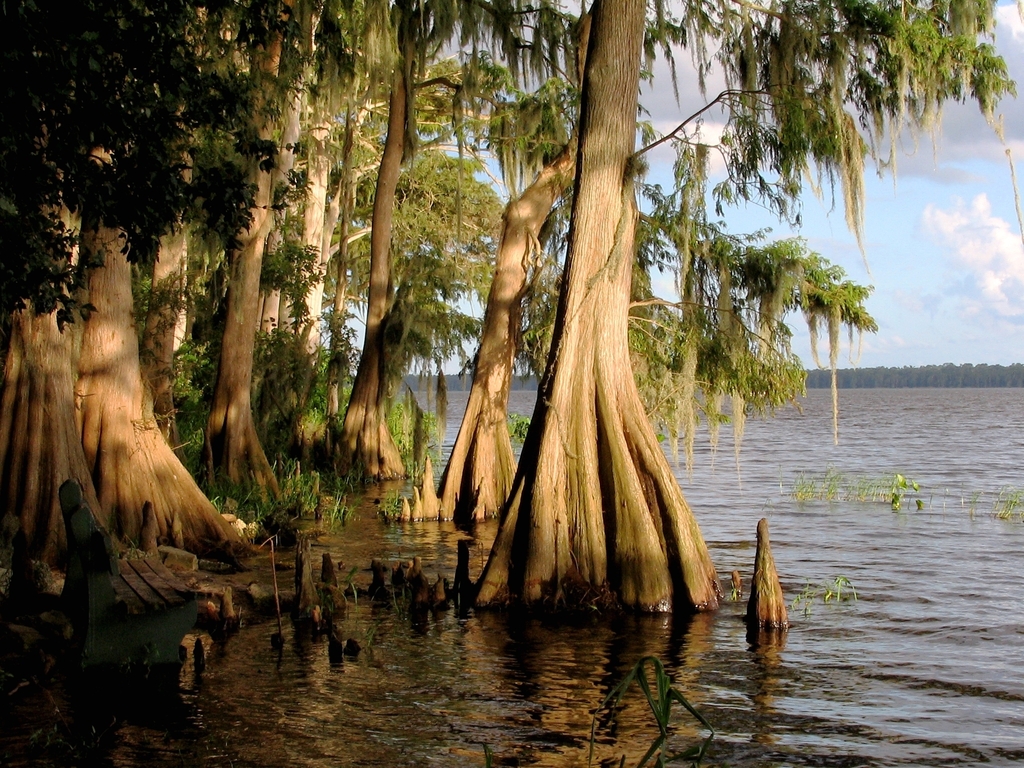
The bald cypress is a majestic deciduous conifer that loves wet, swampy areas. It is famous for its unique knees that poke up from the soil around the base. You will love how its soft, needle like foliage turns a beautiful copper color in the fall.

At a glance
- Care level
- Easy
- Plant type
- Coniferous tree
- Light
- Full sun
- Indoor light
- Direct sun
- Water
- Every 1 to 3 days
- Mature size
- 70 to 100 feet
- Growth rate
- Medium
- Hardiness
- USDA 4 to 10
- Bloom time
- Early to mid spring
Care
Keep the soil consistently moist, as this tree thrives in high humidity and wet conditions. Watch for yellowing needles which might suggest the soil is drying out too much. It is a very hardy tree that does not need much fuss once it is established.
- Watering
- Keep the soil very moist at all times.
- Feeding
- Apply a balanced fertilizer once in early spring.
- Pruning
- Prune only to remove dead or damaged branches during the dormant season.
- Repotting
- Repot only if you are growing it in a container and it becomes root bound.
- Soil
- Wet, acidic, sandy, or clay soils
- Soil pH
- Acidic to neutral
- Temperature
- -30 to 38°C
- Humidity
- 50 to 90%
- Drought tolerance
- Moderate
- Lifespan
- Long-lived, often exceeding 500 years.
- Deer and rabbits
- Moderate
Signs it needs repotting
- Roots circling the bottom of the pot
- Water draining through too quickly
- Stunted growth despite regular feeding
Safety
- People
- The plant is not considered toxic to humans.
- Children
- The hard, woody cones may pose a minor choking hazard if ingested by small children.
- Contact allergens
- The foliage can cause mild skin irritation in sensitive individuals.
- Airborne allergens
- The pollen is a common seasonal allergen.
- Edibility
- The cones are not considered edible for humans.
How to identify it
- Deciduous conifer needles
- Fibrous, reddish brown bark
- Distinctive woody root knees
- Small spherical seed cones
- Height
- 15 to 35m
- Spread
- 6 to 12m
- Leaves
- bright green, russet brown, deciduous
- Flowers
- yellow, green, 0.5 to 1.5cm
- Fruit
- brown, Autumn
Problems to watch for
- Spider MitesCommon
- Twig BlightCommon
- BagwormsUncommon
- ChlorosisUncommon
By symptom
Check your bald cypress from a photo
Pocket Botanist looks at a photo of your plant and tells you what's wrong and what to try first.
Growing it
- Propagation
- seed, cuttings
- When to plant
- Spring, Autumn
- Overwintering
- No special protection is needed as it is fully hardy. Simply ensure the soil remains moist if the winter is exceptionally dry.
- In containers
- It is not suitable for long term container growth due to its massive size.
Seed
- Collect cones in autumn when they turn brown.
- Soak seeds in water for 24 hours.
- Sow in moist, sandy soil and keep consistently wet.
Plant in groups to mimic natural swamp ecosystems and provide better wind protection.
Grows well with
- Buttonbush — They both thrive in the same wet, boggy soil conditions.
- Swamp Milkweed — This perennial enjoys the moist margins often found near cypress trees.
Similar species
- Dawn Redwood — It is another deciduous conifer with a similar habit and foliage.
Science
- Family
- Cupressaceae
- Genus
- Taxodium
- Order
- Pinales
- Class
- Pinopsida
- Native range
- Southeastern United States
- Conservation
- This species is secure and widely planted throughout its native range.
It is a flood-tolerant species that dominates swampy environments and river floodplains.
- Value to wildlife
- nesting site for birds, cover for aquatic wildlife
- Pollinators
- bees
- Uses
- ornamental shade tree, wetland restoration, timber production
Through the year
Ecological indicators
- Salinity
- 2/9
- Soil reaction
- 5/9
- Light
- 7/9
- Temperature
- 6/9
- Nutrients
- 5/9
- Moisture
- 8/9
Taxonomy resolved against GBIF.
Questions people ask
- Does it need to be in water?
- It thrives in wet soil but grows perfectly well in average garden soil.
- Why are my needles turning brown in autumn?
- This is perfectly normal as the tree is deciduous and prepares for winter dormancy.
Where the name comes from
The genus name Taxodium comes from the Greek word for yew, referring to the needle shape, while distichum describes the two-ranked arrangement of the needles.
Good to know
- It is one of the few conifers that loses its needles in winter.
- The wood is exceptionally resistant to rot and decay.
- It can live for over 600 years in ideal conditions.
- The knees are thought to help the tree stabilize in soft, muddy soil.
Keep your bald cypress growing
This page is a general guide. Save your plant in Pocket Botanist and you get care reminders timed for this plant, plus a care history that shows what worked.
This guide was generated with AI and checked against GBIF taxonomy. It is general information, not horticultural or veterinary advice. Read about how we build these guides.