 Pocket Botanist
Guía de plantas
Ciprés calvo.
Taxodium distichum
Pronunciación tack-SO-dee-um dis-TICK-um
También se conoce como Ciprés calvo, Ciprés calvo, Ciprés de pantano, Ciprés blanco, Ciprés rojo de la Costa del Golfo, Ciprés de Luisiana, Ciprés calvo, Ciprés de Luisiana, Ciprés de marisma, Ciprés de pantano, ciprés calvo, ciprés de pantano


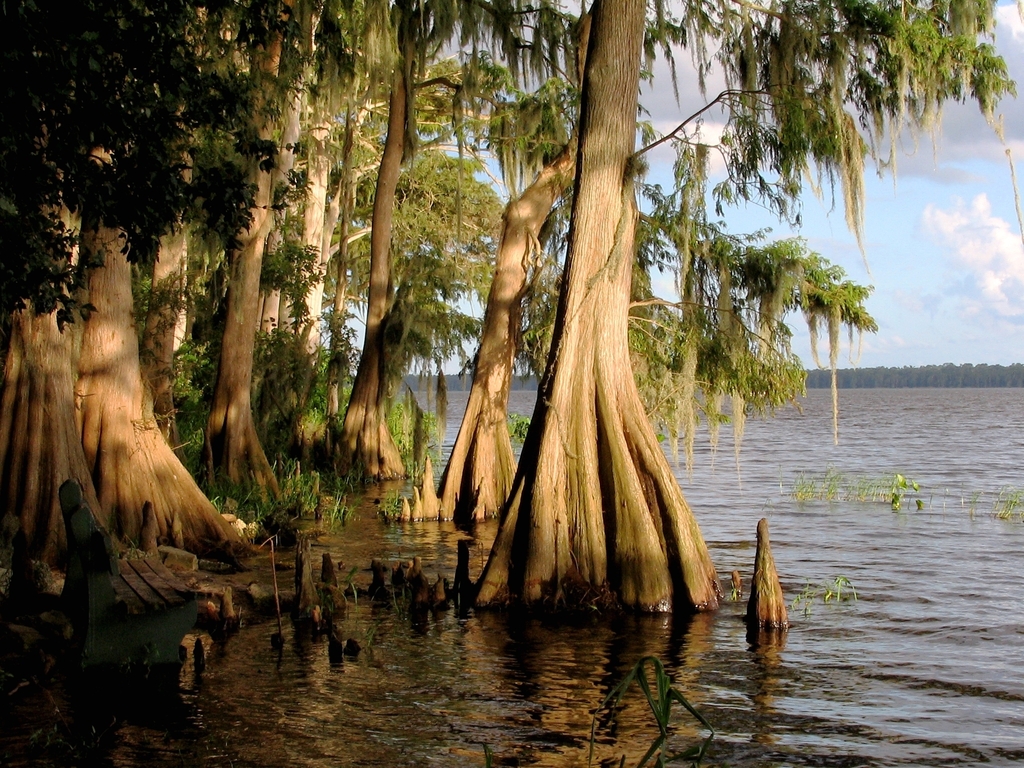
El ciprés calvo es una majestuosa conífera de hoja caduca conocida por su capacidad para prosperar en suelos húmedos y pantanosos. Desarrolla una forma cónica única y a menudo produce proyecciones leñosas llamadas rodillas cuando crece en el agua. Este árbol es una opción fantástica para grandes paisajes con áreas húmedas.

De un vistazo
- Nivel de cuidados
- Fácil
- Tipo de planta
- Conífera
- Luz
- Pleno sol
- Luz en interior
- Sol directo
- Riego
- Cada 1 a 7 días
- Tamaño adulto
- 20 a 35 metros
- Ritmo de crecimiento
- Medio
- Rusticidad
- USDA 4 a 10
- Floración
- Principios de primavera
Cuidados
Asegúrate de que la tierra se mantenga constantemente húmeda, ya que este árbol prefiere condiciones de humedad. Presta atención a las agujas amarillentas, que pueden indicar la necesidad de más agua o nutrientes específicos del suelo. La poda rara vez es necesaria, a menos que desees eliminar ramas muertas o dañadas.
- Riego
- Mantén la tierra constantemente húmeda o incluso saturada.
- Abonado
- Aplica un fertilizante equilibrado a principios de primavera si el crecimiento parece lento.
- Poda
- Poda durante la estación invernal latente para eliminar la madera muerta.
- Trasplante
- Trasplanta solo si se cultiva en maceta, aunque está mejor adaptado al suelo.
- Suelo
- Suelos húmedos, ácidos, arenosos o arcillosos
- pH del suelo
- Ácido a neutro
- Temperatura
- -30 a 38°C
- Humedad
- 50 a 90%
- Tolerancia a la sequía
- Moderada
- Longevidad
- Perenne, a menudo vive durante varios siglos.
- Resistencia a ciervos y conejos
- Moderada
Señales de que necesita trasplante
- Raíces que crecen por los agujeros de drenaje.
- El agua pasa directamente a través de la maceta sin absorberse.
- El árbol se ve atrofiado a pesar del riego regular.
Seguridad
- Personas
- No tiene toxicidad significativa para los humanos, aunque la resina puede ser pegajosa e irritante para la piel sensible.
- Niños
- Los conos leñosos pequeños podrían representar un peligro de asfixia si los tragan niños pequeños.
- Alérgenos por contacto
- La resina puede causar irritación leve de la piel en algunas personas.
- Alérgenos en el aire
- El polen puede ser un alérgeno moderado para las personas sensibles al polen de los árboles durante la primavera.
- Comestibilidad
- Los conos y el follaje no se consideran comestibles y pueden causar malestar digestivo si se ingieren.
Cómo identificarla
- Las agujas de hoja caduca se vuelven bronce en otoño
- Corteza fibrosa, de color marrón rojizo y que se desprende
- Hábito de crecimiento cónico cuando es joven
- Emergen rodillas leñosas del sistema radicular
- Conos de semillas pequeños, redondos y leñosos
- Altura
- 15 a 35m
- Anchura
- 6 a 12m
- Hojas
- verde, bronce, caducifolio
- Flores
- amarillo, verde, 0,5 a 1,5cm
- Frutos
- marrón, Otoño
Problemas a vigilar
- Araña rojaComún
- Tizón de las ramillasComún
- ClorosisPoco común
- Orugas de bolsaPoco común
- Agalla de ramita de ciprés — Se forman pequeñas agallas en las ramitas debido a la actividad de los insectos moscados, aunque rara vez dañan la salud general del árbol.
- Polilla de la punta del ciprés — Las larvas penetran en las puntas de las ramas, haciendo que se doren y mueran.
Por síntoma
Revisa tu ciprés calvo con una foto
Pocket Botanist mira una foto de tu planta y te dice qué le pasa y qué probar primero.
Cómo cultivarla
- Propagación
- semilla
- Cuándo plantar
- primavera, otoño
- Cuidados en invierno
- No se necesita ningún cuidado especial, ya que es completamente resistente y pierde naturalmente sus agujas para sobrevivir al invierno.
- En maceta
- Generalmente es demasiado grande para el crecimiento en contenedor a largo plazo, aunque los especímenes jóvenes se pueden mantener en macetas grandes durante unos años.
propagación por semillas
- Recolectar conos maduros en otoño.
- Secar los conos hasta que liberen sus semillas.
- Remojar las semillas en agua durante unos días para imitar las condiciones de los humedales.
- Sembrar las semillas en una mezcla de tierra arenosa y húmeda.
- Mantener la tierra constantemente húmeda hasta que ocurra la germinación.
Agrupa este árbol con otras plantas amantes de la humedad para crear un lecho de jardín de humedal cohesivo y saludable.
Buenas compañeras
- Cephalanthus — Comparten el amor por la tierra húmeda y proporcionan un excelente hábitat para la vida silvestre local.
- Asclepias de pantano — This perennial enjoys the moist margins often found near cypress trees.
Especies parecidas
- Secuoya de los Apeninos — Es otra conífera de hoja caduca que se ve muy similar pero carece de las icónicas rodillas.
Ciencia
- Familia
- Cupressaceae
- Género
- Taxodium
- Orden
- Pinales
- Clase
- Pinopsida
- Distribución natural
- Sureste de Estados Unidos, principalmente en humedales y a lo largo de las riberas de los ríos.
- Conservación
- Actualmente no se considera amenazado, pero las poblaciones silvestres se gestionan para proteger los hábitats de humedales.
Prospera en suelos saturados al desarrollar estructuras radiculares especializadas que le ayudan a anclarse en el barro e intercambiar gases.
- Valor para la fauna
- sitio de anidación, refugio para aves acuáticas
- Polinizadores
- abejas
- Usos
- espécimen ornamental, restauración de humedales, producción de madera
A lo largo del año
Indicadores ecológicos
- Salinidad
- 2/9
- Reacción del suelo
- 5/9
- Luz
- 7/9
- Temperatura
- 6/9
- Nutrientes
- 5/9
- Humedad
- 8/9
Taxonomía cotejada con GBIF.
Lo que más preguntan
- ¿Necesito un pantano para cultivarlo?
- En absoluto, en realidad crece bastante bien en tierra de jardín normal siempre que reciba suficiente agua.
- ¿Por qué mis agujas se vuelven marrones en otoño?
- Ese es un comportamiento perfectamente normal para esta conífera de hoja caduca.
De dónde viene el nombre
El nombre Taxodium proviene de la palabra griega para tejo, mientras que distichum se refiere a la disposición en dos filas de sus agujas.
Bueno saberlo
- Es famoso por desarrollar proyecciones leñosas llamadas rodillas que emergen de las raíces.
- La madera es excepcionalmente resistente a la putrefacción y se usaba históricamente para tejados y construcción de barcos.
- Puede vivir más de 500 años en condiciones ideales.
Que tu ciprés calvo siga creciendo
Esta página es una guía general. Guarda tu planta en Pocket Botanist y tendrás recordatorios de cuidado pensados para esta planta, además de un historial de cuidados que muestra qué ha funcionado.
Esta guía se ha generado con IA y se ha cotejado con la taxonomía de GBIF. Es información general, no asesoramiento botánico ni veterinario. Descubre cómo elaboramos estas guías.