 Pocket Botanist
Guía de plantas
Secuoya de los Apeninos.
Metasequoia glyptostroboides
Pronunciación met-uh-skwo-EE-uh glip-toh-stro-BOY-deez
También se conoce como Chinese redwood, Dawn Redwood, dawn-redwood, deciduous redwood


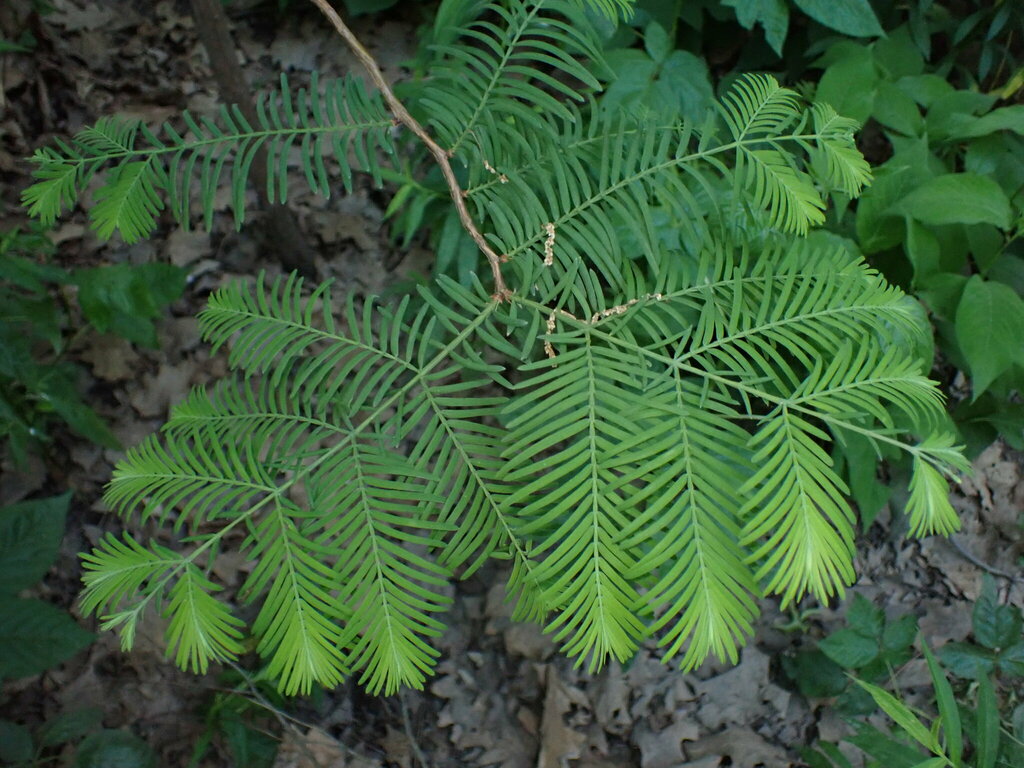
La secuoya de los Apeninos es una impresionante conífera de hoja caduca que alguna vez se creyó extinta. Presenta una hermosa forma piramidal y agujas suaves y plumosas que se vuelven de un rico bronce en otoño. Crece rápido y le encanta tener mucho espacio para extenderse.
De un vistazo
- Nivel de cuidados
- Fácil
- Tipo de planta
- Árbol
- Luz
- Sol pleno
- Luz en interior
- Sol directo
- Riego
- Cada 3 a 7 días
- Tamaño adulto
- 100 pies
- Ritmo de crecimiento
- Rápido
- Rusticidad
- USDA 5 a 9
- Floración
- Early spring
Cuidados
Mantén la tierra constantemente húmeda ya que este árbol prospera naturalmente en zonas húmedas. Vigila las agujas amarillas que a menudo indican que la tierra se está secando demasiado. Proporciona mucho espacio para que su gran sistema de raíces se expanda.
- Riego
- Mantén la tierra uniformemente húmeda en todo momento, especialmente durante los primeros años de crecimiento.
- Abonado
- Aplica un fertilizante equilibrado una vez a principios de primavera antes de que aparezca el nuevo crecimiento.
- Poda
- Poda solo para eliminar ramas muertas o dañadas durante la temporada dormente de invierno.
- Trasplante
- Trasplanta los árboles jóvenes cada pocos años si se mantienen en macetas.
- Suelo
- Tierra húmeda, bien drenada y ácida
- pH del suelo
- 5.0 a 6.5
- Temperatura
- -30 a 35°C
- Humedad
- 40 a 80%
- Tolerancia a la sequía
- Baja
- Longevidad
- Long-lived, often exceeding 100 years.
- Resistencia a ciervos y conejos
- Moderada
Señales de que necesita trasplante
- Roots circling the bottom of the pot.
- Stunted growth despite regular watering.
- Soil drying out too quickly.
Seguridad
- Personas
- There are no known toxic parts to this tree.
- Niños
- The small cones are a potential choking hazard for very young children.
- Alérgenos por contacto
- The needles can be slightly sharp but do not cause skin irritation.
- Alérgenos en el aire
- Pollen may cause mild seasonal allergies in sensitive individuals.
- Comestibilidad
- The foliage and cones are not considered edible for humans.
Cómo identificarla
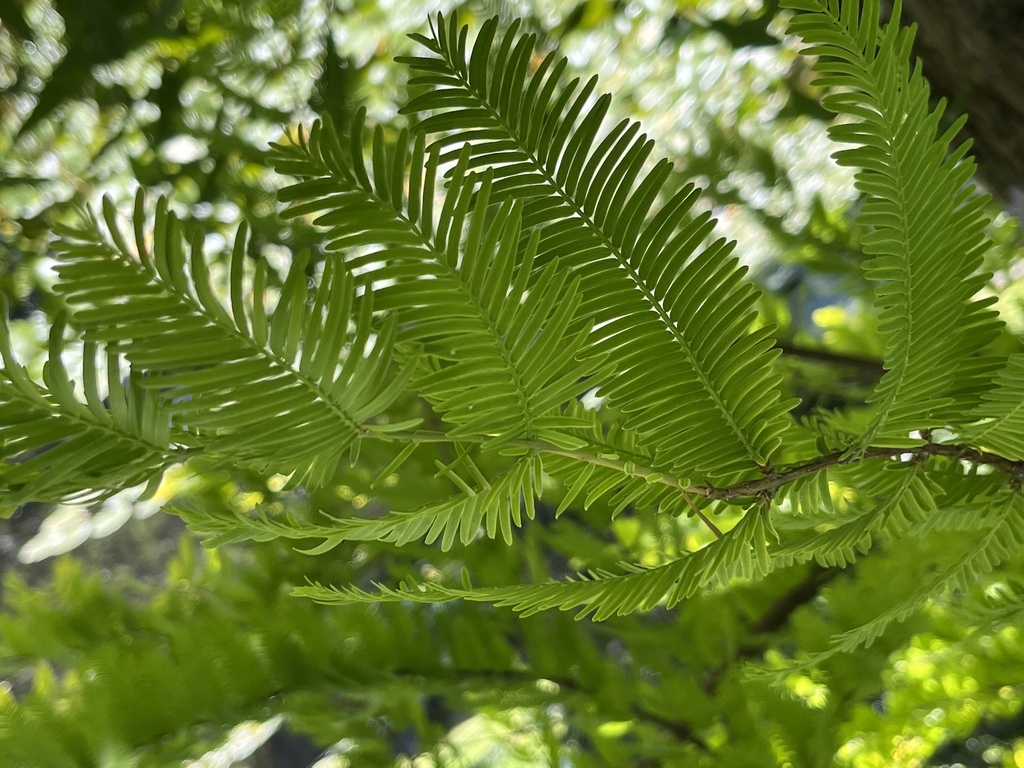
- Conífera de hoja caduca con agujas suaves
- Hábito de crecimiento piramidal
- Corteza fibrosa de color marrón rojizo
- Follaje verde brillante en verano
- Color bronce en otoño
- Altura
- 15 a 35m
- Anchura
- 6 a 12m
- Hojas
- bright green, bronze, orange, deciduous
- Flores
- yellow, green, 0,5 a 1cm
- Frutos
- brown, Autumn
Problemas frecuentes
- Japanese beetles — These beetles may feed on the foliage during summer months.
- Canker — Fungal infections can cause sunken lesions on the bark.
Cómo cultivarla
- Propagación
- seed, cuttings
- Cuándo plantar
- Spring, Autumn
- Cuidados en invierno
- No special protection is needed as it is fully hardy, but ensure the soil remains moist if the winter is dry.
- En maceta
- It is generally too large for long-term container growth, though young saplings can be kept in large pots for a few years.
Softwood Cuttings
- Take 15cm cuttings in early summer.
- Remove lower needles.
- Dip in rooting hormone.
- Place in moist perlite.
- Keep in a humid environment until rooted.
Plant moisture-loving groundcovers beneath to keep the soil cool and damp.
Buenas compañeras
- Western sword fern — They enjoy the same moist, shaded conditions provided by the canopy.
- Hosta — These shade-loving perennials thrive under the tree's light shade.
Especies parecidas
- Ciprés calvo — It shares the deciduous conifer habit and preference for wet soil.
- Sequoia sempervirens — It is a close relative but remains evergreen.
Ciencia
- Familia
- Cupressaceae
- Género
- Metasequoia
- Orden
- Pinales
- Clase
- Pinopsida
- Distribución natural
- Central China
- Conservación
- It is listed as endangered in the wild due to habitat loss.
It naturally inhabits moist valley bottoms and stream banks where it can access consistent water.
- Valor para la fauna
- provides nesting cover, seeds for birds
- Polinizadores
- abejas
- Usos
- ornamental specimen, wetland restoration, timber
A lo largo del año
Indicadores ecológicos
- Salinidad
- 1/9
- Reacción del suelo
- 5/9
- Luz
- 7/9
- Temperatura
- 5/9
- Humedad
- 8/9
- Nutrientes
- 5/9
Taxonomía cotejada con GBIF.
Lo que más preguntan
- Does it need a lot of water?
- Yes, it thrives in moist, well-draining soil and does not tolerate drought.
- Will it lose its needles in winter?
- Yes, the needles turn a lovely bronze color before dropping each autumn.
De dónde viene el nombre
The genus name refers to its similarity to Sequoia, while the species name means resembling Glyptostrobus.
Bueno saberlo
- It is often called the dawn redwood.
- The tree is a deciduous conifer, meaning it loses its needles in winter.
- It grows very quickly when provided with ample water.
- The bark develops a beautiful, fibrous texture as the tree ages.
¿Tu secuoya de los apeninos tiene mal aspecto?
Esta página es una guía general. Pocket Botanist diagnostica problemas a partir de una foto de tu propia planta, calcula el riego según tu luz y tus condiciones, y te avisa cuando toca cuidarla.
Esta guía se ha generado con IA y se ha cotejado con la taxonomía de GBIF. Es información general, no asesoramiento botánico ni veterinario. Descubre cómo elaboramos estas guías.