 Pocket Botanist
Plant guide
Dawn redwood.
Metasequoia glyptostroboides
Pronounced met-uh-skwo-EE-uh glip-toh-stro-BOY-deez
Also known as Chinese redwood, Dawn Redwood, dawn-redwood, deciduous redwood



Scan with your phone's camera to get the app
Or go to pocketbotanist.app/get on your phone
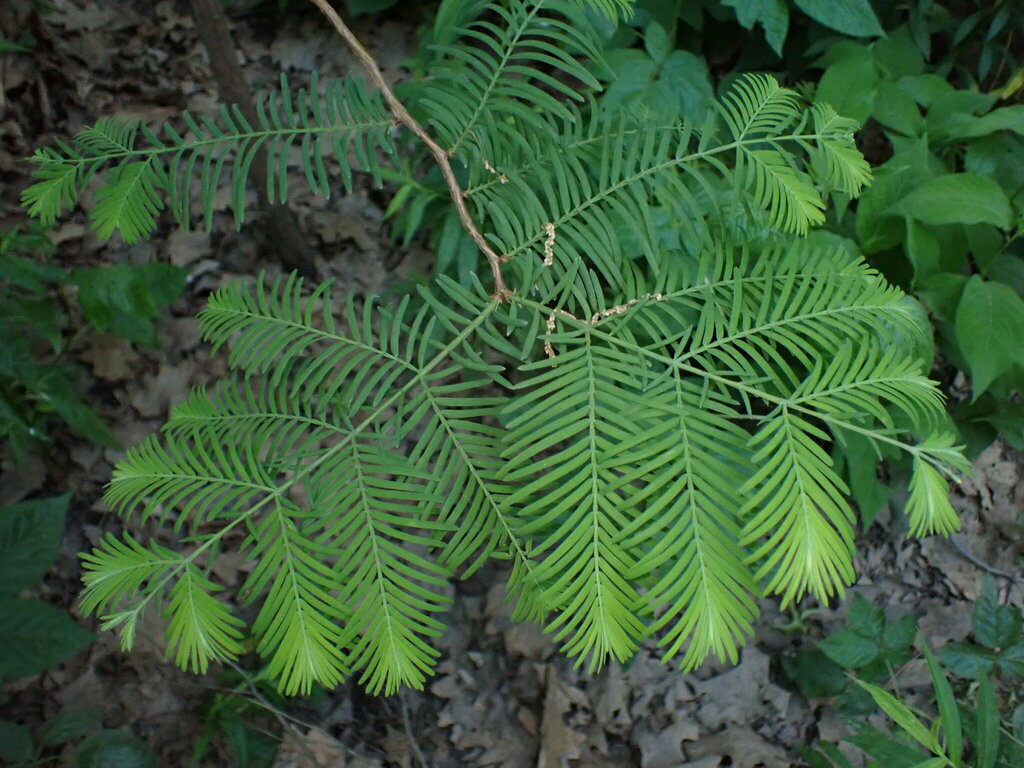
The dawn redwood is a stunning deciduous conifer that was once thought to be extinct. It features a beautiful pyramidal shape and soft, feathery needles that turn a rich bronze in the fall. It is a fast grower that loves plenty of space to spread out.
At a glance
- Care level
- Easy
- Plant type
- Tree
- Light
- Full sun
- Indoor light
- Direct sun
- Water
- Every 3 to 7 days
- Mature size
- 100 feet
- Growth rate
- Fast
- Hardiness
- USDA 5 to 9
- Bloom time
- Early spring
Care
Keep the soil consistently moist as this tree naturally thrives in wet areas. Watch for yellowing needles which often indicate the soil is drying out too much. Provide plenty of room for its large root system to expand.
- Watering
- Keep the soil evenly moist at all times, especially during the first few years of growth.
- Feeding
- Apply a balanced fertilizer once in early spring before new growth appears.
- Pruning
- Prune only to remove dead or damaged branches during the dormant winter season.
- Repotting
- Repot young trees every few years if they are being kept in containers.
- Soil
- Moist, well draining, acidic soil
- Soil pH
- 5.0 to 6.5
- Temperature
- -30 to 35°C
- Humidity
- 40 to 80%
- Drought tolerance
- Low
- Lifespan
- Long-lived, often exceeding 100 years.
- Deer and rabbits
- Moderate
Signs it needs repotting
- Roots circling the bottom of the pot.
- Stunted growth despite regular watering.
- Soil drying out too quickly.
Safety
- People
- There are no known toxic parts to this tree.
- Children
- The small cones are a potential choking hazard for very young children.
- Contact allergens
- The needles can be slightly sharp but do not cause skin irritation.
- Airborne allergens
- Pollen may cause mild seasonal allergies in sensitive individuals.
- Edibility
- The foliage and cones are not considered edible for humans.
How to identify it
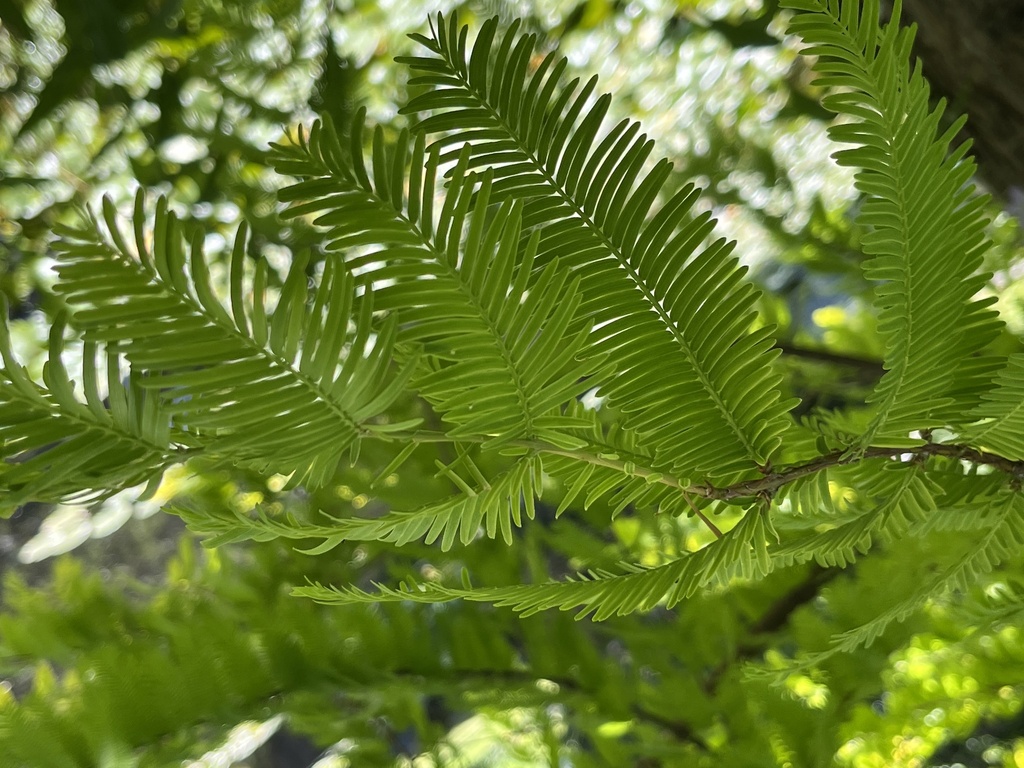
- Deciduous conifer with soft needles
- Pyramidal growth habit
- Reddish brown fibrous bark
- Bright green foliage in summer
- Bronze fall color
- Height
- 15 to 35m
- Spread
- 6 to 12m
- Leaves
- bright green, bronze, orange, deciduous
- Flowers
- yellow, green, 0.5 to 1cm
- Fruit
- brown, Autumn
Problems to watch for
- Japanese BeetlesCommon
- CankerUncommon
- Leaf ScorchUncommon
- Root RotUncommon
Check your dawn redwood from a photo
Pocket Botanist looks at a photo of your plant and tells you what's wrong and what to try first.
Scan with your phone's camera to get the app
Or go to pocketbotanist.app/get on your phone
Growing it
- Propagation
- seed, cuttings
- When to plant
- Spring, Autumn
- Overwintering
- No special protection is needed as it is fully hardy, but ensure the soil remains moist if the winter is dry.
- In containers
- It is generally too large for long-term container growth, though young saplings can be kept in large pots for a few years.
Softwood Cuttings
- Take 15cm cuttings in early summer.
- Remove lower needles.
- Dip in rooting hormone.
- Place in moist perlite.
- Keep in a humid environment until rooted.
Plant moisture-loving groundcovers beneath to keep the soil cool and damp.
Grows well with
Similar species
- Bald Cypress · It shares the deciduous conifer habit and preference for wet soil.
- Coast Redwood · It is a close relative but remains evergreen.
Science
- Family
- Cupressaceae
- Genus
- Metasequoia
- Order
- Pinales
- Class
- Pinopsida
- Native range
- Central China
- Conservation
- It is listed as endangered in the wild due to habitat loss.
It naturally inhabits moist valley bottoms and stream banks where it can access consistent water.
- Value to wildlife
- provides nesting cover, seeds for birds
- Pollinators
- bees
- Uses
- ornamental specimen, wetland restoration, timber
Through the year
Ecological indicators
- Salinity
- 1/9
- Soil reaction
- 5/9
- Light
- 7/9
- Temperature
- 5/9
- Moisture
- 8/9
- Nutrients
- 5/9
Taxonomy resolved against GBIF.
Questions people ask
- Does it need a lot of water?
- Yes, it thrives in moist, well-draining soil and does not tolerate drought.
- Will it lose its needles in winter?
- Yes, the needles turn a lovely bronze color before dropping each autumn.
Where the name comes from
The genus name refers to its similarity to Sequoia, while the species name means resembling Glyptostrobus.
Good to know
- It is often called the dawn redwood.
- The tree is a deciduous conifer, meaning it loses its needles in winter.
- It grows very quickly when provided with ample water.
- The bark develops a beautiful, fibrous texture as the tree ages.
Keep your dawn redwood growing
This page is a general guide. Save your plant in Pocket Botanist and you get care reminders timed for this plant, plus a care history that shows what worked.
Scan with your phone's camera to get the app
Or go to pocketbotanist.app/get on your phone
This guide was generated with AI on and checked against GBIF taxonomy. It is general information, not horticultural or veterinary advice. Read about how we build these guides.