 Pocket Botanist
Plant guide
Swamp milkweed.
Asclepias incarnata
Pronounced as-KLEE-pee-us in-kar-NAY-tuh
Also known as Pleurisy Root, Swamp Milkweed



Scan with your phone's camera to get the app
Or go to pocketbotanist.app/get on your phone
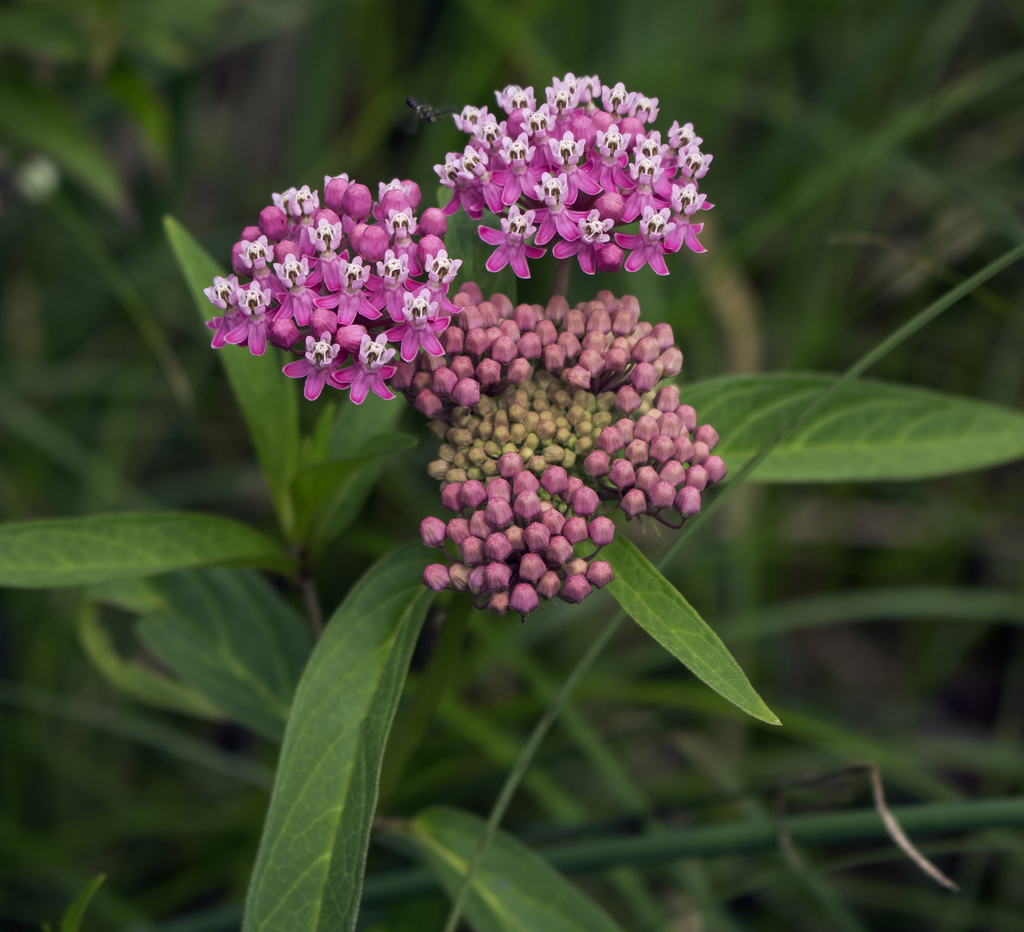
Swamp milkweed is a lovely native perennial that brings a splash of color to wet garden spots. It is a favorite for butterflies, especially monarchs, who rely on it for their life cycle. You will find it is quite hardy and easy to keep happy in the right conditions.

At a glance
- Care level
- Easy
- Plant type
- Perennial
- Light
- Full sun
- Indoor light
- Direct sun
- Water
- Every 1 to 3 days
- Mature size
- 3 to 5 feet
- Growth rate
- Medium
- Hardiness
- USDA 3 to 9
- Bloom time
- Mid to late summer
Care
Keep the soil consistently moist, as this plant naturally thrives in damp environments. Watch for aphids on the flower buds, which are common but usually harmless. Ensure it gets plenty of sun to keep the stems strong and upright.
- Watering
- Keep the soil evenly moist at all times.
- Feeding
- A light application of compost in spring is usually plenty.
- Pruning
- Cut the stems back to the ground in late winter or early spring.
- Repotting
- Divide the root clumps every few years to keep the plant vigorous.
- Soil
- Moist to wet soil
- Soil pH
- 6.0 to 7.0
- Temperature
- -30 to 35°C
- Humidity
- 40 to 80%
- Drought tolerance
- Low
- Lifespan
- Perennial, typically 5 to 10 years
- Fragrance
- Strong
- Deer and rabbits
- High
Signs it needs repotting
- Roots growing out of the drainage holes.
- Water draining through the pot too quickly.
- Stunted growth during the active season.
Safety
- People
- All parts of the plant are toxic if ingested due to the presence of cardiac glycosides.
- Pets
- This plant is toxic to cats and dogs if ingested.
- Children
- Keep children away from the plant as the milky sap is an irritant and the foliage is toxic if eaten.
- Contact allergens
- The milky sap can cause skin irritation in sensitive individuals.
- Airborne allergens
- The pollen is not considered a major allergen.
- Edibility
- The plant contains cardiac glycosides and should not be ingested by humans or pets.
How to identify it
- Clusters of fragrant pink flowers
- Lance shaped opposite leaves
- Upright branching stems
- Milky white sap in stems
- Seed pods split open when ripe
- Height
- 0.9 to 1.5m
- Spread
- 0.3 to 0.6m
- Leaves
- green, deciduous
- Flowers
- pink, mauve, white, 1 to 1.5cm
- Fruit
- brown, Autumn
Problems to watch for
- AphidsCommon
- Milkweed BugsCommon
- Leaf SpotUncommon
- RustUncommon
Check your swamp milkweed from a photo
Pocket Botanist looks at a photo of your plant and tells you what's wrong and what to try first.
Scan with your phone's camera to get the app
Or go to pocketbotanist.app/get on your phone
Growing it
- Propagation
- seed, division
- When to plant
- Spring, Autumn
- Overwintering
- Cut the stems back to the ground in late autumn or early winter after the foliage has died back. No special protection is needed as it is very cold hardy.
- In containers
- It grows well in large pots that can hold moisture, but ensure the pot is at least 30 cm deep.
Seed
- 1. Collect seeds in autumn.
- 2. Store seeds in a cold, dry place.
- 3. Sow seeds in pots in early spring.
- 4. Keep soil moist until germination.
Division
- 1. Dig up the plant in early spring.
- 2. Carefully separate the root clump.
- 3. Replant divisions immediately.
- 4. Water thoroughly.
Plant in groups of three or more to create a strong visual impact and better support pollinators.
Grows well with
- Joe Pye Weed · They share similar moisture needs and provide a great height contrast.
- Blue Flag Iris · Both thrive in the wet conditions of a rain garden.
Similar species
- Common Milkweed · It is a related species but spreads aggressively via rhizomes.
- Butterfly Weed · It is a related species that prefers much drier soil.
Science
- Family
- Apocynaceae
- Genus
- Asclepias
- Order
- Gentianales
- Class
- Magnoliopsida
- Native range
- North America
- Conservation
- This species is secure throughout most of its native range.
It grows naturally in marshes and along stream banks where it provides essential food for monarch larvae.
- Value to wildlife
- larval host plant, nectar source
- Pollinators
- bees, butterflies, moths, hummingbirds
- Uses
- pollinator garden, rain garden, meadow planting, cut flowers
Through the year
Ecological indicators
- Salinity
- 2/9
- Soil reaction
- 6/9
- Light
- 7/9
- Temperature
- 5/9
- Moisture
- 8/9
- Nutrients
- 5/9
Taxonomy resolved against GBIF.
Questions people ask
- Does it need a lot of water?
- Yes, it prefers consistently moist to wet soil.
- Will it spread aggressively?
- No, it grows in clumps and does not spread by underground runners.
Where the name comes from
The genus name honors Asclepius, the Greek god of medicine, while the species name means flesh colored.
Good to know
- It is also known as swamp milkweed because it thrives in wet soil.
- The flowers have a lovely vanilla scent.
- It is much better behaved in garden beds than common milkweed.
- The seed pods split open to release silky seeds carried by the wind.
Also in
Keep your swamp milkweed growing
This page is a general guide. Save your plant in Pocket Botanist and you get care reminders timed for this plant, plus a care history that shows what worked.
Scan with your phone's camera to get the app
Or go to pocketbotanist.app/get on your phone
This guide was generated with AI on and checked against GBIF taxonomy. It is general information, not horticultural or veterinary advice. Read about how we build these guides.