 Pocket Botanist
Plant guide
Black raspberry.
Rubus occidentalis
Pronounced ROO-bus ok-si-den-TAL-iss
Also known as Black Raspberry, Blackcap, Thimbleberry



Scan with your phone's camera to get the app
Or go to pocketbotanist.app/get on your phone
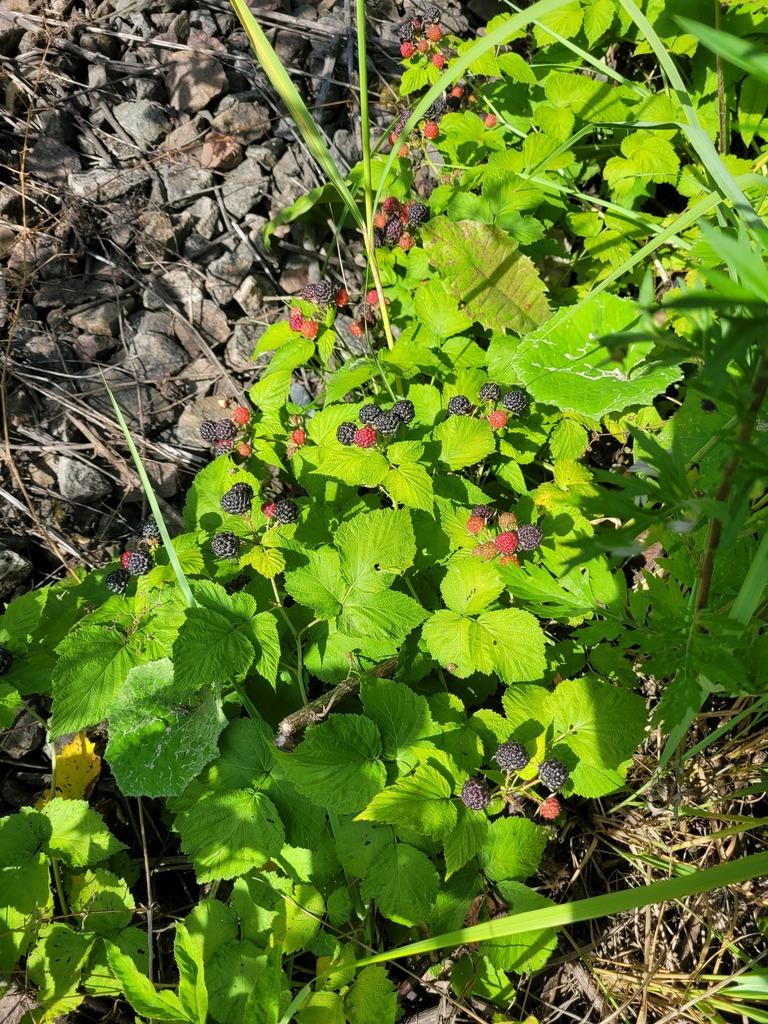
The black raspberry is a delightful native shrub known for its sweet, dark berries. It grows in arching canes that often root where they touch the ground. You will love having this productive plant in your garden.
At a glance
- Care level
- Easy
- Plant type
- Deciduous shrub
- Light
- Full sun
- Indoor light
- Direct sun
- Water
- Every 5 to 10 days
- Mature size
- 3 to 5 feet
- Growth rate
- Fast
- Hardiness
- USDA 3 to 8
- Bloom time
- Late spring
Care
Plant in a sunny spot with well draining soil to keep the roots happy. Watch for wilting or yellowing leaves which can signal poor drainage or fungal issues. Prune back old canes after harvest to encourage new growth for the next season.
- Watering
- Keep the soil consistently moist but never soggy.
- Feeding
- Apply a balanced fertilizer in early spring before new growth starts.
- Pruning
- Remove spent canes immediately after the summer harvest.
- Repotting
- These are best grown in the ground, but if container grown, refresh the soil every few years.
- Soil
- Loamy, well draining soil
- Soil pH
- 5.5 to 7.0
- Temperature
- -35 to 35°C
- Humidity
- 40 to 70%
Safety
- People
- The plant is non-toxic, but the sharp prickles on the stems can cause skin irritation.
- Children
- The sharp thorns on the canes pose a significant scratching risk to small children playing nearby.
- Contact allergens
- Handling the stems without gloves can lead to scratches and minor skin irritation from the prickles.
- Airborne allergens
- The pollen may cause mild reactions in sensitive individuals during the flowering season.
- Edibility
- Always identify wild berries with absolute certainty before consuming them.
How to identify it
- Arching canes with white bloom
- Compound leaves with three leaflets
- Small white flowers in clusters
- Dark purple to black fruit
- Prickly stems with curved thorns
- Height
- 0.9 to 1.8m
- Spread
- 0.9 to 2.4m
- Leaves
- green, deciduous
- Flowers
- white, 1 to 2cm
- Fruit
- black, Mid summer
Problems to watch for
- Anthracnose · A fungal infection causing purple spots on the canes.
- Raspberry Cane Borer · Larvae tunnel into the canes causing wilting tips.
Check your black raspberry from a photo
Pocket Botanist looks at a photo of your plant and tells you what's wrong and what to try first.
Scan with your phone's camera to get the app
Or go to pocketbotanist.app/get on your phone
Growing it
- Propagation
- cuttings, layering, seed
- When to plant
- spring, autumn
Planting aromatic herbs nearby can help mask the scent of the berries from hungry garden pests.
Grows well with
Keep away from
- Potato · They share similar soil pathogens that can cause root rot.
Similar species
- Red Raspberry · It has similar growth habits but produces red fruit.
- Blackberry · It has larger, more vigorous canes and different fruit structure.
Science
- Family
- Rosaceae
- Genus
- Rubus
- Order
- Rosales
- Class
- Magnoliopsida
- Native range
- Eastern and central North America.
- Conservation
- This species is common and stable across its native range.
It thrives in disturbed areas and forest edges where it can quickly colonize open ground.
- Value to wildlife
- nectar source, nesting cover, food for birds
- Pollinators
- bees, butterflies, beetles
- Uses
- culinary fruit, wildlife habitat, hedgerow plant
Through the year
Ecological indicators
- Salinity
- 1/9
- Soil reaction
- 6/9
- Light
- 7/9
- Temperature
- 5/9
- Moisture
- 5/9
- Nutrients
- 5/9
Taxonomy resolved against GBIF.
Questions people ask
- How do I know when to harvest?
- Pick the berries when they turn from red to a dull, deep black and pull away easily from the stem.
- Do I need to prune them?
- Yes, remove the old canes that have already fruited in late summer to encourage new growth.
Where the name comes from
The name Rubus comes from the Latin word for red, while occidentalis means western, referring to its North American origin.
Good to know
- Black raspberries are often called black caps.
- They contain high levels of antioxidants compared to other berries.
- The canes are biennial, meaning they grow one year and fruit the next.
- Native Americans used the roots for medicinal teas.
Keep your black raspberry growing
This page is a general guide. Save your plant in Pocket Botanist and you get care reminders timed for this plant, plus a care history that shows what worked.
Scan with your phone's camera to get the app
Or go to pocketbotanist.app/get on your phone
This guide was generated with AI on and checked against GBIF taxonomy. It is general information, not horticultural or veterinary advice. Read about how we build these guides.