 Pocket Botanist
Plant guide
Avocado.
Persea americana
Pronounced pur-SEE-uh uh-mer-ih-KAH-nuh
Also known as Avocado, Avocado, Alligator pear, Avocado pear



Scan with your phone's camera to get the app
Or go to pocketbotanist.app/get on your phone
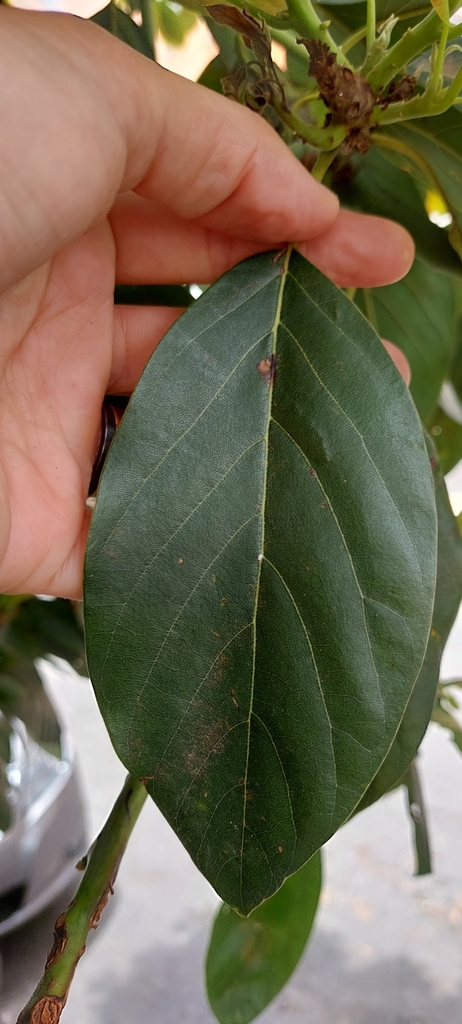
The avocado is a beautiful, fast growing tropical tree that makes a fun indoor project. It thrives in warm, sunny spots and adds a lush, jungle feel to your home. While it rarely fruits indoors, its glossy, deep green leaves are quite lovely.
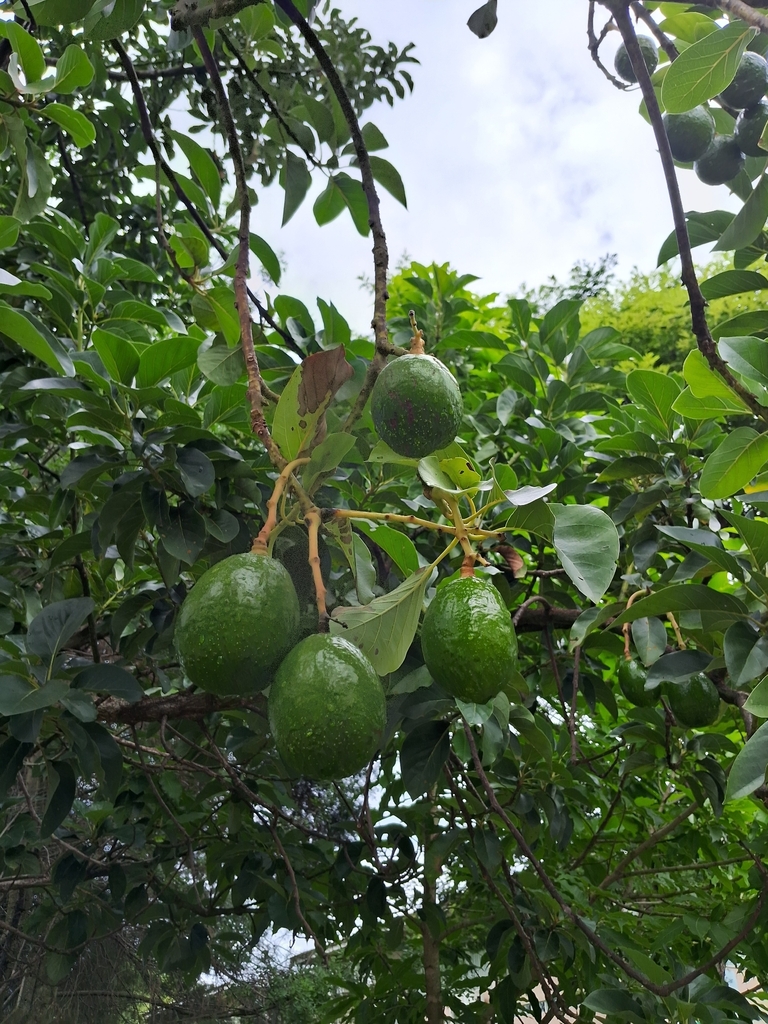
At a glance
- Care level
- Moderate
- Plant type
- Tropical evergreen tree
- Light
- Full sun to partial shade
- Indoor light
- Bright indirect
- Water
- Every 5 to 10 days
- Mature size
- 6 to 10 feet indoors
- Growth rate
- Fast
- Hardiness
- USDA 9 to 11
- Bloom time
- Early to mid spring
Care
Keep your tree in a warm spot with plenty of bright light to prevent it from getting leggy. Watch for yellowing leaves, which often signal that the soil is staying too wet. If the leaf tips turn brown, it might need higher humidity or a flush of the soil to remove salt buildup.
- Watering
- Water deeply when the top two inches of soil feel dry to the touch.
- Feeding
- Feed with a balanced liquid fertilizer during the active growing season.
- Pruning
- Pinch back the growing tips to encourage a bushier, more compact shape.
- Repotting
- Move to a larger pot once the roots begin to circle the bottom of the container.
- Soil
- Well draining, sandy loam
- Soil pH
- 6.0 to 7.0
- Temperature
- 10 to 35°C
- Humidity
- 60 to 80%
- Drought tolerance
- Low
- Lifespan
- Perennial, typically 50 plus years
- Fragrance
- Light
- Deer and rabbits
- Moderate
Signs it needs repotting
- Roots growing out of the drainage holes.
- Water running straight through the pot without soaking in.
- Stunted growth despite regular feeding.
Safety
- People
- The fruit flesh is safe for humans, but other parts of the plant may cause mild gastrointestinal upset.
- Pets
- The leaves, fruit, and bark contain persin, which can be toxic to cats and dogs if ingested.
- Children
- The large, hard seed poses a significant choking hazard to small children.
- Contact allergens
- Some individuals may experience skin irritation from handling the sap or leaves.
- Airborne allergens
- Pollen from avocado trees can trigger seasonal allergies in sensitive individuals.
- Edibility
- The leaves, bark, and skin of the fruit contain persin, which can be toxic to birds and some mammals if ingested in large quantities.
How to identify it
- Large, glossy, dark green leaves
- Prominent central leaf vein
- Woody, upright central stem
- New growth often reddish tinted
- Height
- 4.5 to 18m
- Spread
- 3 to 10m
- Leaves
- dark green, glossy, evergreen
- Flowers
- yellowish green, 0.5 to 1cm
- Fruit
- green, purple, black, Fall to winter
Problems to watch for
- Persea MitesCommon
- PhytophthoraCommon
- Root RotCommon
- Tip BurnCommon
- AnthracnoseUncommon
- ChlorosisUncommon
- Scale InsectsUncommon
- ThripsUncommon
Check your avocado from a photo
Pocket Botanist looks at a photo of your plant and tells you what's wrong and what to try first.
Scan with your phone's camera to get the app
Or go to pocketbotanist.app/get on your phone
Growing it
- Propagation
- seed, grafting
- When to plant
- spring
- Overwintering
- Protect from frost by covering with horticultural fleece or moving containers indoors to a bright, cool location.
- In containers
- They can grow in large containers, but require a pot at least 60 centimeters wide and deep to thrive long term.
Seed germination
- Clean the seed thoroughly.
- Insert three toothpicks around the middle and suspend over a glass of water.
- Change the water weekly until roots and a stem appear.
- Transplant into soil once the stem is 15 centimeters tall.
Planting nitrogen fixing ground covers beneath the canopy helps support the tree's heavy nutrient needs.
Grows well with
Similar species
- Bay Laurel · It shares similar evergreen foliage and belongs to the same family.
Science
- Family
- Lauraceae
- Genus
- Persea
- Order
- Laurales
- Class
- Magnoliopsida
- Native range
- Mexico and Central America
- Conservation
- Not currently of conservation concern.
It thrives in tropical and subtropical climates with deep, well drained soils.
- Value to wildlife
- nectar source
- Pollinators
- bees
- Uses
- culinary fruit, ornamental shade tree, oil production
Through the year
Ecological indicators
- Salinity
- 2/9
- Soil reaction
- 6/9
- Light
- 8/9
- Temperature
- 8/9
- Moisture
- 6/9
- Nutrients
- 7/9
Taxonomy resolved against GBIF.
Questions people ask
- Can I grow an avocado from a grocery store pit?
- Yes, but the resulting tree may take over a decade to fruit and the fruit quality is often unpredictable.
- Do I need two trees to get fruit?
- While some varieties are self fertile, planting two different types of avocado trees often improves yield.
Where the name comes from
The genus name Persea comes from an ancient Greek name for an Egyptian tree, while the species name americana refers to its origin in the Americas.
Good to know
- Avocados do not ripen on the tree and only begin to soften after harvest.
- The name avocado comes from the Aztec word ahuacatl, which also means testicle.
- They are a high source of monounsaturated fats.
- Avocados were once known as alligator pears due to their bumpy skin.
Also in
Keep your avocado growing
This page is a general guide. Save your plant in Pocket Botanist and you get care reminders timed for this plant, plus a care history that shows what worked.
Scan with your phone's camera to get the app
Or go to pocketbotanist.app/get on your phone
This guide was generated with AI on and checked against GBIF taxonomy. It is general information, not horticultural or veterinary advice. Read about how we build these guides.