 Pocket Botanist
Plant guide
Oleander.
Nerium oleander
Pronounced NEER-ee-um oh-lee-AN-der
Also known as Ceylone Rose, Ceylonrose, Ceylons Rose, Dog-Bane, Double Oleander, Oleander, Rose Laurel, Rosebay


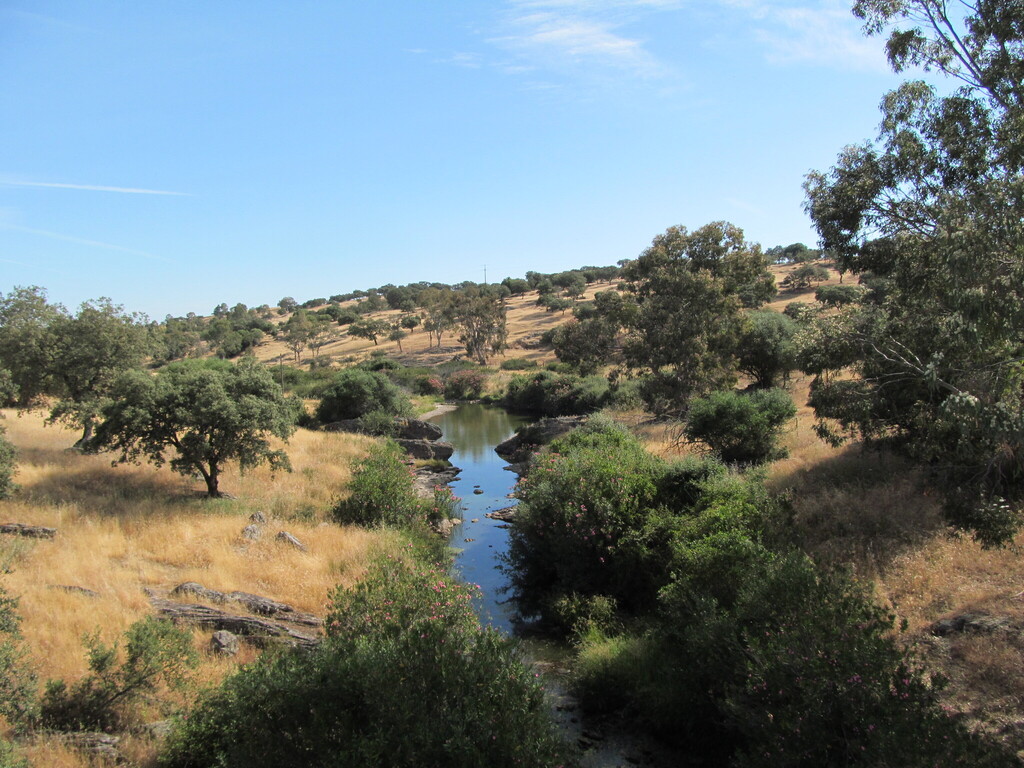
Oleander is a stunning, evergreen shrub known for its vibrant, long lasting blooms. It thrives in warm climates and is quite drought tolerant once established. Please handle with care, as every part of this plant is highly toxic if ingested.
At a glance
- Care level
- Easy
- Plant type
- Evergreen shrub
- Light
- Full sun
- Indoor light
- direct
- Water
- Every 7 to 14 days
- Mature size
- 3 to 6 meters
- Growth rate
- fast
- Hardiness
- USDA 8 to 10
- Bloom time
- Late spring to early autumn
Care
Provide plenty of direct sunlight and well draining soil to keep your plant happy. Watch for yellowing leaves or stunted growth, which may indicate poor drainage or nutrient deficiency. Always wear gloves when pruning to avoid contact with the toxic sap.
- Watering
- Water deeply but allow the soil to dry out between sessions.
- Feeding
- Apply a balanced fertilizer during the active growing season.
- Pruning
- Prune after flowering to maintain shape and encourage bushier growth.
- Repotting
- Repot when the plant becomes root bound in its container.
- Soil
- Well draining, loamy soil
- Soil pH
- 6.0 to 8.0
- Temperature
- -7 to 40°C
- Humidity
- 20 to 50%
- Drought tolerance
- high
- Lifespan
- Perennial, typically 20 to 50 years.
- Fragrance
- light
- Deer and rabbits
- high
Signs it needs repotting
- Roots growing out of the drainage holes.
- Water running straight through the pot without soaking in.
- Stunted growth despite regular care.
Safety
- People
- The plant contains cardiac glycosides that are dangerous to humans and pets if consumed.
- Pets
- This plant is extremely toxic to cats and dogs if ingested.
- Children
- Keep this plant away from children as even a small amount of leaf ingestion can be fatal.
- Contact allergens
- The milky sap can cause significant skin irritation or dermatitis upon contact.
- Airborne allergens
- The smoke from burning oleander wood is toxic and can cause respiratory distress.
- Edibility
- All parts of this plant are highly toxic if ingested and can cause severe cardiac distress or death.
How to identify it
- Narrow, leathery, lance shaped dark green leaves
- Clusters of showy, five petaled flowers
- Upright, multi stemmed woody growth habit
- Milky sap present in stems and leaves
- Height
- 2 to 6m
- Spread
- 1.5 to 3m
- Leaves
- dark green, evergreen
- Flowers
- pink, white, red, yellow, 3 to 8cm
Common problems
- Oleander aphid — These bright yellow insects cluster on new growth and secrete sticky honeydew.
- Oleander leaf scorch — A bacterial infection that causes leaves to yellow and die back from the tips.
Growing it
- Propagation
- cuttings
- When to plant
- spring, autumn
- Overwintering
- Move containers indoors before the first frost. In the ground, provide a thick layer of mulch around the base to protect roots in colder climates.
- In containers
- It grows well in large containers, provided the pot is at least 15 to 20 gallons to accommodate its root system.
Stem cuttings
- Take a 6 inch cutting from a non flowering stem.
- Remove the lower leaves.
- Place the cutting in a jar of water or moist potting mix.
- Keep in bright, indirect light until roots form.
- Transplant into a permanent pot once roots are established.
Pair this shrub with other Mediterranean plants that thrive in full sun and require minimal supplemental irrigation.
Grows well with
Similar species
- Desert Rose — It shares a similar toxic nature and succulent growth habit.
Science
- Family
- Apocynaceae
- Genus
- Nerium
- Order
- Gentianales
- Class
- Magnoliopsida
- Native range
- Mediterranean basin and parts of Asia.
- Conservation
- Not of conservation concern, though it is considered an invasive weed in some regions.
It naturally grows along riverbeds and in dry, rocky areas where it can access deep groundwater.
- Value to wildlife
- nectar source
- Pollinators
- bees, butterflies, moths
- Uses
- ornamental shrub, privacy screen, drought tolerant landscaping
Through the year
Ecological indicators
- Salinity
- 5/9
- Soil reaction
- 6/9
- Light
- 8/9
- Temperature
- 7/9
- Moisture
- 3/9
- Nutrients
- 3/9
Taxonomy resolved against GBIF.
Questions people ask
- Is oleander safe for pets?
- No, it is highly toxic to dogs, cats, and horses.
- Can I plant it near a vegetable garden?
- It is best to keep it away to avoid any risk of accidental ingestion or cross contamination.
Where the name comes from
The name Nerium comes from the Greek word for water, referring to its natural habitat near streams, while oleander is a medieval Latin name.
Good to know
- Oleander is extremely drought tolerant once established.
- It thrives in poor soil conditions where other plants struggle.
- The plant has been used in literature as a symbol of danger hidden in beauty.
- It is salt tolerant, making it a common sight in coastal gardens.
Is your oleander looking unwell?
This page is a general guide. Pocket Botanist diagnoses problems from a photo of your actual plant, works out watering for your light and conditions, and reminds you when care is due.
This guide was generated with AI and checked against GBIF taxonomy. It is general information, not horticultural or veterinary advice. Read about how we build these guides.