 Pocket Botanist

Check these first
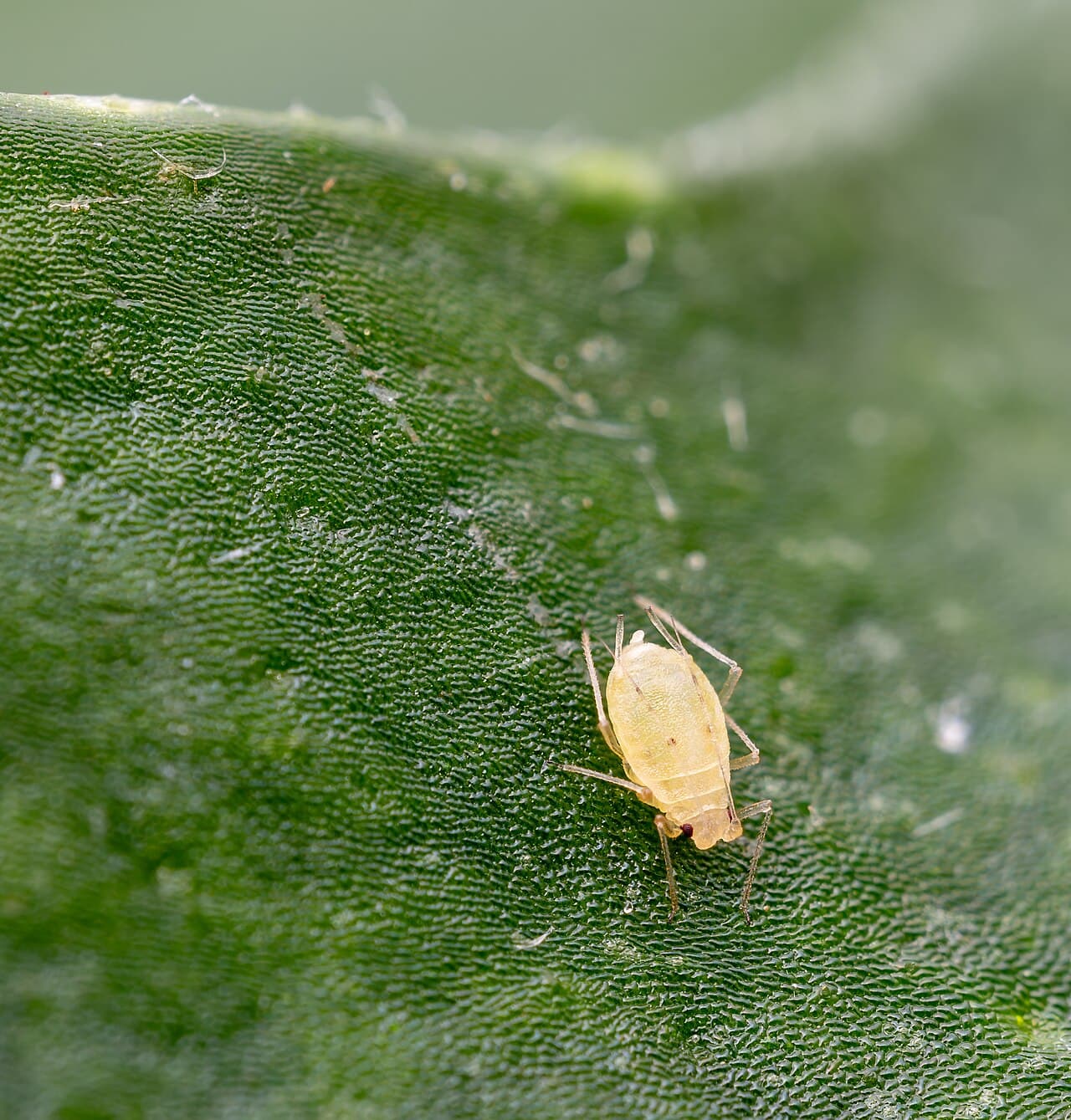
- Inspect the tips of new growth for clusters of yellow insects.
- Check the undersides of leaves for sticky residue.
- Look for small brown bumps on the stems.
Likely causes
Oleander Aphids
Most likelyHow to tell: Look for clusters of tiny yellow insects on the underside of leaves or near flower buds. You might also see a shiny, sticky residue on the leaves.
What to do: Blast the aphids off with a strong stream of water from your garden hose. If they persist, apply insecticidal soap directly to the bugs every 5 to 7 days until they are gone.
Scale Insects
PossibleHow to tell: These look like small, hard brown bumps on the stems or leaf veins. They do not move and are often mistaken for part of the plant.
What to do: Scrape them off gently with a soft brush or fingernail. Apply neem oil to the affected areas once a week for 3 weeks to catch any remaining eggs.
Find out what's wrong with your oleander
The list above covers the usual causes. Pocket Botanist looks at a photo of your actual plant and tells you the likely cause, how serious it is, and what to try first. Identification and a health check are free.



Scan with your phone's camera to get the app
Or go to pocketbotanist.app/get on your phone
When to worry
A few aphids are normal, but if they cover the entire plant and cause stunted growth, you need to act. It is rarely fatal, but it makes the plant look messy.
Stopping it coming back
Keep your oleander healthy with proper sun and water, as stressed plants attract more pests. Check your plant weekly during the spring and summer.
Oleander: pests? Check yours with a photo
Every plant is a little different. Take a photo of your oleander and Pocket Botanist tells you which cause is most likely, how serious it is, and what to try first. A few checks a day are free. Save the plant and you get care reminders timed for it.
Scan with your phone's camera to get the app
Or go to pocketbotanist.app/get on your phone
Get the app · Or check it from a photo now, free
Questions people ask
- Are these bugs harmful to me?
- The aphids themselves are not harmful to touch, but remember that all parts of the oleander plant are toxic if ingested. Always wash your hands after handling the plant.
- Will the sticky honeydew hurt my plant?
- The honeydew can lead to sooty mold, a black fungus that grows on the sticky surface. It blocks sunlight, so wash it off with soapy water.
Guides to these causes
More problems with Oleander
- Why are my oleander leaf tips turning brown?
- Why is my oleander growing tall and leggy?
- Why are my oleander leaves turning yellow?
- Why is my oleander drooping?
- Why is my oleander losing its leaves?
- Why are there spots on my oleander leaves?
- Why is my oleander not blooming?
- How do I fix root rot in my oleander?
This article was generated with AI on from the plant’s care profile and is general information, not horticultural advice. Read about how we build these guides.