 Pocket Botanist
Plant guide
Desert Rose.
Adenium obesum
Pronounced ah-DEE-nee-um oh-BEE-sum
Also known as Desert Rose, Desert-Rose, impala lily, impala-lily, mock azalea


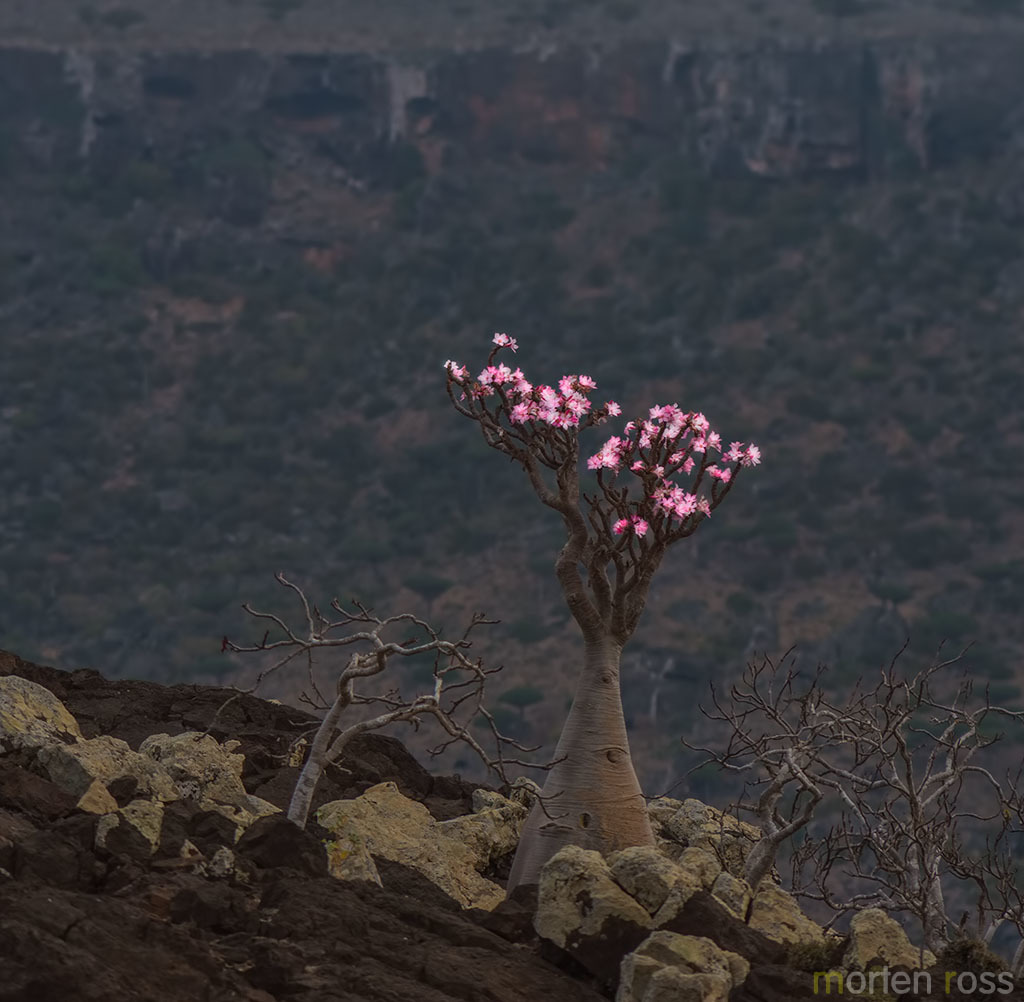
The Desert Rose is a stunning succulent known for its thick, swollen trunk and vibrant, trumpet shaped flowers. It thrives in hot, sunny conditions and stores water in its caudex. You will love how it brings a desert aesthetic to your home.
At a glance
- Care level
- Moderate
- Plant type
- Succulent
- Light
- Full sun
- Indoor light
- Direct sun
- Water
- Every 7 to 14 days
- Mature size
- 3 to 5 feet
- Growth rate
- Slow
- Hardiness
- USDA 10 to 12
- Bloom time
- Spring to summer
Care
Always let the soil dry out completely between waterings to prevent root rot. Watch for soft, mushy stems which indicate overwatering. Keep it in the sunniest spot you have for the best blooms.
- Watering
- Water only when the soil is bone dry throughout the pot.
- Feeding
- Feed with a balanced liquid fertilizer during the active growing season.
- Pruning
- Prune back long, leggy branches in early spring to encourage a bushier shape.
- Repotting
- Repot only when the plant becomes root bound or the soil breaks down.
- Soil
- Well draining cactus or succulent mix
- Soil pH
- 6.0 to 7.0
- Temperature
- 10 to 35°C
- Humidity
- 20 to 50%
Safety
- People
- The milky sap contains cardiac glycosides that can cause severe irritation and heart issues if ingested or touched.
- Pets
- This plant is toxic to cats and dogs if ingested.
- Children
- Keep this plant well out of reach of children due to its extreme toxicity and irritating sap.
- Contact allergens
- The sap can cause skin irritation or rashes upon contact.
- Airborne allergens
- There is no significant evidence of respiratory allergies.
- Edibility
- All parts of this plant are highly toxic if ingested and should never be consumed.
How to identify it
- Swollen, succulent base called a caudex
- Glossy, dark green oval leaves
- Vibrant, trumpet shaped flowers
- Thick, fleshy stems and branches
- Height
- 0.3 to 1.5m
- Spread
- 0.2 to 0.9m
- Leaves
- green, deciduous
- Flowers
- pink, red, white, 4 to 7cm
- Fruit
- tan, Late summer
Common problems
- Mealybugs — Small white insects that suck sap from leaves and stems.
- Root rot — Fungal decay caused by overwatering or poor drainage.
Growing it
- Propagation
- seed, cuttings, grafting
- When to plant
- spring
Pair with other drought tolerant succulents to ensure consistent watering needs.
Grows well with
- Aloe — They share similar water and light requirements.
- Jade plant — Both are succulents that thrive in well draining soil.
Similar species
- Plumeria — They share similar growth habits and flower types.
Science
- Family
- Apocynaceae
- Genus
- Adenium
- Order
- Gentianales
- Class
- Magnoliopsida
- Native range
- Tropical and subtropical Africa and the Arabian Peninsula.
- Conservation
- It is not currently listed as endangered, but wild populations are threatened by overcollection for the nursery trade.
It survives in arid environments by storing water in its succulent trunk.
- Value to wildlife
- nectar source
- Pollinators
- bees, butterflies, hummingbirds
- Uses
- ornamental, container plant, bonsai subject
Through the year
Ecological indicators
- Salinity
- 2/9
- Soil reaction
- 6/9
- Light
- 8/9
- Temperature
- 8/9
- Moisture
- 2/9
- Nutrients
- 3/9
Taxonomy resolved against GBIF.
Questions people ask
- How often should I water it?
- Water only when the soil is completely dry.
- Does it need full sun?
- Yes, it thrives in bright, direct sunlight.
Where the name comes from
Adenium refers to Aden, where the plant was first described, and obesum means swollen, referring to its thick stem.
Good to know
- It is often called the desert rose.
- The plant can live for decades if kept in the right conditions.
- It is a popular choice for bonsai enthusiasts.
- The flowers can bloom in various colors depending on the cultivar.
Also in
Is your desert rose looking unwell?
This page is a general guide. Pocket Botanist diagnoses problems from a photo of your actual plant, works out watering for your light and conditions, and reminds you when care is due.
This guide was generated with AI and checked against GBIF taxonomy. It is general information, not horticultural or veterinary advice. Read about how we build these guides.