 Pocket Botanist
Plant guide
Jade Plant.
Crassula ovata
Pronounced KRAS-yoo-luh oh-VAY-tuh
Also known as Jade plant, Japanese rubberplant, Japanese-laurel, baby jade, cauliflower-ears, dollarplant, jadeplant, jadetree


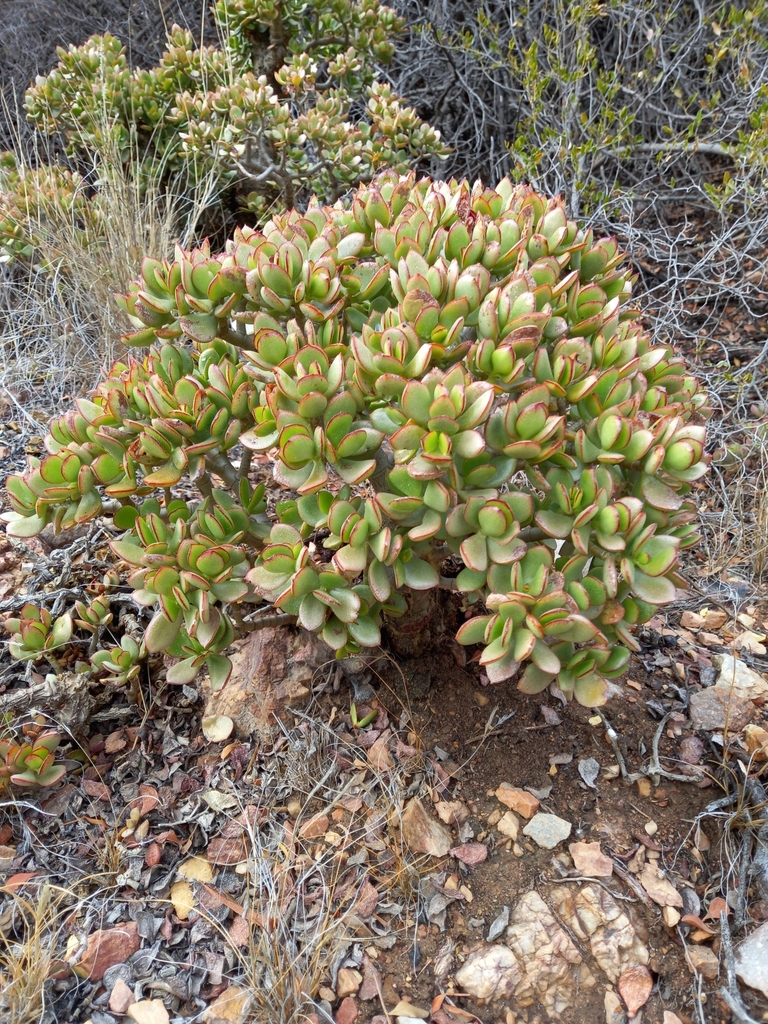
The jade plant is a classic succulent known for its thick, woody stems and fleshy, oval leaves. It's a long lived houseplant that can grow into a small, tree like shrub over many years. With the right care, it's a sturdy companion that adds a touch of green to any sunny spot.
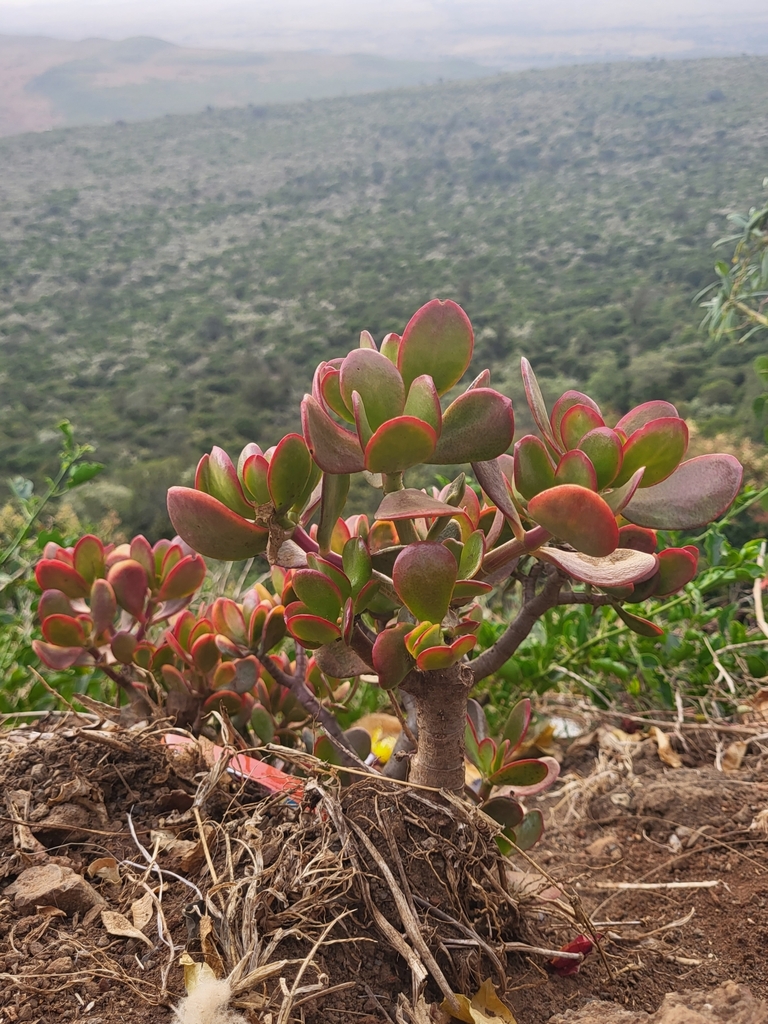
At a glance
- Care level
- Easy
- Plant type
- Succulent
- Light
- Bright, direct sunlight is best for compact growth.
- Indoor light
- Bright indirect
- Water
- Every 14 to 28 days
- Mature size
- Up to 1.5 meters tall indoors.
- Growth rate
- Slow
- Hardiness
- USDA 10 to 12
- Bloom time
- Late autumn to winter
Care
Let the soil dry out completely between waterings to prevent root rot. Watch for shriveled leaves, which indicate the plant needs a drink, or yellowing leaves, which often mean it's getting too much water. Ensure the pot has drainage holes so excess moisture can escape.
- Watering
- Wait until the soil is bone dry before watering deeply.
- Feeding
- Feed with a balanced succulent fertilizer during the growing season.
- Pruning
- Trim back long stems in spring to encourage a bushier shape.
- Repotting
- Repot only when the plant becomes top heavy or root bound.
- Soil
- Well draining cactus or succulent mix.
- Soil pH
- 6.0 to 7.0
- Temperature
- 5 to 30°C
- Humidity
- 20 to 50%
- Drought tolerance
- High
- Lifespan
- Perennial, typically 30 to 50 years or more.
- Deer and rabbits
- High
Signs it needs repotting
- Roots growing out of the drainage hole.
- Water running straight through the pot.
- Plant becoming top heavy and unstable.
Safety
- People
- All parts of the plant are toxic if eaten and may cause gastrointestinal distress.
- Pets
- The jade plant is toxic to cats and dogs if ingested.
- Children
- Keep this plant out of reach of small children to prevent accidental ingestion of the leaves.
- Contact allergens
- The sap can cause mild skin irritation in sensitive individuals.
- Airborne allergens
- There are no notable airborne allergens associated with this plant.
- Edibility
- The jade plant is considered toxic if ingested and should not be consumed by humans or pets.
How to identify it
- Thick, woody, trunk like stems
- Fleshy, smooth, oval shaped leaves
- Leaves often have red edges
- Small, star shaped white flowers
- Height
- 0.6 to 2.5m
- Spread
- 0.3 to 1.2m
- Leaves
- green, red-edged, evergreen
- Flowers
- white, pink, 0.5 to 1.5cm
Problems to watch for
By symptom
Check your jade plant from a photo
Pocket Botanist looks at a photo of your plant and tells you what's wrong and what to try first.
Growing it
- Propagation
- cuttings, division
- When to plant
- spring, summer
- Overwintering
- Move indoors before the first frost. Reduce watering significantly during the winter months as the plant enters a period of slower growth.
- In containers
- It is an excellent container plant that prefers a snug pot to prevent excess soil moisture.
Stem cuttings
- 1. Cut a healthy stem section.
- 2. Let the cut end callous for a few days.
- 3. Insert the calloused end into dry succulent soil.
- 4. Wait a week before lightly watering.
Group succulents together to simplify watering schedules and ensure consistent light exposure.
Grows well with
Similar species
- Portulacaria afra — Often confused with jade due to similar appearance but has smaller leaves.
Science
- Family
- Crassulaceae
- Genus
- Crassula
- Order
- Saxifragales
- Class
- Magnoliopsida
- Native range
- South Africa and Mozambique.
- Conservation
- It is not currently listed as endangered or threatened in its native habitat.
It grows in rocky, well drained soils where it survives long dry periods by storing water in its tissues.
- Value to wildlife
- nectar source
- Pollinators
- bees, butterflies
- Uses
- houseplant, xeriscaping, bonsai subject
Through the year
Ecological indicators
- Salinity
- 2/9
- Soil reaction
- 6/9
- Moisture
- 2/9
- Nutrients
- 3/9
- Temperature
- 7/9
- Light
- 7/9
Taxonomy resolved against GBIF.
Questions people ask
- How often should I water my jade plant?
- Water only when the top few centimeters of soil are completely dry.
- Why are the leaves falling off?
- This is often a sign of either too much water or not enough light.
Where the name comes from
The name Crassula comes from the Latin word for thick, referring to the succulent leaves, while ovata describes the egg shaped foliage.
Good to know
- Jade plants can live for several decades with proper care.
- They are succulent plants that store water in their thick, fleshy leaves.
- The leaves can turn a reddish hue when exposed to bright, direct sunlight.
- They are very easy to propagate from a single leaf or stem cutting.
Also in
Keep your jade plant growing
This page is a general guide. Save your plant in Pocket Botanist and you get care reminders timed for this plant, plus a care history that shows what worked.
This guide was generated with AI and checked against GBIF taxonomy. It is general information, not horticultural or veterinary advice. Read about how we build these guides.