 Pocket Botanist
Guía de plantas
Planta de jade.
Crassula ovata
Pronunciación KRAS-yoo-luh oh-VAY-tuh
También se conoce como Planta de jade, Planta de caucho japonesa, Laurel japonés, Jade bebé, Orejas de coliflor, Planta de dólar, Jadeplant, Jadetree


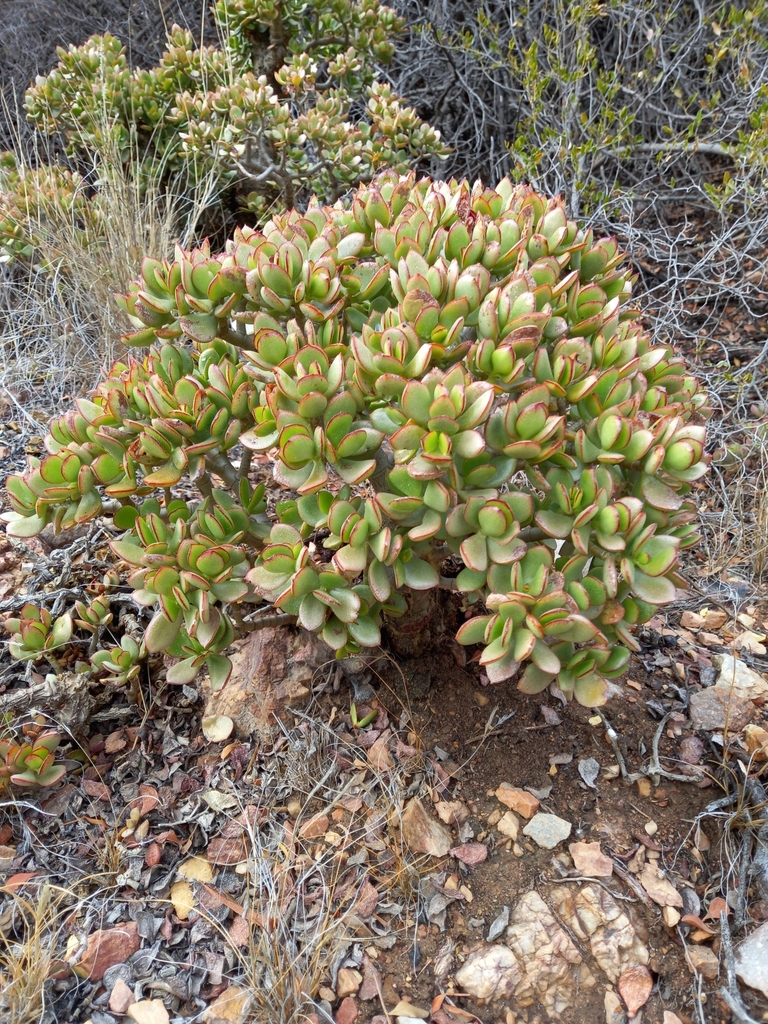
La planta de jade es una suculenta clásica conocida por sus tallos gruesos y leñosos y sus hojas carnosas y ovaladas. Es una planta de interior longeva que puede crecer hasta convertirse en un arbusto pequeño parecido a un árbol a lo largo de muchos años. Con el cuidado adecuado, es una compañera resistente que añade un toque de verde a cualquier lugar soleado.
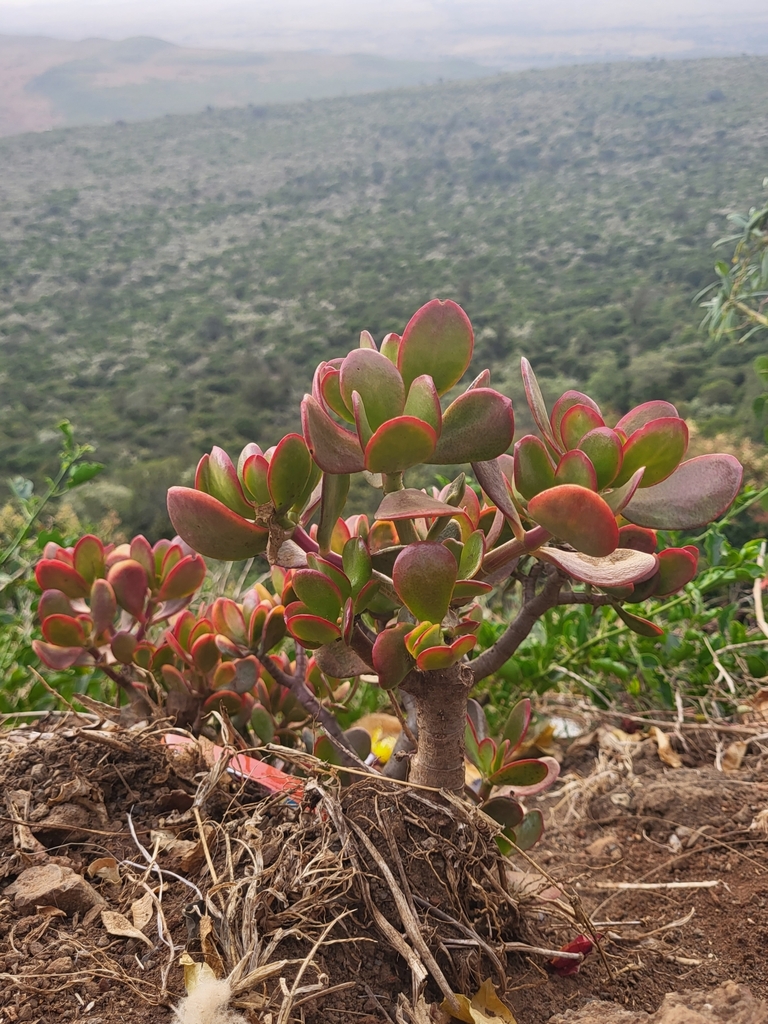
De un vistazo
- Nivel de cuidados
- Fácil
- Tipo de planta
- Suculenta
- Luz
- La luz solar brillante y directa es mejor para un crecimiento compacto.
- Luz en interior
- Luz indirecta brillante
- Riego
- Cada 14 a 28 días
- Tamaño adulto
- Hasta 1,5 metros de altura en interiores.
- Ritmo de crecimiento
- Lento
- Rusticidad
- USDA 10 a 12
- Floración
- Finales de otoño a invierno
Cuidados
Deja que la tierra se seque por completo entre riegos para evitar la pudrición de las raíces. Observa si las hojas se marchitan, lo que indica que la planta necesita un trago de agua, o si las hojas amarillean, lo que a menudo significa que está recibiendo demasiada agua. Asegúrate de que la maceta tenga agujeros de drenaje para que la humedad excesiva pueda escapar.
- Riego
- Espera hasta que la tierra esté completamente seca antes de regar abundantemente.
- Abonado
- Alimenta con un fertilizante equilibrado para suculentas durante la temporada de crecimiento.
- Poda
- Recorta los tallos largos en primavera para fomentar una forma más frondosa.
- Trasplante
- Trasplanta solo cuando la planta se vuelva demasiado pesada en la parte superior o tenga las raíces apretadas.
- Suelo
- Mezcla bien drenante para cactus o suculentas.
- pH del suelo
- 6,0 a 7,0
- Temperatura
- 5 a 30°C
- Humedad
- 20 a 50%
- Tolerancia a la sequía
- Alta
- Longevidad
- Perenne, típicamente de 30 a 50 años o más.
- Resistencia a ciervos y conejos
- Alta
Señales de que necesita trasplante
- Raíces que crecen por el agujero de drenaje.
- El agua pasa directamente a través de la maceta.
- La planta se vuelve demasiado pesada y inestable.
Seguridad
- Personas
- Todas las partes de la planta son tóxicas si se ingieren y pueden causar malestar gastrointestinal.
- Mascotas
- La planta de jade es tóxica para gatos y perros si se ingiere.
- Niños
- Mantenga esta planta fuera del alcance de los niños pequeños para prevenir la ingestión accidental de las hojas.
- Alérgenos por contacto
- La savia puede causar irritación leve de la piel en personas sensibles.
- Alérgenos en el aire
- No hay alérgenos aéreos notables asociados con esta planta.
- Comestibilidad
- La planta de jade se considera tóxica si se ingiere y no debe ser consumida por humanos o mascotas.
Cómo identificarla
- Tallos gruesos, leñosos, parecidos a troncos
- Hojas carnosas, lisas y ovaladas
- Las hojas a menudo tienen bordes rojos
- Pequeñas flores blancas en forma de estrella
- Altura
- 0,6 a 2,5m
- Anchura
- 0,3 a 1,2m
- Hojas
- verde, con borde rojo, perenne
- Flores
- blanco, rosa, 0,5 a 1,5cm
Problemas a vigilar
- Cochinillas algodonosasComún
- Podredumbre radicularComún
- Caída de hojasPoco común
- EdemaPoco común
- Cochinillas — Pequeños insectos blancos algodonosos que se agrupan en las axilas de las hojas.
- Pudrición de raíz — Causada por el exceso de riego o un drenaje deficiente, lo que provoca tallos blandos.
Revisa tu planta de jade con una foto
Pocket Botanist mira una foto de tu planta y te dice qué le pasa y qué probar primero.
Cómo cultivarla
- Propagación
- esquejes, división
- Cuándo plantar
- primavera, verano
- Cuidados en invierno
- Llévala al interior antes de las primeras heladas. Reduce significativamente el riego durante los meses de invierno, ya que la planta entra en un período de crecimiento más lento.
- En maceta
- Es una excelente planta de interior que prefiere una maceta ajustada para evitar el exceso de humedad en el suelo.
Esquejes de tallo
- 1. Corta una sección sana del tallo.
- 2. Deja que el extremo cortado se cale durante unos días.
- 3. Inserta el extremo calloso en tierra seca para suculentas.
- 4. Espera una semana antes de regar ligeramente.
Agrupe las suculentas para simplificar los programas de riego y garantizar una exposición constante a la luz.
Buenas compañeras
Especies parecidas
- Verde de elefante — A menudo se confunde con el jade debido a su apariencia similar, pero tiene hojas más pequeñas.
Ciencia
- Familia
- Crassulaceae
- Género
- Crassula
- Orden
- Saxifragales
- Clase
- Magnoliopsida
- Distribución natural
- Sudáfrica y Mozambique.
- Conservación
- Actualmente no figura como en peligro de extinción o amenazada en su hábitat nativo.
Crece en suelos rocosos y bien drenados, donde sobrevive a largos períodos secos almacenando agua en sus tejidos.
- Valor para la fauna
- fuente de néctar
- Polinizadores
- abejas, mariposas
- Usos
- planta de interior, xeriscape, sujeto de bonsái
A lo largo del año
Indicadores ecológicos
- Salinidad
- 2/9
- Reacción del suelo
- 6/9
- Humedad
- 2/9
- Nutrientes
- 3/9
- Temperatura
- 7/9
- Luz
- 7/9
Taxonomía cotejada con GBIF.
Lo que más preguntan
- Con qué frecuencia debo regar mi planta de jade?
- Riega solo cuando los primeros centímetros de la superficie de la tierra estén completamente secos.
- Por qué se caen las hojas?
- Esto suele ser una señal de demasiada agua o falta de luz.
De dónde viene el nombre
El nombre Crassula proviene de la palabra latina para grueso, refiriéndose a las hojas suculentas, mientras que ovata describe el follaje con forma de huevo.
Bueno saberlo
- Las plantas de jade pueden vivir durante varias décadas con el cuidado adecuado.
- Son plantas suculentas que almacenan agua en sus hojas gruesas y carnosas.
- Las hojas pueden adquirir un tono rojizo cuando se exponen a la luz solar brillante y directa.
- Son muy fáciles de propagar a partir de una sola hoja o esqueje de tallo.
También en
Que tu planta de jade siga creciendo
Esta página es una guía general. Guarda tu planta en Pocket Botanist y tendrás recordatorios de cuidado pensados para esta planta, además de un historial de cuidados que muestra qué ha funcionado.
Esta guía se ha generado con IA y se ha cotejado con la taxonomía de GBIF. Es información general, no asesoramiento botánico ni veterinario. Descubre cómo elaboramos estas guías.