 Pocket Botanist
Plant guide
Chinese Fan Palm.
Livistona chinensis
Pronounced li-vis-TO-na chi-NEN-sis
Also known as Chinese Fan Palm, Chinese fan palm, Fountain palm, Chinese fountain palm, Fountain Palm


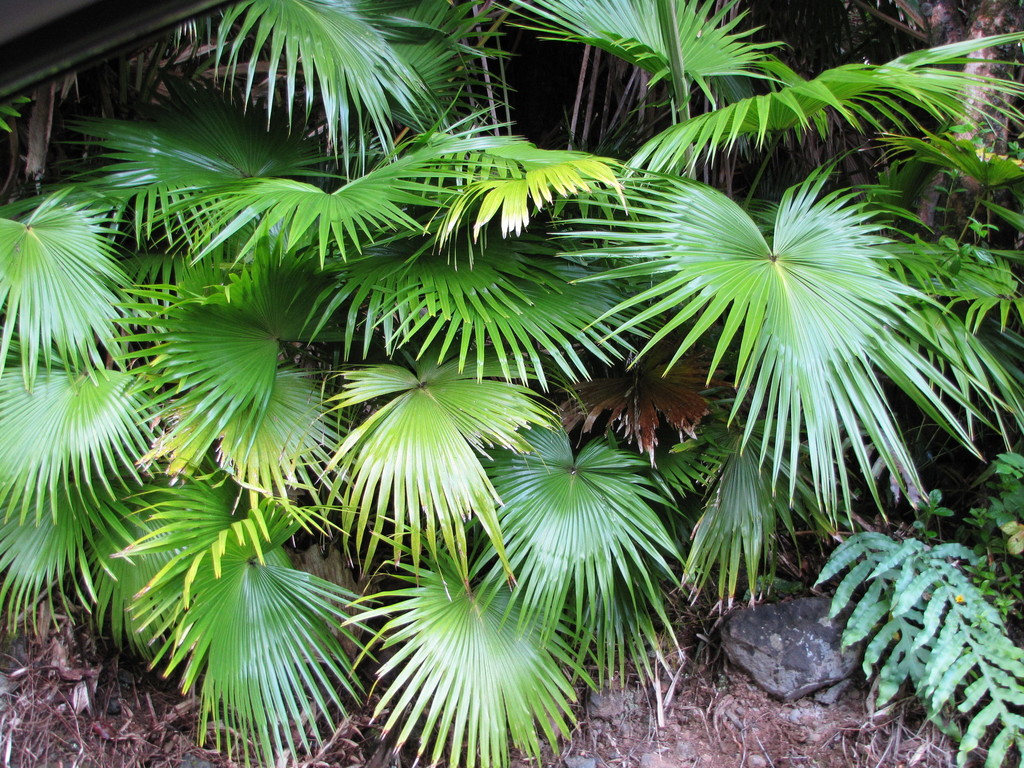
The Chinese Fan Palm is a stunning, slow growing palm known for its wide, drooping fronds that create a beautiful umbrella shape. It brings a touch of the tropics to indoor spaces or warm outdoor gardens. This palm is quite resilient once established.

At a glance
- Care level
- Easy
- Plant type
- Palm
- Light
- Bright indirect light is best for indoor plants, though they can handle some direct morning sun.
- Indoor light
- Bright indirect
- Water
- Every 7 to 14 days
- Mature size
- Up to 4 meters tall indoors, much larger outdoors.
- Growth rate
- Slow
- Hardiness
- USDA 9 to 11
- Bloom time
- Late spring to early summer
Care
Keep the soil consistently moist but never soggy to avoid root rot. Watch for yellowing leaves, which often indicate the plant needs more light or a bit of fertilizer. Wipe the fronds occasionally with a damp cloth to keep them free of dust.
- Watering
- Water when the top few centimeters of soil feel dry to the touch.
- Feeding
- Use a balanced liquid fertilizer diluted to half strength during the growing season.
- Pruning
- Only remove fronds that have turned completely brown or yellow.
- Repotting
- Repot only when the roots become very crowded, as they prefer to be slightly root bound.
- Soil
- Well draining, peat based potting mix.
- Soil pH
- Slightly acidic to neutral, 6.0 to 7.5.
- Temperature
- 5 to 35°C
- Humidity
- 40 to 70%
- Drought tolerance
- Moderate
- Lifespan
- Perennial, can live for many decades.
- Deer and rabbits
- Moderate
Signs it needs repotting
- Roots growing out of the drainage holes.
- Water running straight through the pot without soaking in.
- Stunted growth during the active season.
Safety
- People
- This palm is considered non toxic to humans.
- Pets
- This plant is considered non-toxic to cats and dogs.
- Children
- Keep children away from the sharp spines on the petiole edges to prevent scratches.
- Contact allergens
- The sharp spines found on the leaf stalks can cause mechanical skin irritation.
- Airborne allergens
- There are no significant reports of airborne allergens associated with this plant.
- Edibility
- The fruit is generally not consumed by humans and is not considered a food crop.
How to identify it
- Large fan shaped leaves
- Drooping leaf tips
- Spiny leaf stalks
- Single sturdy trunk
- Height
- 3 to 9m
- Spread
- 2 to 4m
- Leaves
- green, evergreen
- Flowers
- yellow, cream, 0.5 to 1cm
- Fruit
- blue, black, Autumn
Problems to watch for
- Leaf SpotCommon
- Scale InsectsCommon
- Root RotUncommon
- Sooty MoldUncommon
- Spider MitesUncommon
- Palmetto WeevilRare
By symptom
Check your chinese fan palm from a photo
Pocket Botanist looks at a photo of your plant and tells you what's wrong and what to try first.
Growing it
- Propagation
- seed
- When to plant
- Spring, Summer
- Overwintering
- Move containers indoors before the first frost. If planted in the ground in marginal zones, wrap the trunk and cover the crown during cold snaps.
- In containers
- It makes an excellent container plant for bright indoor spaces or patios, requiring a pot with good drainage.
Seed
- 1. Soak fresh seeds in warm water for 24 hours.
- 2. Plant in a well draining seed starting mix.
- 3. Keep the soil consistently warm and moist.
- 4. Be patient as germination can take several months.
Group this palm with other moisture loving tropicals to create a microclimate that boosts humidity.
Grows well with
- Bird of Paradise — They share similar moisture and light requirements in tropical garden settings.
- Aspidistra — This shade lover fills the space beneath the palm canopy perfectly.
Similar species
- Fan Palm — Both have fan shaped leaves but this species is much faster growing.
Science
- Family
- Arecaceae
- Genus
- Livistona
- Order
- Arecales
- Class
- Liliopsida
- Native range
- Eastern Asia, including China and Japan.
- Conservation
- This species is widespread and not currently of conservation concern.
It grows in warm, humid forest understories where it slowly reaches for light.
- Value to wildlife
- provides nesting cover, fruit source for birds
- Pollinators
- bees, beetles
- Uses
- ornamental specimen, container plant, patio accent
Through the year
Ecological indicators
- Soil reaction
- 6/9
- Light
- 5/9
- Salinity
- 2/9
- Temperature
- 8/9
- Moisture
- 6/9
- Nutrients
- 5/9
Taxonomy resolved against GBIF.
Questions people ask
- Does it need full sun?
- It prefers bright, indirect light but can handle partial shade.
- How often should I water it?
- Water when the top few centimeters of soil feel dry to the touch.
Where the name comes from
The genus name Livistona commemorates Patrick Murray, Baron of Livingston, while chinensis indicates its origin in China.
Good to know
- It is a very slow growing palm in its early years.
- The leaves are often used for weaving fans in its native range.
- It tolerates lower light levels better than many other palm species.
- The scientific name honors the Austrian botanist Patrick Alan Livingstone.
Keep your chinese fan palm growing
This page is a general guide. Save your plant in Pocket Botanist and you get care reminders timed for this plant, plus a care history that shows what worked.
This guide was generated with AI and checked against GBIF taxonomy. It is general information, not horticultural or veterinary advice. Read about how we build these guides.