 Pocket Botanist
Guía de plantas
Palma de abanico china.
Livistona chinensis
Pronunciación li-vis-TO-na chi-NEN-sis
También se conoce como Palma de abanico china, Palma abanico china, Palma de fuente china, Palma de fuente


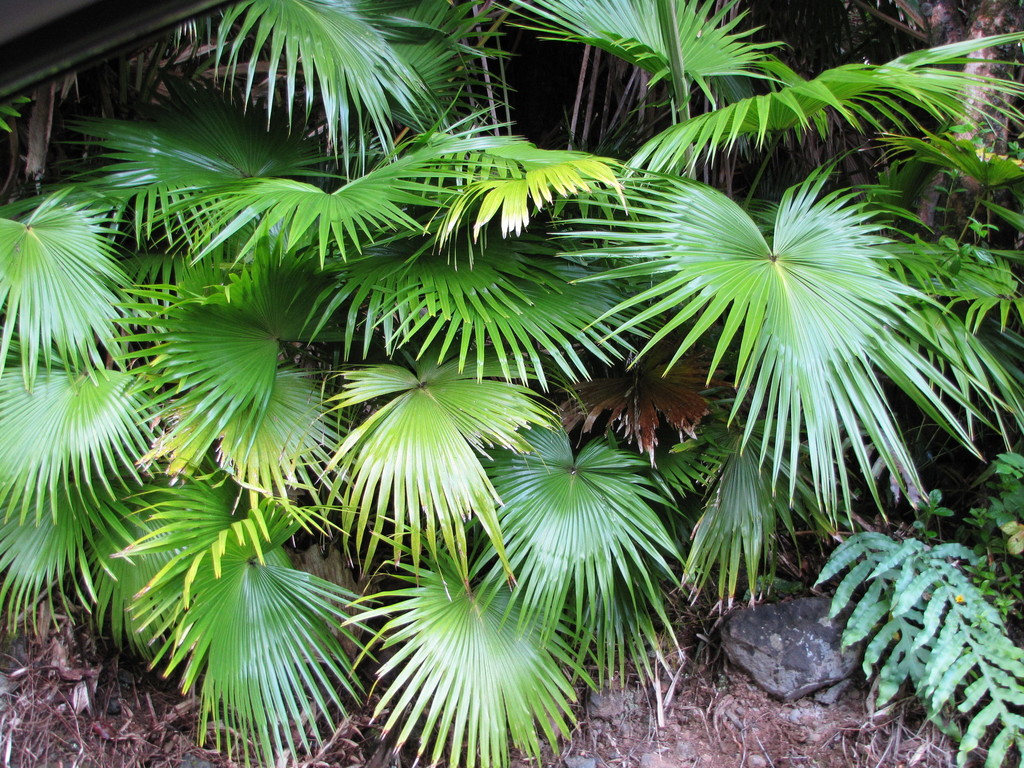
La Palma de abanico china es una palmera impresionante de crecimiento lento, conocida por sus frondas anchas y caídas que crean una hermosa forma de paraguas. Aporta un toque tropical a los espacios interiores o a los jardines cálidos al aire libre. Esta palmera es bastante resistente una vez establecida.

De un vistazo
- Nivel de cuidados
- Fácil
- Tipo de planta
- Palmera
- Luz
- La luz indirecta brillante es ideal para plantas de interior, aunque pueden tolerar algo de sol directo por la mañana.
- Luz en interior
- Luz indirecta brillante
- Riego
- Cada 7 a 14 días
- Tamaño adulto
- Hasta 4 metros de altura en interior, mucho más grande en exterior.
- Ritmo de crecimiento
- Lento
- Rusticidad
- USDA 9 a 11
- Floración
- Finales de primavera a principios de verano
Cuidados
Mantén la tierra constantemente húmeda pero nunca empapada para evitar la pudrición de las raíces. Observa si las hojas se ponen amarillas, lo que a menudo indica que la planta necesita más luz o un poco de fertilizante. Limpia las frondas ocasionalmente con un paño húmedo para mantenerlas libres de polvo.
- Riego
- Riega cuando los primeros centímetros de tierra se sientan secos al tacto.
- Abonado
- Usa un fertilizante líquido equilibrado diluido a la mitad de su concentración durante la temporada de crecimiento.
- Poda
- Solo quita las frondas que se hayan vuelto completamente marrones o amarillas.
- Trasplante
- Trasplanta solo cuando las raíces estén muy apretadas, ya que prefieren estar ligeramente limitadas por la maceta.
- Suelo
- Sustrato para macetas a base de turba y bien drenado.
- pH del suelo
- Ligeramente ácido a neutro, de 6.0 a 7.5.
- Temperatura
- 5 a 35°C
- Humedad
- 40 a 70%
- Tolerancia a la sequía
- Moderada
- Longevidad
- Perenne, puede vivir muchas décadas.
- Resistencia a ciervos y conejos
- Moderada
Señales de que necesita trasplante
- Raíces saliendo de los agujeros de drenaje.
- El agua pasa directamente a través de la maceta sin empaparla.
- Crecimiento atrofiado durante la temporada activa.
Seguridad
- Personas
- Esta palma se considera no tóxica para los humanos.
- Mascotas
- Esta planta se considera no tóxica para gatos y perros.
- Niños
- Mantén a los niños alejados de las espinas afiladas en los bordes de los pecíolos para prevenir rasguños.
- Alérgenos por contacto
- Las espinas afiladas que se encuentran en los tallos de las hojas pueden causar irritación mecánica de la piel.
- Alérgenos en el aire
- No hay informes significativos de alérgenos en el aire asociados con esta planta.
- Comestibilidad
- El fruto generalmente no es consumido por los humanos y no se considera un cultivo alimentario.
Cómo identificarla
- Hojas grandes en forma de abanico
- Puntas de las hojas caídas
- Tallos de las hojas espinosos
- Tronco único y robusto
- Altura
- 3 a 9m
- Anchura
- 2 a 4m
- Hojas
- verde, perenne
- Flores
- amarillo, crema, 0,5 a 1cm
- Frutos
- azul, negro, Otoño
Problemas a vigilar
- CochinillasComún
- Manchas foliaresComún
- Araña rojaPoco común
- NegrillaPoco común
- Podredumbre radicularPoco común
- Picudo de la palmera sabalRara
- Manchas en las hojas — Infecciones fúngicas a menudo causadas por humedad excesiva en el follaje.
Por síntoma
Revisa tu palma de abanico china con una foto
Pocket Botanist mira una foto de tu planta y te dice qué le pasa y qué probar primero.
Cómo cultivarla
- Propagación
- semilla
- Cuándo plantar
- Primavera, Verano
- Cuidados en invierno
- Mueve las macetas al interior antes de la primera helada. Si se planta en el suelo en zonas marginales, envuelve el tronco y cubre la copa durante las heladas.
- En maceta
- Es una excelente planta de interior para espacios interiores luminosos o patios, que requiere una maceta con buen drenaje.
Semilla
- 1. Remoja las semillas frescas en agua tibia durante 24 horas.
- 2. Planta en una mezcla para semilleros bien drenada.
- 3. Mantén la tierra consistentemente cálida y húmeda.
- 4. Ten paciencia, ya que la germinación puede tardar varios meses.
Agrupa esta palma con otras plantas tropicales amantes de la humedad para crear un microclima que aumente la humedad.
Buenas compañeras
- Ave del paraíso — Comparten requisitos de humedad y luz similares en entornos de jardines tropicales.
- Aspidistra — Esta amante de la sombra llena perfectamente el espacio debajo del dosel de la palma.
Especies parecidas
- Washingtonia robusta — Ambas tienen hojas en forma de abanico, pero esta especie crece mucho más rápido.
Ciencia
- Familia
- Arecaceae
- Género
- Livistona
- Orden
- Arecales
- Clase
- Liliopsida
- Distribución natural
- Asia Oriental, incluyendo China y Japón.
- Conservación
- Esta especie está muy extendida y actualmente no es motivo de preocupación para la conservación.
Crece en los sotobosques de bosques cálidos y húmedos donde busca lentamente la luz.
- Valor para la fauna
- proporciona cobertura para anidar, fuente de alimento de frutos para aves
- Polinizadores
- abejas, escarabajos
- Usos
- ejemplar ornamental, planta de interior, adorno de patio
A lo largo del año
Indicadores ecológicos
- Reacción del suelo
- 6/9
- Luz
- 5/9
- Salinidad
- 2/9
- Temperatura
- 8/9
- Humedad
- 6/9
- Nutrientes
- 5/9
Taxonomía cotejada con GBIF.
Lo que más preguntan
- ¿Necesita sol directo?
- Prefiere luz brillante e indirecta, pero puede tolerar sombra parcial.
- ¿Con qué frecuencia debo regarla?
- Riega cuando los primeros centímetros de tierra se sientan secos al tacto.
De dónde viene el nombre
El nombre del género Livistona conmemora a Patrick Murray, Barón de Livingston, mientras que chinensis indica su origen en China.
Bueno saberlo
- Es una palma de crecimiento muy lento en sus primeros años.
- Las hojas se usan a menudo para tejer abanicos en su área nativa.
- Tolera niveles de luz más bajos mejor que muchas otras especies de palmas.
- El nombre científico honra al botánico austriaco Patrick Alan Livingstone.
Que tu palma de abanico china siga creciendo
Esta página es una guía general. Guarda tu planta en Pocket Botanist y tendrás recordatorios de cuidado pensados para esta planta, además de un historial de cuidados que muestra qué ha funcionado.
Esta guía se ha generado con IA y se ha cotejado con la taxonomía de GBIF. Es información general, no asesoramiento botánico ni veterinario. Descubre cómo elaboramos estas guías.