 Pocket Botanist
Guide botanique
Palmier éventail chinois.
Livistona chinensis
Prononciation li-vis-TO-na chi-NEN-sis
Aussi appelée Palmier éventail chinois, Palmier éventail de Chine, Palmier fontaine de Chine, Palmier fontaine


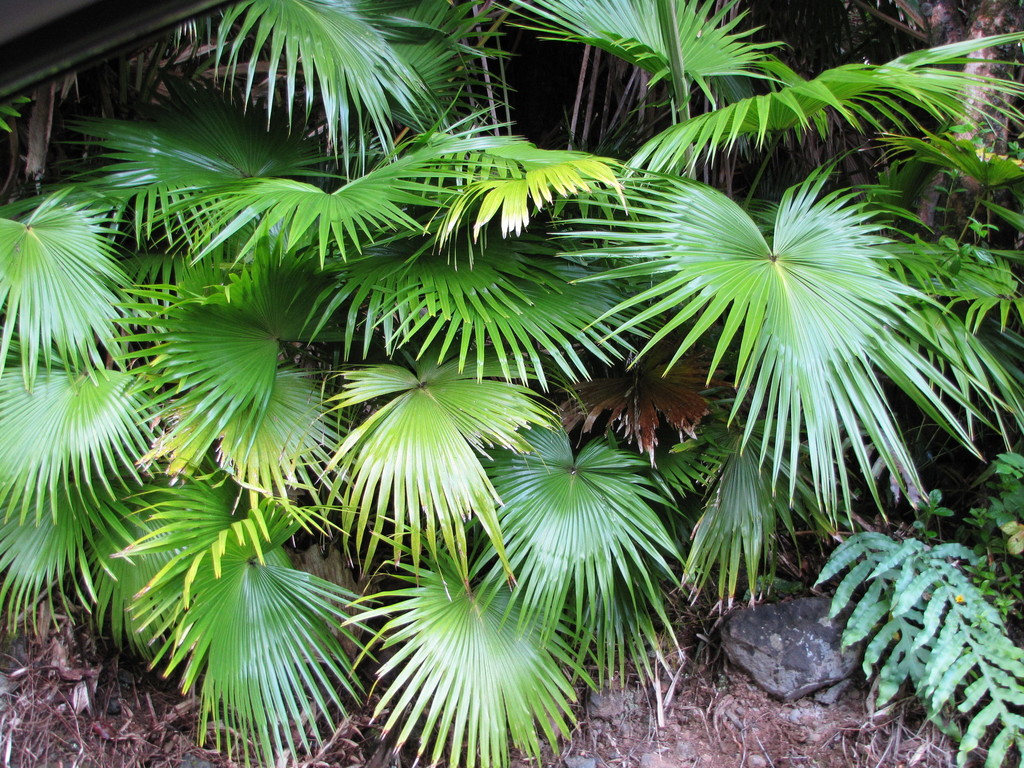
Le palmier éventail chinois est un palmier magnifique, à croissance lente, connu pour ses larges frondes tombantes qui créent une belle forme de parapluie. Il apporte une touche tropicale aux espaces intérieurs ou aux jardins extérieurs chauds. Ce palmier est assez résistant une fois établi.

En un coup d'œil
- Niveau d'entretien
- Facile
- Type de plante
- Palmier
- Lumière
- Une lumière vive et indirecte est idéale pour les plantes d'intérieur, bien qu'elles puissent supporter un peu de soleil direct le matin.
- Lumière en intérieur
- Lumière vive indirecte
- Arrosage
- Tous les 7 à 14 jours
- Taille adulte
- Jusqu'à 4 mètres de haut à l'intérieur, beaucoup plus grand à l'extérieur.
- Croissance
- Lente
- Rusticité
- USDA 9 à 11
- Floraison
- Fin du printemps au début de l'été
Entretien
Gardez le sol constamment humide, mais jamais détrempé pour éviter la pourriture des racines. Surveillez les feuilles jaunissantes, qui indiquent souvent que la plante a besoin de plus de lumière ou d'un peu d'engrais. Essuyez occasionnellement les frondes avec un chiffon humide pour les dépoussiérer.
- Arrosage
- Arrosez lorsque les quelques centimètres supérieurs du sol sont secs au toucher.
- Engrais
- Utilisez un engrais liquide équilibré dilué à moitié pendant la saison de croissance.
- Taille
- Retirez uniquement les frondes qui sont complètement brunies ou jaunes.
- Rempotage
- Rempotez uniquement lorsque les racines sont très à l'étroit, car elles préfèrent être légèrement à l'étroit dans leur pot.
- Sol
- Mélange de terreau bien drainant à base de tourbe.
- pH du sol
- Légèrement acide à neutre, 6,0 à 7,5.
- Température
- 5 à 35°C
- Humidité
- 40 à 70%
- Résistance à la sécheresse
- Moyenne
- Durée de vie
- Vivace, peut vivre plusieurs décennies.
- Résistance aux chevreuils et lapins
- Moyenne
Signes qu'il faut rempoter
- Les racines sortent des trous de drainage.
- L'eau traverse le pot sans s'infiltrer.
- Croissance ralentie pendant la saison active.
Sécurité
- Humains
- Ce palmier est considéré comme non toxique pour les humains.
- Animaux
- Cette plante est considérée comme non toxique pour les chats et les chiens.
- Enfants
- Tenez les enfants éloignés des épines acérées sur les bords des pétioles pour éviter les égratignures.
- Allergènes de contact
- Les épines acérées trouvées sur les tiges des feuilles peuvent provoquer une irritation mécanique de la peau.
- Allergènes aéroportés
- Il n'y a pas de rapports significatifs d'allergènes aéroportés associés à cette plante.
- Comestibilité
- Les fruits ne sont généralement pas consommés par les humains et ne sont pas considérés comme une culture alimentaire.
Comment l'identifier
- Grandes feuilles en forme d'éventail
- Pointes de feuilles tombantes
- Pétioles épineux
- Un seul tronc robuste
- Hauteur
- 3 à 9m
- Envergure
- 2 à 4m
- Feuilles
- vert, persistant
- Fleurs
- jaune, crème, 0,5 à 1cm
- Fruits
- bleu, noir, Automne
Problèmes à surveiller
- CochenillesCourant
- Taches foliairesCourant
- FumaginePeu courant
- Pourriture des racinesPeu courant
- TétranyquesPeu courant
- Charançon du palmier sabalRare
- Tache foliaire — Infections fongiques souvent causées par une humidité excessive sur le feuillage.
Par symptôme
Vérifie la santé de ta plante en photo
Pocket Botanist analyse une photo de ta plante et te dit ce qui ne va pas et quoi essayer en premier.
La cultiver
- Multiplication
- semis
- Quand planter
- Printemps, Été
- Hivernage
- Rentrez les conteneurs à l'intérieur avant le premier gel. Si planté en pleine terre dans des zones marginales, enveloppez le tronc et couvrez la couronne pendant les coups de froid.
- En pot
- Il constitue une excellente plante en pot pour les espaces intérieurs lumineux ou les patios, nécessitant un pot avec un bon drainage.
Semis
- 1. Trempez les graines fraîches dans de l'eau tiède pendant 24 heures.
- 2. Semez dans un mélange de semis bien drainant.
- 3. Gardez le sol constamment chaud et humide.
- 4. Soyez patient car la germination peut prendre plusieurs mois.
Groupez ce palmier avec d'autres plantes tropicales aimant l'humidité pour créer un microclimat qui augmente l'humidité.
Bonnes associations
- Oiseau de paradis — Ils partagent des exigences d'humidité et de lumière similaires dans les jardins tropicaux.
- Aspidistra — Cet amoureux de l'ombre remplit parfaitement l'espace sous la canopée du palmier.
Espèces similaires
- Washingtonia robusta — Les deux ont des feuilles en forme d'éventail, mais cette espèce pousse beaucoup plus vite.
Science
- Famille
- Arecaceae
- Genre
- Livistona
- Ordre
- Arecales
- Classe
- Liliopsida
- Région d'origine
- Asie de l'Est, y compris la Chine et le Japon.
- Préservation
- Cette espèce est répandue et n'est actuellement pas préoccupante en matière de conservation.
Il pousse dans les sous-bois des forêts chaudes et humides où il cherche lentement la lumière.
- Intérêt pour la faune
- fournit un abri de nidification, source de nourriture pour les oiseaux
- Pollinisateurs
- abeilles, coléoptères
- Utilisations
- spécimen ornemental, plante en pot, accent de patio
Au fil des saisons
Repères écologiques
- Réaction du sol
- 6/9
- Lumière
- 5/9
- Salinité
- 2/9
- Température
- 8/9
- Humidité
- 6/9
- Nutriments
- 5/9
Taxonomie vérifiée avec le GBIF.
Ce qu'on demande souvent
- A-t-il besoin de plein soleil?
- Il préfère une lumière vive et indirecte, mais peut tolérer l'ombre partielle.
- À quelle fréquence dois-je l'arroser?
- Arrosez lorsque les quelques centimètres supérieurs du sol sont secs au toucher.
D'où vient le nom
Le nom du genre Livistona commémore Patrick Murray, Baron de Livingston, tandis que chinensis indique son origine en Chine.
Bon à savoir
- C'est un palmier à croissance très lente dans ses premières années.
- Les feuilles sont souvent utilisées pour tisser des éventails dans son aire de répartition d'origine.
- Il tolère les niveaux de lumière plus faibles que de nombreuses autres espèces de palmiers.
- Le nom scientifique honore le botaniste autrichien Patrick Alan Livingstone.
Garde ta plante en pleine forme
Cette page est un guide général. Enregistre ta plante dans Pocket Botanist et tu reçois des rappels d'entretien adaptés à cette plante, ainsi qu'un historique d'entretien qui montre ce qui a marché.
Ce guide a été généré par IA et vérifié avec la taxonomie du GBIF. Il s'agit d'informations générales, et non de conseils horticoles ou vétérinaires. Découvre comment nous concevons ces guides.