 Pocket Botanist
Plant guide
Cast iron plant.
Aspidistra elatior
Pronounced as-pi-DIS-tra e-LAY-tee-or
Also known as Cast iron plant, Cast-iron-plant, barroomplant, cast-iron plant



The cast iron plant is a true survivor that handles neglect better than almost any other houseplant. It thrives in dim corners where other plants might struggle to stay alive. You will love how its deep green foliage brings a touch of elegance to low light spaces.
At a glance
- Care level
- Easy
- Plant type
- Perennial evergreen
- Light
- Low to medium indirect light.
- Indoor light
- Low light
- Water
- Every 7 to 14 days
- Mature size
- 2 to 3 feet tall.
- Growth rate
- Slow
- Hardiness
- USDA 7 to 10
- Bloom time
- Late winter to early spring
Care
Keep the soil slightly moist but never soggy to prevent root rot. Wipe the leaves with a damp cloth occasionally to remove dust and help the plant breathe. Watch for brown tips which usually indicate the air is too dry or the water quality is poor.
- Watering
- Allow the top half of the soil to dry out completely before watering again.
- Feeding
- Feed with a balanced liquid fertilizer during the active growing season.
- Pruning
- Trim away any yellow or damaged leaves at the base to keep the plant looking tidy.
- Repotting
- Only repot when the plant becomes severely root bound as it prefers to be snug.
- Soil
- Well draining peat based potting mix.
- Soil pH
- 6.0 to 7.0
- Temperature
- 5 to 25°C
- Humidity
- 40 to 60%
- Drought tolerance
- Moderate
- Lifespan
- Perennial, can live for several decades.
- Deer and rabbits
- High
Signs it needs repotting
- Roots growing out of the drainage holes
- Water running straight through the pot
- Stunted growth over several years
Safety
- People
- The plant is generally considered non toxic to humans, though ingestion is not recommended.
- Pets
- This plant is non-toxic to cats and dogs.
- Children
- The large, stiff leaves can be sharp if torn, and the plant is a potential choking hazard for small children.
- Edibility
- This plant is not considered edible and may cause stomach upset if ingested.
How to identify it
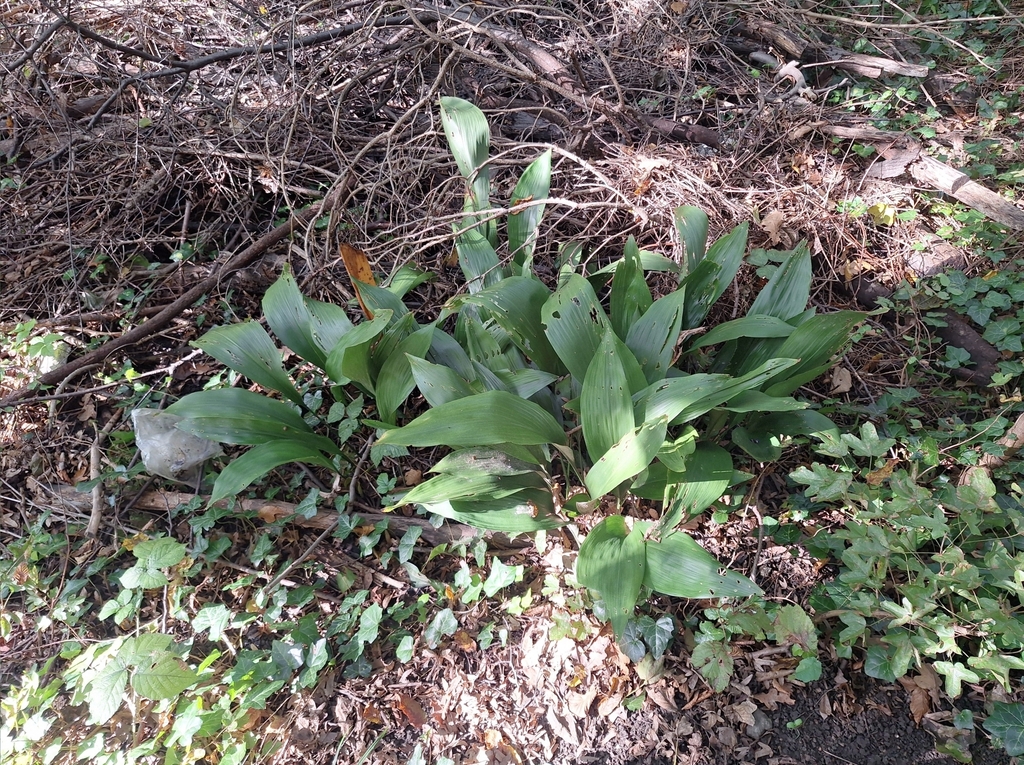
- Dark green leathery lance shaped leaves
- Sturdy upright growth habit
- Slow growing rhizomatous root system
- Small bell shaped flowers near soil
- Height
- 0.6 to 0.9m
- Spread
- 0.45 to 0.6m
- Leaves
- dark green, evergreen
- Flowers
- purple, brown, 2 to 3cm
Problems to watch for
- Leaf SpotCommon
- Spider MitesCommon
- Brown Leaf EdgesUncommon
- Root RotUncommon
- MealybugsRare
- Scale InsectsRare
By symptom
Check your cast iron plant from a photo
Pocket Botanist looks at a photo of your plant and tells you what's wrong and what to try first.
Growing it
- Propagation
- division
- When to plant
- spring, early autumn
- Overwintering
- If kept outdoors in colder regions, bring the container inside before the first frost. Keep the soil slightly drier during the winter months.
- In containers
- It is an excellent container plant that thrives in a pot for many years without needing frequent repotting.
Division
- Remove the plant from its pot during the spring.
- Gently tease the root ball apart into smaller sections.
- Ensure each section has at least two or three leaves.
- Repot the divisions into fresh, well draining potting mix.
- Water lightly and keep in a shaded area until established.
Group this plant with other shade lovers to create a lush, low maintenance woodland display.
Grows well with
Similar species
- Milky Way Aspidistra — It has the same growth habit but features white spots on the leaves.
Science
- Family
- Asparagaceae
- Genus
- Aspidistra
- Order
- Asparagales
- Class
- Liliopsida
- Native range
- Eastern Asia, specifically Japan and Taiwan.
- Conservation
- This species is not currently listed as endangered or threatened in its native range.
It thrives in the deep shade of forest floors, where it spreads slowly via rhizomes.
- Value to wildlife
- ground level pollinator access
- Pollinators
- beetles
- Uses
- indoor foliage, shade garden groundcover, container plant
Through the year
Ecological indicators
- Salinity
- 1/9
- Soil reaction
- 5/9
- Light
- 2/9
- Temperature
- 5/9
- Moisture
- 4/9
- Nutrients
- 3/9
Taxonomy resolved against GBIF.
Questions people ask
- How much light does it need?
- It prefers low to medium indirect light and will scorch in direct sun.
- How often should I water it?
- Water when the top few centimeters of soil feel dry to the touch.
Where the name comes from
The name Aspidistra comes from the Greek word for small round shield, referring to the shape of the flower, while elatior means taller.
Good to know
- It was a staple in Victorian homes because it tolerated coal smoke and low light.
- The flowers grow at the soil surface, often hidden by the foliage.
- It is a slow grower that can live for decades.
- The leaves are often used in Japanese floral arrangements.
Also in
Keep your cast iron plant growing
This page is a general guide. Save your plant in Pocket Botanist and you get care reminders timed for this plant, plus a care history that shows what worked.
This guide was generated with AI and checked against GBIF taxonomy. It is general information, not horticultural or veterinary advice. Read about how we build these guides.