 Pocket Botanist
Plant guide
foxtail barley.
Hordeum jubatum
Pronounced HOR-dee-um joo-BAY-tum
Also known as Foxtail Barley


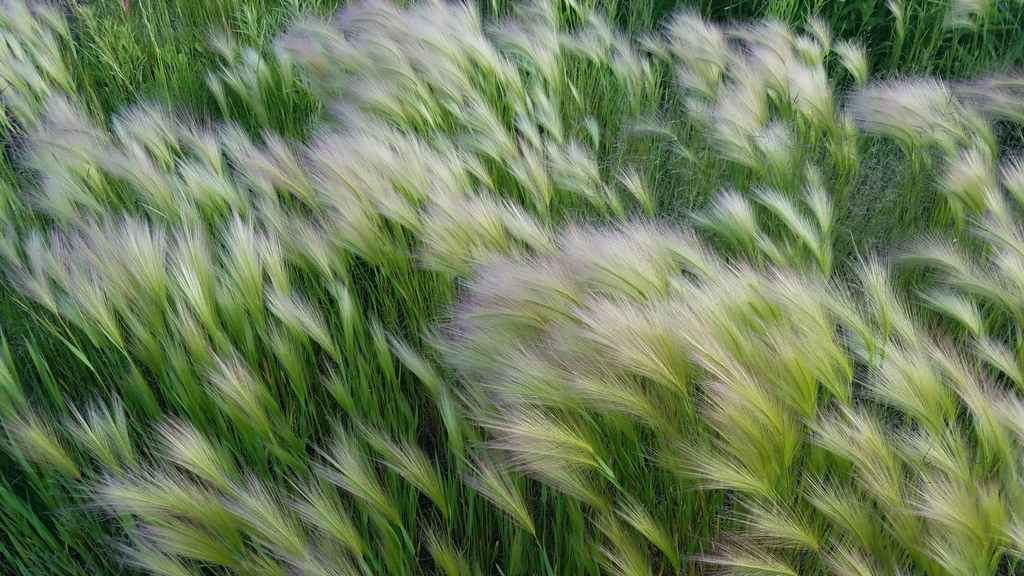
Foxtail barley is a lovely ornamental grass known for its silky, nodding flower spikes. It thrives in cool climates and adds a soft, airy texture to any garden space. You will enjoy how the seed heads catch the light as they sway in the breeze.

At a glance
- Care level
- Easy
- Plant type
- Perennial grass
- Light
- Full sun
- Indoor light
- Direct sun
- Water
- Every 3 to 7 days
- Mature size
- 2 feet
- Growth rate
- Fast
- Hardiness
- USDA 3 to 9
- Bloom time
- Late spring to mid summer
Care
Plant this grass in a sunny spot with well draining soil to keep it happy. Watch for the seed heads to dry out, as they can become invasive if allowed to spread freely. Keep an eye on moisture levels during the heat of summer to prevent the foliage from browning.
- Watering
- Keep the soil consistently moist but not waterlogged during the active growing season.
- Feeding
- Apply a balanced, slow release fertilizer once in the spring to support healthy growth.
- Pruning
- Cut the foliage back to the ground in late winter or early spring before new growth appears.
- Repotting
- Divide the clumps every couple of years to maintain vigor and prevent overcrowding.
- Soil
- Well draining, sandy or loamy soil
- Soil pH
- 6.0 to 8.0
- Temperature
- -35 to 35°C
- Humidity
- 30 to 70%
- Drought tolerance
- Moderate
- Lifespan
- Short-lived perennial, typically 2 to 4 years.
- Deer and rabbits
- Moderate
Signs it needs repotting
- Roots growing out of the drainage holes.
- Water running straight through the pot without soaking in.
- Stunted growth during the active season.
Safety
- People
- This plant is not considered toxic to humans, but the sharp awns are a mechanical irritant.
- Pets
- The sharp awns can cause physical irritation to the mouth or skin of pets if ingested or touched.
- Children
- Keep children away from the flower heads as the sharp, barbed awns can easily puncture skin or cause eye irritation.
- Contact allergens
- The stiff, barbed awns can cause skin irritation or get stuck in clothing.
- Airborne allergens
- The pollen can trigger seasonal allergies in sensitive individuals.
- Edibility
- The sharp, barbed awns can cause injury to the mouths and digestive tracts of grazing animals and pets.
How to identify it
- Silky, nodding flower spikes
- Long, arching awns on seeds
- Slender, blue green foliage
- Clump forming growth habit
- Height
- 0.3 to 0.6m
- Spread
- 0.2 to 0.4m
- Leaves
- green, blue-green, deciduous
- Flowers
- pink, purple, silver, 5 to 12cm
- Fruit
- tan, straw, Late summer
Problems to watch for
By symptom
Check your foxtail barley from a photo
Pocket Botanist looks at a photo of your plant and tells you what's wrong and what to try first.
Growing it
- Propagation
- seed
- When to plant
- spring, autumn
- Overwintering
- Cut the foliage back to the ground in late winter or early spring before new growth begins.
- In containers
- It grows well in containers, provided the pot is at least 30 centimeters deep to accommodate the root system.
Seed
- Collect seeds in late summer when they turn straw colored.
- Sow seeds directly into the garden in autumn or early spring.
- Cover lightly with soil and keep moist until germination.
Plant in groups to create a soft, swaying effect in a sunny meadow garden.
Grows well with
- Blanketflower — They share similar requirements for sun and well-drained soil.
- Blue Grama — This grass provides a nice textural contrast to the soft spikes of the barley.
Similar species
- Foxtail Barley — It is a closely related species with similar, though often more aggressive, growth habits.
Science
- Family
- Poaceae
- Genus
- Hordeum
- Order
- Poales
- Class
- Liliopsida
- Native range
- North America and parts of Asia.
- Conservation
- This species is widespread and not of conservation concern.
It is a pioneer species that quickly colonizes disturbed, saline, or alkaline soils.
- Value to wildlife
- seeds provide food for birds, nesting material for birds
- Pollinators
- bees, butterflies
- Uses
- ornamental grass, dried floral arrangements, meadow restoration
Through the year
Ecological indicators
- Salinity
- 6/9
- Soil reaction
- 7/9
- Light
- 8/9
- Temperature
- 5/9
- Moisture
- 4/9
- Nutrients
- 3/9
Taxonomy resolved against GBIF.
Questions people ask
- Is it invasive?
- It can be aggressive in disturbed areas and is considered a weed in some regions.
- Can I grow it in a pot?
- Yes, it grows well in containers if given plenty of sun and good drainage.
Where the name comes from
Hordeum is the ancient Latin name for barley, while jubatum means crested or maned, referring to the long, silky awns.
Good to know
- The nodding spikes look like a squirrel tail, giving it the common name squirrel tail barley.
- It thrives in saline soils where other plants struggle.
- The seeds are dispersed by wind and animal fur.
Also in
Keep your foxtail barley growing
This page is a general guide. Save your plant in Pocket Botanist and you get care reminders timed for this plant, plus a care history that shows what worked.
This guide was generated with AI and checked against GBIF taxonomy. It is general information, not horticultural or veterinary advice. Read about how we build these guides.