 Pocket Botanist
Plant guide
Blue grama.
Bouteloua gracilis
Pronounced boo-te-LOO-ah gra-SIL-iss
Also known as Blue Grama, blue grama grass, eyelash grass, graceful grama grass



Scan with your phone's camera to get the app
Or go to pocketbotanist.app/get on your phone
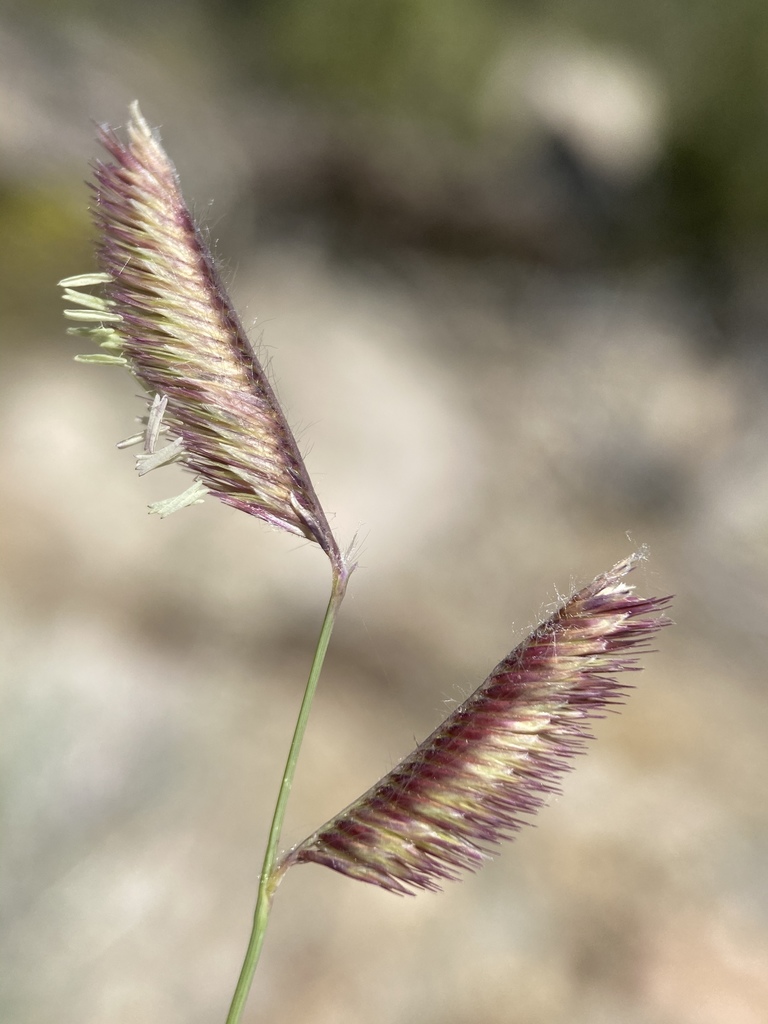
Blue grama is a tough, drought tolerant native grass that forms charming, low growing clumps. It is famous for its unique seed heads that look like tiny eyelashes or eyebrows floating above the foliage. This grass is a fantastic choice for naturalistic landscapes or low maintenance lawns.

At a glance
- Care level
- Easy
- Plant type
- Perennial grass
- Light
- Full sun
- Indoor light
- Direct sun
- Water
- Every 7 to 14 days
- Mature size
- 1 to 2 feet
- Growth rate
- Medium
- Hardiness
- USDA 3 to 10
- Bloom time
- Mid to late summer
Care
Plant this grass in a spot with plenty of sun and well draining soil to keep it happy. Watch for yellowing leaves if the soil stays too wet for too long. It is very hardy and needs little attention once it gets established.
- Watering
- Water deeply but infrequently once the plant is established to encourage deep roots.
- Feeding
- A light application of balanced fertilizer in early spring is plenty.
- Pruning
- Cut the foliage back to a few inches above the ground in late winter or early spring.
- Repotting
- Divide the clumps every few years if they start to look thin in the center.
- Soil
- Well drained, sandy or rocky soil
- Soil pH
- 6.5 to 8.0
- Temperature
- -30 to 40°C
- Humidity
- 10 to 50%
- Drought tolerance
- High
- Lifespan
- Perennial, typically 5 to 10 years.
- Deer and rabbits
- High
Signs it needs repotting
- Roots growing out of the drainage holes.
- Water sitting on the surface for too long.
- Stunted growth during the active season.
Safety
- People
- There are no known reports of toxicity in humans.
- Children
- The grass blades are sharp enough to cause minor paper cuts if handled roughly by children.
- Contact allergens
- The foliage can cause mild skin irritation in sensitive individuals due to fine hairs.
- Airborne allergens
- The pollen can trigger seasonal allergies in susceptible people during the late summer bloom.
- Edibility
- This plant is not intended for human consumption.
How to identify it
- Fine textured, grayish green foliage
- Distinctive curved eyelash shaped seed heads
- Forms dense, low growing tufts
- Seed heads turn tan when mature
- Height
- 0.2 to 0.45m
- Spread
- 0.2 to 0.4m
- Leaves
- blue-green, tan, deciduous
- Flowers
- tan, purple, 2 to 5cm
Problems to watch for
- RustCommon
- DehydrationUncommon
- Leaf SpotUncommon
- Root RotUncommon
Check your blue grama from a photo
Pocket Botanist looks at a photo of your plant and tells you what's wrong and what to try first.
Scan with your phone's camera to get the app
Or go to pocketbotanist.app/get on your phone
Growing it
- Propagation
- division, seed
- When to plant
- spring, early autumn
- Overwintering
- Leave the foliage standing through winter to protect the crown and provide winter interest, then trim back to the ground in early spring before new growth begins.
- In containers
- It performs well in containers at least 30 cm deep provided the soil is gritty and fast draining.
Division
- 1. Dig up the clump in early spring.
- 2. Use a sharp spade to divide the root ball into smaller sections.
- 3. Replant immediately in well draining soil.
Seed
- 1. Sow seeds in a sunny spot in spring.
- 2. Lightly cover with soil.
- 3. Keep moist until germination.
Group this grass with other sun loving perennials that prefer lean, well draining soil.
Grows well with
- Purple Coneflower · They share similar water needs and provide a nice contrast in texture.
- Little Bluestem · This grass pairs well for a naturalistic prairie aesthetic.
Similar species
- Side oats grama · It is a related species with a similar growth habit but larger stature.
Science
- Family
- Poaceae
- Genus
- Bouteloua
- Order
- Poales
- Class
- Liliopsida
- Native range
- North American prairies and plains.
- Conservation
- This species is widespread and secure across its native range.
It thrives in dry, open grasslands where it competes well with other low growing prairie species.
- Value to wildlife
- larval host plant, seeds provide food for birds
- Pollinators
- bees, butterflies, moths
- Uses
- ornamental grass, xeriscaping, meadow planting, erosion control
Through the year
Ecological indicators
- Salinity
- 4/9
- Soil reaction
- 6/9
- Light
- 8/9
- Temperature
- 5/9
- Moisture
- 2/9
- Nutrients
- 3/9
Taxonomy resolved against GBIF.
Questions people ask
- Does it need a lot of water?
- No, it is highly drought tolerant once established.
- Can I grow it in a container?
- Yes, it grows well in pots with excellent drainage.
Where the name comes from
The genus honors the Spanish botanist brothers Claudio and Esteban Boutelou, while the species name gracilis means slender.
Good to know
- It is the state grass of Colorado and New Mexico.
- The seed heads are held horizontally, making them easy to identify.
- It is highly resilient to foot traffic once established.
- It goes dormant and turns a beautiful straw color in winter.
Also in
Keep your blue grama growing
This page is a general guide. Save your plant in Pocket Botanist and you get care reminders timed for this plant, plus a care history that shows what worked.
Scan with your phone's camera to get the app
Or go to pocketbotanist.app/get on your phone
This guide was generated with AI on and checked against GBIF taxonomy. It is general information, not horticultural or veterinary advice. Read about how we build these guides.