 Pocket Botanist
Pflanzenratgeber
Blue grama.
Bouteloua gracilis
Aussprache boo-te-LOO-ah gra-SIL-iss
Auch bekannt als Blue Grama, blue grama grass, eyelash grass, graceful grama grass


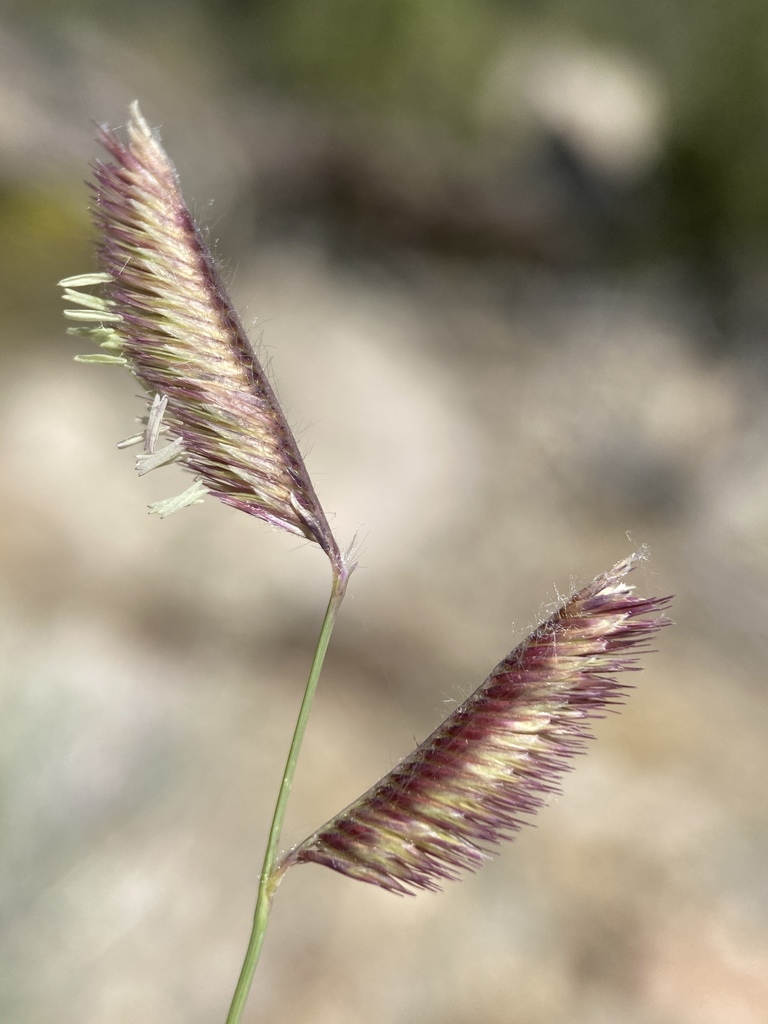
Blue grama is a tough, drought tolerant native grass that forms charming, low growing clumps. It is famous for its unique seed heads that look like tiny eyelashes or eyebrows floating above the foliage. This grass is a fantastic choice for naturalistic landscapes or low maintenance lawns.

Auf einen Blick
- Pflegestufe
- Einfach
- Pflanzenart
- Perennial grass
- Licht
- Full sun
- Licht im Innenraum
- Direkte Sonne
- Gießen
- Alle 7 bis 14 Tage
- Endgröße
- 1 to 2 feet
- Wachstum
- Mittel
- Winterhärte
- USDA 3 bis 10
- Blütezeit
- Mid to late summer
Pflege
Plant this grass in a spot with plenty of sun and well draining soil to keep it happy. Watch for yellowing leaves if the soil stays too wet for too long. It is very hardy and needs little attention once it gets established.
- Gießen
- Water deeply but infrequently once the plant is established to encourage deep roots.
- Düngen
- A light application of balanced fertilizer in early spring is plenty.
- Schneiden
- Cut the foliage back to a few inches above the ground in late winter or early spring.
- Umtopfen
- Divide the clumps every few years if they start to look thin in the center.
- Boden
- Well drained, sandy or rocky soil
- Boden-pH
- 6.5 to 8.0
- Temperatur
- -30 bis 40°C
- Luftfeuchtigkeit
- 10 bis 50%
- Trockenheitstoleranz
- Hoch
- Lebensdauer
- Perennial, typically 5 to 10 years.
- Wildverbiss-Resistenz
- Hoch
Anzeichen fürs Umtopfen
- Roots growing out of the drainage holes.
- Water sitting on the surface for too long.
- Stunted growth during the active season.
Sicherheit
- Menschen
- There are no known reports of toxicity in humans.
- Kinder
- The grass blades are sharp enough to cause minor paper cuts if handled roughly by children.
- Kontaktallergene
- The foliage can cause mild skin irritation in sensitive individuals due to fine hairs.
- Allergene in der Luft
- The pollen can trigger seasonal allergies in susceptible people during the late summer bloom.
- Essbarkeit
- This plant is not intended for human consumption.
So erkennst du die Pflanze
- Fine textured, grayish green foliage
- Distinctive curved eyelash shaped seed heads
- Forms dense, low growing tufts
- Seed heads turn tan when mature
- Höhe
- 0,2 bis 0,45m
- Breite
- 0,2 bis 0,4m
- Blätter
- blue-green, tan, deciduous
- Blüten
- tan, purple, 2 bis 5cm
Häufige Probleme
- Rust — Fungal spots appear on leaves during periods of high humidity or poor air circulation.
Standort und Pflege
- Vermehrung
- division, seed
- Pflanzzeit
- spring, early autumn
- Überwinterung
- Leave the foliage standing through winter to protect the crown and provide winter interest, then trim back to the ground in early spring before new growth begins.
- Im Kübel
- It performs well in containers at least 30 cm deep provided the soil is gritty and fast draining.
Division
- 1. Dig up the clump in early spring.
- 2. Use a sharp spade to divide the root ball into smaller sections.
- 3. Replant immediately in well draining soil.
Seed
- 1. Sow seeds in a sunny spot in spring.
- 2. Lightly cover with soil.
- 3. Keep moist until germination.
Group this grass with other sun loving perennials that prefer lean, well draining soil.
Gute Pflanzpartner
- Purple coneflower — They share similar water needs and provide a nice contrast in texture.
- Schizachyrium scoparium — This grass pairs well for a naturalistic prairie aesthetic.
Ähnliche Arten
- Bouteloua curtipendula — It is a related species with a similar growth habit but larger stature.
Botanisches
- Familie
- Poaceae
- Gattung
- Bouteloua
- Ordnung
- Poales
- Klasse
- Liliopsida
- Ursprüngliche Heimat
- North American prairies and plains.
- Artenschutz
- This species is widespread and secure across its native range.
It thrives in dry, open grasslands where it competes well with other low growing prairie species.
- Nutzen für Wildtiere
- larval host plant, seeds provide food for birds
- Bestäuber
- Bienen, Schmetterlinge, Nachtfalter
- Verwendung
- ornamental grass, xeriscaping, meadow planting, erosion control
Im Jahresverlauf
Ökologische Zeigerwerte
- Salzgehalt
- 4/9
- Bodenreaktion
- 6/9
- Licht
- 8/9
- Temperatur
- 5/9
- Feuchtigkeit
- 2/9
- Nährstoffe
- 3/9
Taxonomie abgeglichen mit GBIF.
Häufige Fragen
- Does it need a lot of water?
- No, it is highly drought tolerant once established.
- Can I grow it in a container?
- Yes, it grows well in pots with excellent drainage.
Woher der Name kommt
The genus honors the Spanish botanist brothers Claudio and Esteban Boutelou, while the species name gracilis means slender.
Gut zu wissen
- It is the state grass of Colorado and New Mexico.
- The seed heads are held horizontally, making them easy to identify.
- It is highly resilient to foot traffic once established.
- It goes dormant and turns a beautiful straw color in winter.
Auch in
Probleme mit Blue grama?
Diese Seite bietet allgemeine Infos. Pocket Botanist erkennt Probleme anhand eines Fotos deiner echten Pflanze, passt das Gießen an dein Licht und deinen Standort an und erinnert dich an die Pflege.
Dieser Ratgeber wurde mit KI erstellt und mit der GBIF-Taxonomie abgeglichen. Er dient zur allgemeinen Information und ersetzt keine gärtnerische oder tierärztliche Beratung. Hier erfährst du, wie wir diese Ratgeber erstellen.