 Pocket Botanist
Guía de plantas
Grama azul.
Bouteloua gracilis
Pronunciación boo-te-LOO-ah gra-SIL-iss
También se conoce como Grama azul, pasto grama azul, eyelash grass, pasto grama elegante


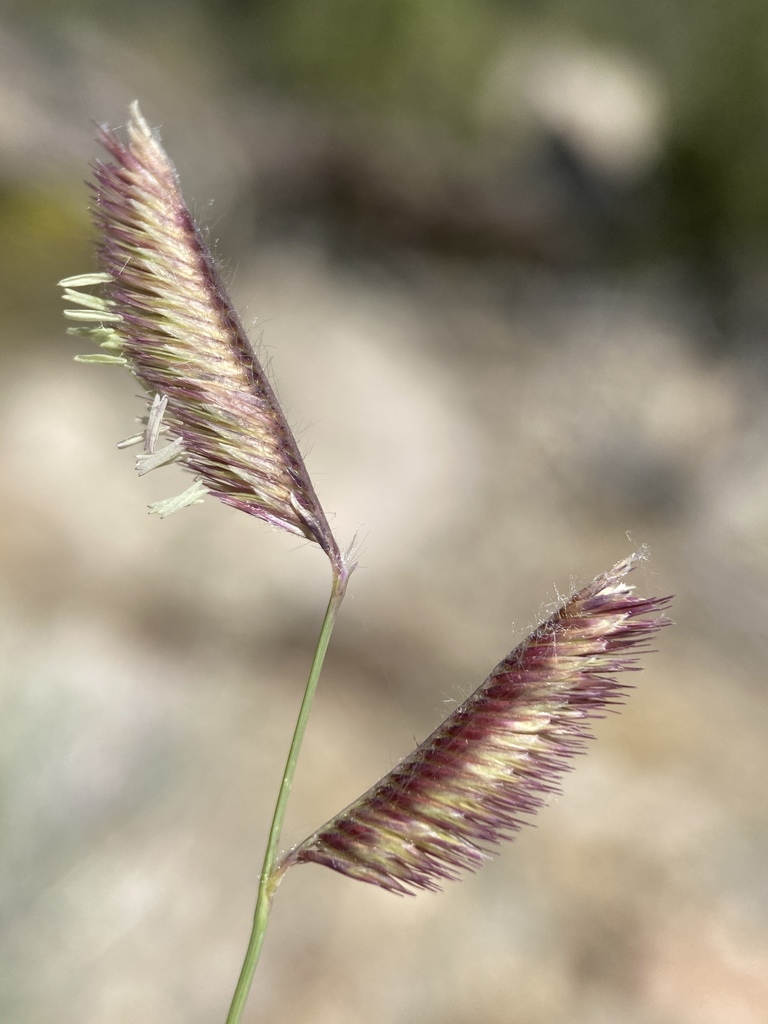
La grama azul es una hierba nativa resistente y tolerante a la sequía que forma encantadores grupos bajos. Es famosa por sus espigas únicas que parecen pequeñas pestañas o cejas flotando sobre el follaje. Esta hierba es una opción fantástica para paisajes naturalistas o céspedes de bajo mantenimiento.

De un vistazo
- Nivel de cuidados
- Fácil
- Tipo de planta
- Hierba perenne
- Luz
- Sol pleno
- Luz en interior
- Sol directo
- Riego
- Cada 7 a 14 días
- Tamaño adulto
- 1 a 2 pies
- Ritmo de crecimiento
- Medio
- Rusticidad
- USDA 3 a 10
- Floración
- Mid to late summer
Cuidados
Plante esta hierba en un lugar con mucho sol y suelo bien drenado para mantenerla feliz. Esté atento a las hojas amarillas si el suelo permanece demasiado húmedo durante mucho tiempo. Es muy resistente y necesita poca atención una vez establecida.
- Riego
- Riegue profunda pero infrecuentemente una vez que la planta esté establecida para fomentar raíces profundas.
- Abonado
- Una aplicación ligera de fertilizante balanceado a principios de primavera es suficiente.
- Poda
- Corte el follaje a unos pocos centímetros del suelo a finales de invierno o principios de primavera.
- Trasplante
- Divida los macollos cada pocos años si empiezan a verse escasos en el centro.
- Suelo
- Suelo bien drenado, arenoso o rocoso
- pH del suelo
- 6.5 a 8.0
- Temperatura
- -30 a 40°C
- Humedad
- 10 a 50%
- Tolerancia a la sequía
- Alta
- Longevidad
- Perennial, typically 5 to 10 years.
- Resistencia a ciervos y conejos
- Alta
Señales de que necesita trasplante
- Roots growing out of the drainage holes.
- Water sitting on the surface for too long.
- Stunted growth during the active season.
Seguridad
- Personas
- There are no known reports of toxicity in humans.
- Niños
- The grass blades are sharp enough to cause minor paper cuts if handled roughly by children.
- Alérgenos por contacto
- The foliage can cause mild skin irritation in sensitive individuals due to fine hairs.
- Alérgenos en el aire
- The pollen can trigger seasonal allergies in susceptible people during the late summer bloom.
- Comestibilidad
- This plant is not intended for human consumption.
Cómo identificarla
- Follaje de textura fina, de color verde grisáceo
- Espinigas distintivas en forma de pestaña curvada
- Forma matas densas y de bajo crecimiento
- Las espigas se vuelven de color tostado cuando maduran
- Altura
- 0,2 a 0,45m
- Anchura
- 0,2 a 0,4m
- Hojas
- blue-green, tan, deciduous
- Flores
- tan, purple, 2 a 5cm
Problemas frecuentes
- Rust — Fungal spots appear on leaves during periods of high humidity or poor air circulation.
Cómo cultivarla
- Propagación
- division, seed
- Cuándo plantar
- spring, early autumn
- Cuidados en invierno
- Leave the foliage standing through winter to protect the crown and provide winter interest, then trim back to the ground in early spring before new growth begins.
- En maceta
- It performs well in containers at least 30 cm deep provided the soil is gritty and fast draining.
Division
- 1. Dig up the clump in early spring.
- 2. Use a sharp spade to divide the root ball into smaller sections.
- 3. Replant immediately in well draining soil.
Seed
- 1. Sow seeds in a sunny spot in spring.
- 2. Lightly cover with soil.
- 3. Keep moist until germination.
Group this grass with other sun loving perennials that prefer lean, well draining soil.
Buenas compañeras
- Purple coneflower — They share similar water needs and provide a nice contrast in texture.
- Schizachyrium scoparium — This grass pairs well for a naturalistic prairie aesthetic.
Especies parecidas
- Bouteloua curtipendula — It is a related species with a similar growth habit but larger stature.
Ciencia
- Familia
- Poaceae
- Género
- Bouteloua
- Orden
- Poales
- Clase
- Liliopsida
- Distribución natural
- North American prairies and plains.
- Conservación
- This species is widespread and secure across its native range.
It thrives in dry, open grasslands where it competes well with other low growing prairie species.
- Valor para la fauna
- larval host plant, seeds provide food for birds
- Polinizadores
- abejas, mariposas, polillas
- Usos
- ornamental grass, xeriscaping, meadow planting, erosion control
A lo largo del año
Indicadores ecológicos
- Salinidad
- 4/9
- Reacción del suelo
- 6/9
- Luz
- 8/9
- Temperatura
- 5/9
- Humedad
- 2/9
- Nutrientes
- 3/9
Taxonomía cotejada con GBIF.
Lo que más preguntan
- Does it need a lot of water?
- No, it is highly drought tolerant once established.
- Can I grow it in a container?
- Yes, it grows well in pots with excellent drainage.
De dónde viene el nombre
The genus honors the Spanish botanist brothers Claudio and Esteban Boutelou, while the species name gracilis means slender.
Bueno saberlo
- It is the state grass of Colorado and New Mexico.
- The seed heads are held horizontally, making them easy to identify.
- It is highly resilient to foot traffic once established.
- It goes dormant and turns a beautiful straw color in winter.
También en
¿Tu grama azul tiene mal aspecto?
Esta página es una guía general. Pocket Botanist diagnostica problemas a partir de una foto de tu propia planta, calcula el riego según tu luz y tus condiciones, y te avisa cuando toca cuidarla.
Esta guía se ha generado con IA y se ha cotejado con la taxonomía de GBIF. Es información general, no asesoramiento botánico ni veterinario. Descubre cómo elaboramos estas guías.