 Pocket Botanist
Guía de plantas
hierba de cebada cola de zorro.
Hordeum jubatum
Pronunciación HOR-dee-um joo-BAY-tum
También se conoce como hierba de cebada cola de zorro


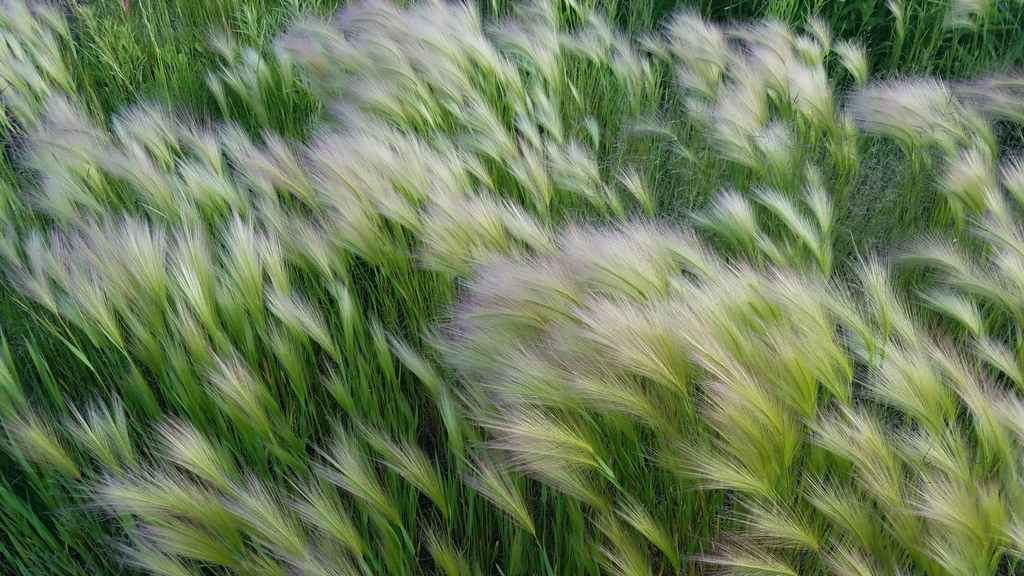
La cebada cola de zorro es una hermosa hierba ornamental conocida por sus espigas de flores sedosas y caídas. Prospera en climas fríos y añade una textura suave y aireada a cualquier espacio del jardín. Disfrutarás de cómo las cabezas de las semillas atrapan la luz mientras se mecen con la brisa.

De un vistazo
- Nivel de cuidados
- Fácil
- Tipo de planta
- Hierba perenne
- Luz
- Pleno sol
- Luz en interior
- Sol directo
- Riego
- Cada 3 a 7 días
- Tamaño adulto
- 2 pies
- Ritmo de crecimiento
- Rápido
- Rusticidad
- USDA 3 a 9
- Floración
- Finales de primavera hasta mediados de verano
Cuidados
Planta esta hierba en un lugar soleado con tierra que drene bien para mantenerla feliz. Observa que las cabezas de las semillas se sequen, ya que pueden volverse invasivas si se les permite propagarse libremente. Mantén un ojo en los niveles de humedad durante el calor del verano para evitar que el follaje se ponga marrón.
- Riego
- Mantén la tierra constantemente húmeda pero no encharcada durante la temporada de crecimiento activo.
- Abonado
- Aplica un fertilizante equilibrado de liberación lenta una vez en primavera para apoyar un crecimiento saludable.
- Poda
- Corta el follaje hasta el suelo a finales del invierno o principios de la primavera antes de que aparezca el nuevo crecimiento.
- Trasplante
- Divide los matas cada par de años para mantener el vigor y prevenir el hacinamiento.
- Suelo
- Tierra bien drenada, arenosa o franca
- pH del suelo
- 6.0 a 8.0
- Temperatura
- -35 a 35°C
- Humedad
- 30 a 70%
- Tolerancia a la sequía
- Moderada
- Longevidad
- Perenne de corta duración, típicamente de 2 a 4 años.
- Resistencia a ciervos y conejos
- Moderada
Señales de que necesita trasplante
- Las raíces crecen por los agujeros de drenaje.
- El agua pasa directamente a través de la maceta sin empaparse.
- Crecimiento atrofiado durante la temporada activa.
Seguridad
- Personas
- Esta planta no se considera tóxica para los humanos, pero las aristas afiladas son un irritante mecánico.
- Mascotas
- Las aristas afiladas pueden causar irritación física en la boca o la piel de las mascotas si se ingieren o se tocan.
- Niños
- Mantenga a los niños alejados de las cabezas de las flores, ya que las aristas afiladas y barbadas pueden perforar fácilmente la piel o causar irritación ocular.
- Alérgenos por contacto
- Las aristas rígidas y barbadas pueden causar irritación en la piel o quedarse atrapadas en la ropa.
- Alérgenos en el aire
- El polen puede desencadenar alergias estacionales en personas sensibles.
- Comestibilidad
- Las aristas afiladas y barbadas pueden causar lesiones en la boca y el tracto digestivo de los animales de pastoreo y las mascotas.
Cómo identificarla
- Espigas de flores sedosas y caídas
- Largas y arqueadas aristas en las semillas
- Follaje esbelto, verde azulado
- Hábito de crecimiento en matas
- Altura
- 0,3 a 0,6m
- Anchura
- 0,2 a 0,4m
- Hojas
- verde, verde azulado, caducifolio
- Flores
- rosa, púrpura, plateado, 5 a 12cm
- Frutos
- canela, paja, Finales de verano
Problemas a vigilar
- RoyaComún
- CarbónPoco común
- Podredumbre radicularPoco común
- PulgonesPoco común
- Óxido — Infección fúngica que causa pústulas de color naranja o marrón en el follaje.
Revisa tu hierba de cebada cola de zorro con una foto
Pocket Botanist mira una foto de tu planta y te dice qué le pasa y qué probar primero.
Cómo cultivarla
- Propagación
- semilla
- Cuándo plantar
- primavera, otoño
- Cuidados en invierno
- Recorte el follaje hasta el suelo a finales de invierno o principios de primavera, antes de que comience el nuevo crecimiento.
- En maceta
- Crece bien en contenedores, siempre que la maceta tenga al menos 30 centímetros de profundidad para acomodar el sistema radicular.
Semilla
- Recolecte las semillas a finales de verano, cuando se vuelvan de color pajizo.
- Siembre las semillas directamente en el jardín en otoño o a principios de primavera.
- Cubra ligeramente con tierra y mantenga húmedo hasta la germinación.
Plante en grupos para crear un efecto suave y ondulante en un jardín de pradera soleado.
Buenas compañeras
- Gaciana — Comparten requisitos similares de sol y suelo bien drenado.
- Grama azul — Esta hierba proporciona un bonito contraste textural con las suaves espigas de la cebada.
Especies parecidas
- Hordeum murinum — Es una especie estrechamente relacionada con hábitos de crecimiento similares, aunque a menudo más agresivos.
Ciencia
- Familia
- Poaceae
- Género
- Hordeum
- Orden
- Poales
- Clase
- Liliopsida
- Distribución natural
- América del Norte y partes de Asia.
- Conservación
- Esta especie está muy extendida y no preocupa su conservación.
Es una especie pionera que coloniza rápidamente suelos alterados, salinos o alcalinos.
- Valor para la fauna
- las semillas proporcionan alimento para las aves, material de anidación para las aves
- Polinizadores
- abejas, mariposas
- Usos
- hierba ornamental, arreglos florales secos, restauración de praderas
A lo largo del año
Indicadores ecológicos
- Salinidad
- 6/9
- Reacción del suelo
- 7/9
- Luz
- 8/9
- Temperatura
- 5/9
- Humedad
- 4/9
- Nutrientes
- 3/9
Taxonomía cotejada con GBIF.
Lo que más preguntan
- ¿Es invasora?
- Puede ser agresiva en áreas alteradas y se considera una mala hierba en algunas regiones.
- ¿Puedo cultivarla en una maceta?
- Sí, crece bien en contenedores si se le da mucha luz solar y buen drenaje.
De dónde viene el nombre
Hordeum es el antiguo nombre latino de la cebada, mientras que jubatum significa crestado o melenudo, refiriéndose a las largas y sedosas aristas.
Bueno saberlo
- Las espigas inclinadas parecen una cola de ardilla, lo que le da el nombre común de cebada cola de ardilla.
- Prospera en suelos salinos donde otras plantas luchan.
- Las semillas se dispersan por el viento y el pelaje de los animales.
También en
Que tu hierba de cebada cola de zorro siga creciendo
Esta página es una guía general. Guarda tu planta en Pocket Botanist y tendrás recordatorios de cuidado pensados para esta planta, además de un historial de cuidados que muestra qué ha funcionado.
Esta guía se ha generado con IA y se ha cotejado con la taxonomía de GBIF. Es información general, no asesoramiento botánico ni veterinario. Descubre cómo elaboramos estas guías.