 Pocket Botanist
Plant guide
Balloon plant.
Gomphocarpus physocarpus
Pronounced gom-fo-KAR-pus fy-so-KAR-pus
Also known as Balloon Cottonbush, Balloon cotton bush, Old Man's Balls, balloon cotton-bush, balloon plant, bladderbush, cottonbush, goose plant


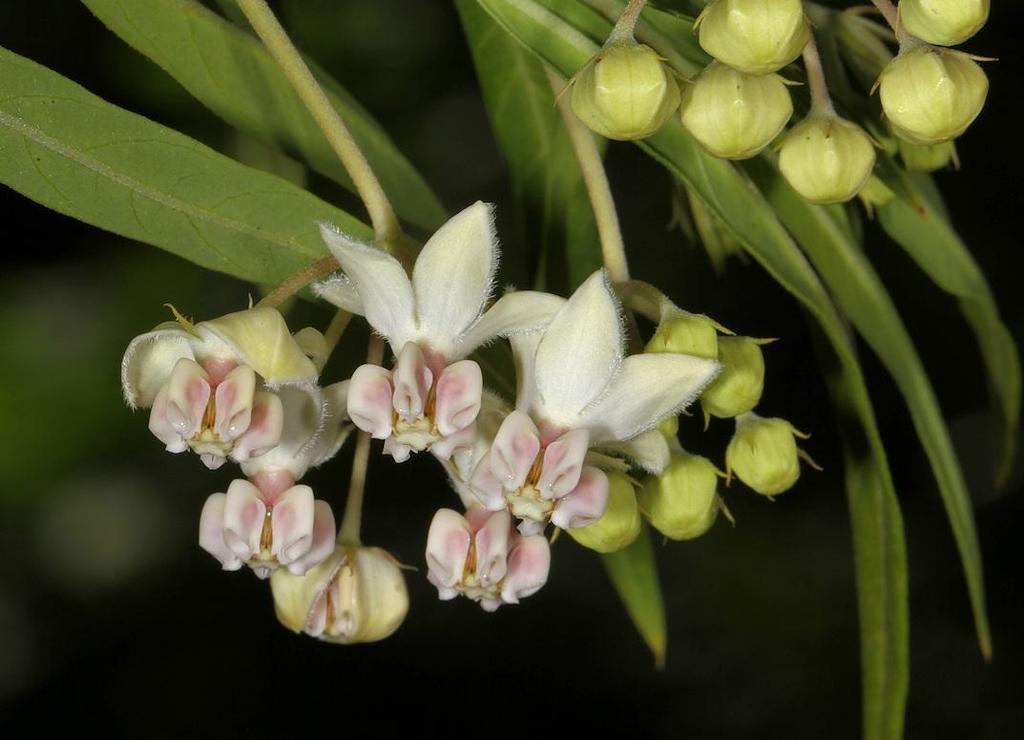
The balloon plant is a fascinating member of the milkweed family known for its unique, inflated seed pods. It grows as a perennial shrub and serves as a vital host plant for monarch butterfly caterpillars. You will love how these quirky pods add visual interest to any sunny garden bed.
At a glance
- Care level
- Easy
- Plant type
- Perennial shrub
- Light
- Full sun
- Indoor light
- Direct sun
- Water
- Every 5 to 10 days
- Mature size
- 6 feet
- Growth rate
- Fast
- Hardiness
- USDA 9 to 11
- Bloom time
- Summer to autumn
Care
Plant this shrub in a spot with plenty of sun and well draining soil. Watch for aphids on the stems and keep an eye on the soil moisture to prevent wilting during hot spells. Prune back after flowering to encourage a bushier shape and more blooms next season.
- Watering
- Water deeply when the top inch of soil feels dry to the touch.
- Feeding
- Apply a balanced liquid fertilizer during the active growing season.
- Pruning
- Cut back the plant in late winter or early spring to maintain size.
- Repotting
- Repot when the roots begin to circle the bottom of the container.
- Soil
- Well draining, sandy or loamy soil
- Soil pH
- 6.0 to 7.5
- Temperature
- 5 to 35°C
- Humidity
- 40 to 70%
- Drought tolerance
- Moderate
- Lifespan
- Short lived perennial, often treated as an annual.
- Deer and rabbits
- High
Signs it needs repotting
- Roots growing out of the drainage holes.
- Water sitting on top of the soil for too long.
- Plant growth slows significantly.
Safety
- People
- The milky sap is toxic if ingested and can cause significant skin or eye irritation.
- Pets
- This plant contains cardiac glycosides and is considered toxic to cats and dogs if ingested.
- Children
- Keep this plant away from children because the milky sap is poisonous and the pods look like toys.
- Contact allergens
- The milky latex sap can cause contact dermatitis in sensitive individuals.
- Airborne allergens
- There are no notable airborne allergen risks associated with this plant.
- Edibility
- This plant is not for consumption as all parts contain cardiac glycosides.
How to identify it
- Large, inflated, lime green seed pods
- Narrow, lance shaped green leaves
- Small, white, star shaped flowers
- Hairy, bladder like fruit texture
- Height
- 1 to 2m
- Spread
- 0.6 to 1.2m
- Leaves
- green, evergreen
- Flowers
- white, 1 to 2cm
- Fruit
- light green, Autumn
Problems to watch for
- AphidsCommon
- Milkweed BugsCommon
- Root RotUncommon
- Sooty MoldUncommon
Check your balloon plant from a photo
Pocket Botanist looks at a photo of your plant and tells you what's wrong and what to try first.
Growing it
- Propagation
- seed, cuttings
- When to plant
- spring, early summer
- Overwintering
- In cooler areas, bring the container indoors before the first frost. If planted in the ground in frost prone areas, treat it as an annual and replant in spring.
- In containers
- It grows well in large containers, at least 30 centimeters in diameter, to accommodate its root system.
Seed
- 1. Collect dry pods in autumn.
- 2. Sow seeds in well draining soil in spring.
- 3. Keep moist until germination.
Plant in groups to create a stronger visual impact and attract more pollinators.
Grows well with
Similar species
- Common Milkweed — It is a related species that also serves as a host for butterflies.
Science
- Family
- Apocynaceae
- Genus
- Gomphocarpus
- Order
- Gentianales
- Class
- Magnoliopsida
- Native range
- Southern Africa
- Conservation
- This plant is not of conservation concern and is considered a weed in some parts of the world.
It grows in disturbed areas and open grasslands where it relies on wind to disperse its seeds.
- Value to wildlife
- larval host plant, nectar source
- Pollinators
- bees, butterflies
- Uses
- ornamental, floral arrangements, butterfly garden
Through the year
Ecological indicators
- Salinity
- 2/9
- Soil reaction
- 6/9
- Light
- 7/9
- Temperature
- 7/9
- Moisture
- 5/9
- Nutrients
- 4/9
Taxonomy resolved against GBIF.
Questions people ask
- Is this plant safe for pets?
- No, it is toxic to dogs and cats if ingested.
- Does it need full sun?
- Yes, it thrives best in full sun to light shade.
Where the name comes from
Gomphocarpus comes from Greek words meaning swollen fruit, referring to the inflated pods.
Good to know
- Commonly called hairy balls or balloon plant due to the fuzzy, inflated seed pods.
- It is a member of the milkweed family.
- The pods are hollow and light, making them float easily.
- It serves as a host plant for the monarch butterfly.
Also in
Keep your balloon plant growing
This page is a general guide. Save your plant in Pocket Botanist and you get care reminders timed for this plant, plus a care history that shows what worked.
This guide was generated with AI and checked against GBIF taxonomy. It is general information, not horticultural or veterinary advice. Read about how we build these guides.