 Pocket Botanist
Plant guide
Chicory.
Cichorium intybus L.
Pronounced si-KOR-ee-um in-TY-bus
Also known as Belgium Endive, Blowball, Blue Sailors, Bunk Chicory, Chickory, Chicory


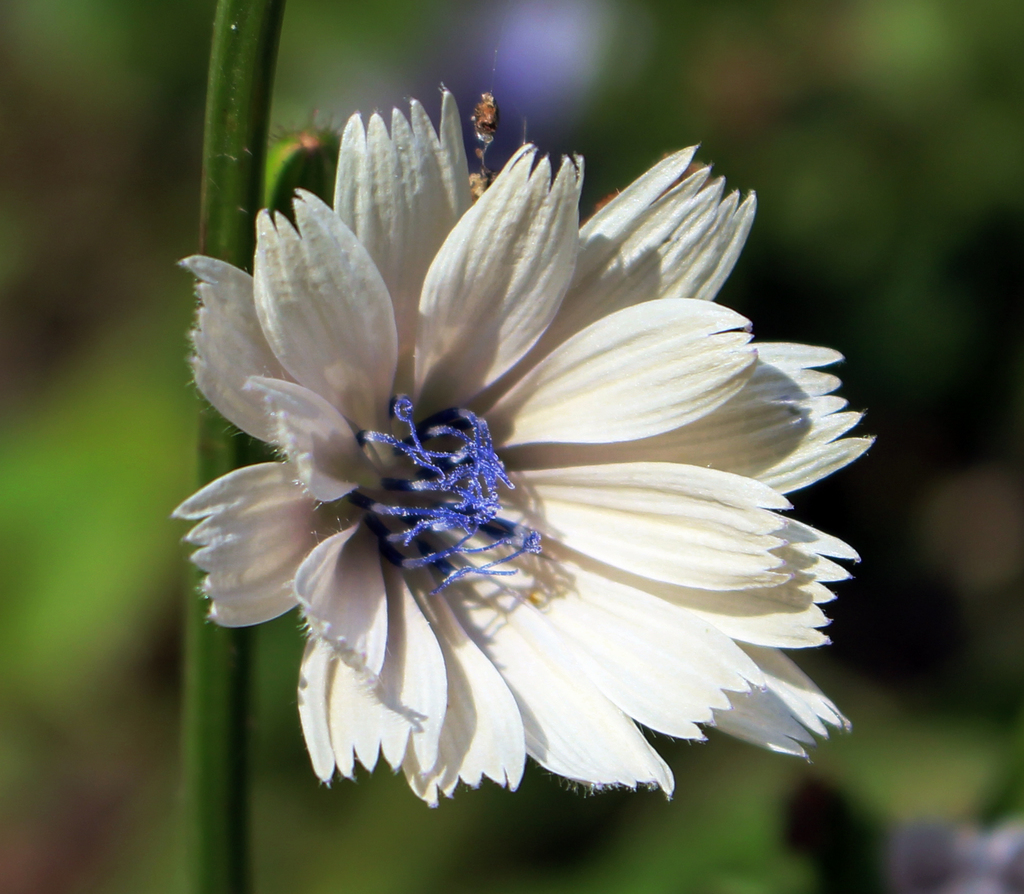
Chicory is a hardy perennial herb known for its vibrant blue flowers and edible roots. It grows well in many conditions and is often found along roadsides. You'll love how easy it is to grow in your own garden.

At a glance
- Care level
- Easy
- Plant type
- Perennial herb
- Light
- Full sun
- Indoor light
- Direct sun
- Water
- Every 5 to 10 days
- Mature size
- 3 to 5 feet
- Growth rate
- Medium
- Hardiness
- USDA 3 to 10
- Bloom time
- Mid summer to early autumn
Care
Plant in well draining soil and ensure it receives plenty of sun. Watch for wilting during extreme heat and keep the soil moist but not waterlogged. Deadhead the flowers if you want to encourage a longer blooming season.
- Watering
- Water when the top inch of soil feels dry to the touch.
- Feeding
- Apply a balanced fertilizer once during the growing season.
- Pruning
- Trim back spent flower stalks to keep the plant tidy.
- Repotting
- Repot if the plant becomes root bound in its container.
- Soil
- Well draining loamy soil
- Soil pH
- 6.0 to 7.5
- Temperature
- -20 to 35°C
- Humidity
- 30 to 70%
- Drought tolerance
- High
- Lifespan
- Perennial, typically 3 to 5 years.
- Deer and rabbits
- Moderate
Signs it needs repotting
- Roots growing out of the drainage holes.
- Stunted growth despite regular care.
Safety
- People
- The plant is generally considered safe but may cause contact dermatitis in sensitive individuals.
- Pets
- Chicory is generally considered non toxic to cats and dogs.
- Children
- There are no specific safety concerns for children, but the stems can be slightly coarse.
- Contact allergens
- The milky sap can cause skin irritation or rashes upon contact.
- Airborne allergens
- Pollen from chicory can trigger hay fever symptoms in some people during the late summer.
- Edibility
- While the leaves and roots are commonly eaten, consume in moderation as high intake may cause digestive discomfort.
How to identify it
- Bright blue daisy like flowers
- Deeply lobed dandelion like leaves
- Stiff branching stems
- Long fleshy taproot
- Height
- 0.3 to 1.5m
- Spread
- 0.3 to 0.6m
- Leaves
- green, deciduous
- Flowers
- blue, white, 3 to 5cm
Problems to watch for
- AphidsCommon
- BoltingCommon
- RustCommon
- Slugs and SnailsCommon
- Aster YellowsUncommon
- Powdery MildewUncommon
- Root RotUncommon
Check your chicory from a photo
Pocket Botanist looks at a photo of your plant and tells you what's wrong and what to try first.
Growing it
- Propagation
- seed
- When to plant
- spring, autumn
- Overwintering
- The foliage will die back in winter, but the taproot remains hardy and will resprout in spring.
- In containers
- Chicory grows well in deep containers, at least 12 inches deep, to accommodate its long taproot.
Seed Sowing
- Sow seeds directly in the garden in spring.
- Cover lightly with soil.
- Keep the area moist until germination.
Plant chicory in full sun to ensure the best flower production and root development.
Grows well with
Similar species
- Endive — It is a close culinary relative often grown for salad greens.
Science
- Family
- Asteraceae
- Genus
- Cichorium
- Order
- Asterales
- Class
- Magnoliopsida
- Native range
- Europe, Western Asia, and North Africa.
- Conservation
- This plant is widely naturalized and not of conservation concern.
It thrives in disturbed soils and roadsides where it can outcompete other species with its deep taproot.
- Value to wildlife
- nectar source
- Pollinators
- bees, butterflies
- Uses
- culinary greens, coffee substitute, ornamental, pollinator garden
Through the year
Ecological indicators
- Nutrients
- 5/9
- Moisture
- 4/9
- Salinity
- 3/9
- Soil reaction
- 7/9
- Light
- 8/9
- Temperature
- 5/9
Taxonomy resolved against GBIF.
Questions people ask
- Is chicory a weed?
- It is often considered a weed in pastures and roadsides, though it is intentionally cultivated for food.
- How do I harvest the roots?
- Dig them up in late autumn when the plant has finished flowering.
Where the name comes from
The name Cichorium comes from the Greek word kichore, while intybus is derived from the Latin for endive.
Good to know
- Chicory flowers typically open in the morning and close by the afternoon.
- The plant was historically used as a folk remedy for liver health.
- It is a close relative of endive and radicchio.
Also in
Keep your chicory growing
This page is a general guide. Save your plant in Pocket Botanist and you get care reminders timed for this plant, plus a care history that shows what worked.
This guide was generated with AI and checked against GBIF taxonomy. It is general information, not horticultural or veterinary advice. Read about how we build these guides.