 Pocket Botanist
Guía de plantas
Achicoria.
Cichorium intybus L.
Pronunciación si-KOR-ee-um in-TY-bus
También se conoce como Achicoria


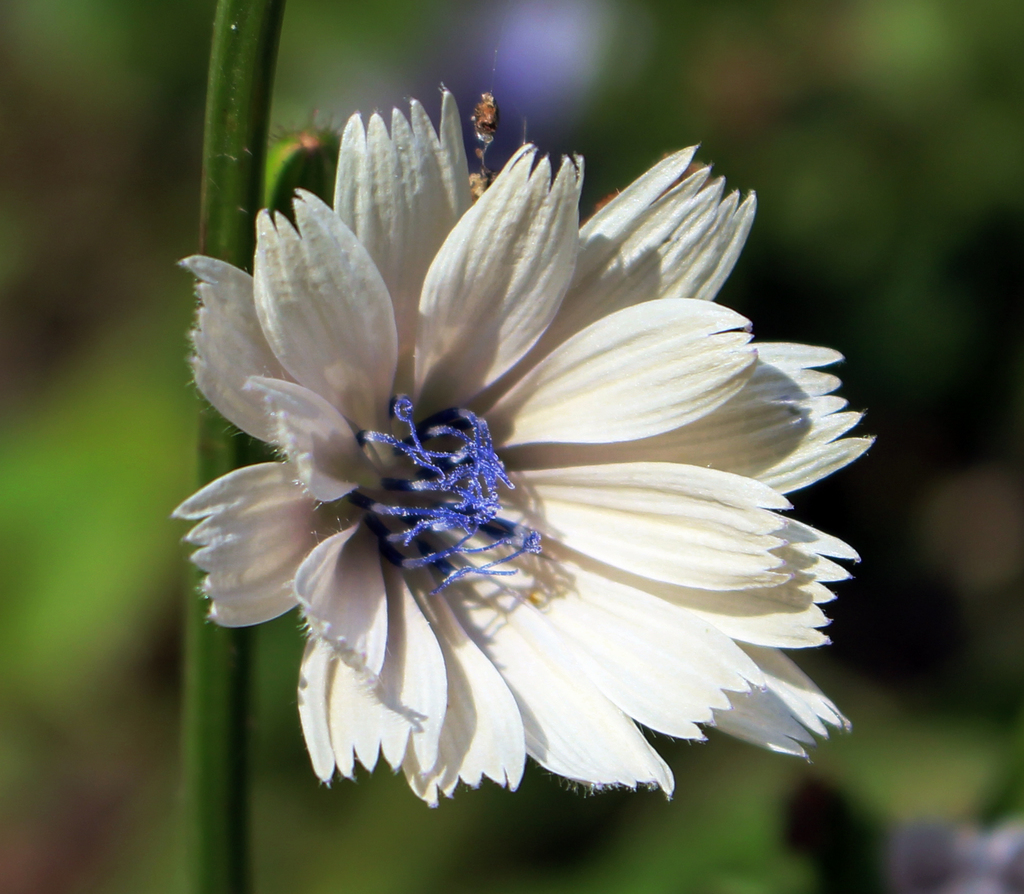
La achicoria es una hierba perenne resistente conocida por sus vibrantes flores azules y sus raíces comestibles. Crece bien en muchas condiciones y a menudo se encuentra a lo largo de los caminos. Te encantará lo fácil que es cultivarla en tu propio jardín.

De un vistazo
- Nivel de cuidados
- Fácil
- Tipo de planta
- Hierba perenne
- Luz
- Pleno sol
- Luz en interior
- Sol directo
- Riego
- Cada 7 a 14 días
- Tamaño adulto
- 3 a 5 pies
- Ritmo de crecimiento
- Medio
- Rusticidad
- USDA 3 a 10
- Floración
- Mediados de verano hasta principios de otoño
Cuidados
Planta en tierra con buen drenaje y asegúrate de que reciba mucho sol. Vigila si se marchita durante el calor extremo y mantén la tierra húmeda pero no encharcada. Corta las flores marchitas si quieres fomentar una temporada de floración más larga.
- Riego
- Riega regularmente hasta que esté establecida, luego deja que la tierra se seque un poco entre riegos.
- Abonado
- Aplica un fertilizante equilibrado una vez durante la temporada de crecimiento.
- Poda
- Recorta los tallos de flores marchitas para mantener la planta ordenada.
- Trasplante
- Trasplanta si la planta se queda con las raíces apretadas en su contenedor.
- Suelo
- Tierra franca con buen drenaje
- pH del suelo
- 6.0 a 7.5
- Temperatura
- -20 a 35°C
- Humedad
- 30 a 70%
- Tolerancia a la sequía
- Alta
- Longevidad
- Perenne, típicamente de 3 a 5 años.
- Resistencia a ciervos y conejos
- Moderada
Señales de que necesita trasplante
- Raíces saliendo de los agujeros de drenaje.
- Crecimiento atrofiado a pesar del cuidado regular.
Seguridad
- Personas
- La planta se considera generalmente segura, pero puede causar dermatitis de contacto en personas sensibles.
- Mascotas
- La achicoria generalmente se considera no tóxica para gatos y perros.
- Niños
- No hay preocupaciones específicas de seguridad para los niños, pero los tallos pueden ser ligeramente ásperos.
- Alérgenos por contacto
- La savia lechosa puede causar irritación o erupciones cutáneas al contacto.
- Alérgenos en el aire
- El polen de la achicoria puede desencadenar síntomas de fiebre del heno en algunas personas a finales del verano.
- Comestibilidad
- Aunque las hojas y las raíces se consumen comúnmente, consúmelas con moderación, ya que una ingesta elevada puede causar molestias digestivas.
Cómo identificarla
- Flores brillantes de color azul similar a las margaridas
- Hojas profundamente lobuladas parecidas a las del diente de león
- Tallos rígidos y ramificados
- Raíz pivotante carnosa y larga
- Altura
- 0,3 a 1,5m
- Anchura
- 0,3 a 0,6m
- Hojas
- verde, caducifolio
- Flores
- azul, blanco, 3 a 5cm
Problemas a vigilar
- Babosas y caracolesComún
- PulgonesComún
- RoyaComún
- Subida a florComún
- Amarillez del ásterPoco común
- OídioPoco común
- Podredumbre radicularPoco común
Por síntoma
Revisa tu achicoria con una foto
Pocket Botanist mira una foto de tu planta y te dice qué le pasa y qué probar primero.
Cómo cultivarla
- Propagación
- semilla
- Cuándo plantar
- primavera, otoño
- Cuidados en invierno
- El follaje se marchitará en invierno, pero la raíz pivotante se mantiene resistente y volverá a brotar en primavera.
- En maceta
- La achicoria crece bien en contenedores profundos, de al menos 30 cm de profundidad, para acomodar su larga raíz pivotante.
Siembra de semillas
- Siembra las semillas directamente en el jardín en primavera.
- Cúbrelas ligeramente con tierra.
- Mantén el área húmeda hasta la germinación.
Planta la achicoria a pleno sol para asegurar la mejor producción de flores y el desarrollo de las raíces.
Buenas compañeras
- Zanahoria — Comparten requisitos de suelo similares.
- Hinojo de Florencia — Crecen bien juntos en jardines de hierbas soleados.
Especies parecidas
- Escarola — Es un pariente culinario cercano que a menudo se cultiva para ensaladas.
Ciencia
- Familia
- Asteraceae
- Género
- Cichorium
- Orden
- Asterales
- Clase
- Magnoliopsida
- Distribución natural
- Europa, Asia Occidental y África del Norte.
- Conservación
- Esta planta está ampliamente naturalizada y no es motivo de preocupación para la conservación.
Prospera en suelos alterados y bordes de carreteras, donde puede superar a otras especies con su profunda raíz pivotante.
- Valor para la fauna
- fuente de néctar
- Polinizadores
- abejas, mariposas
- Usos
- verdes culinarios, sustituto del café, ornamental, jardín para polinizadores
A lo largo del año
Indicadores ecológicos
- Nutrientes
- 5/9
- Humedad
- 4/9
- Salinidad
- 3/9
- Reacción del suelo
- 7/9
- Luz
- 8/9
- Temperatura
- 5/9
Taxonomía cotejada con GBIF.
Lo que más preguntan
- ¿Es la achicoria una mala hierba?
- A menudo se considera una mala hierba en pastos y bordes de carreteras, aunque se cultiva intencionalmente para el consumo.
- ¿Cómo se cosechan las raíces?
- Desentierre las raíces a finales de otoño, cuando la planta haya terminado de florecer.
De dónde viene el nombre
El nombre Cichorium proviene de la palabra griega kichore, mientras que intybus deriva del latín para escarola.
Bueno saberlo
- Las flores de la achicoria suelen abrirse por la mañana y cerrarse por la tarde.
- Históricamente, la planta se usó como remedio popular para la salud del hígado.
- Es un pariente cercano de la escarola y el radicchio.
También en
Que tu achicoria siga creciendo
Esta página es una guía general. Guarda tu planta en Pocket Botanist y tendrás recordatorios de cuidado pensados para esta planta, además de un historial de cuidados que muestra qué ha funcionado.
Esta guía se ha generado con IA y se ha cotejado con la taxonomía de GBIF. Es información general, no asesoramiento botánico ni veterinario. Descubre cómo elaboramos estas guías.