 Pocket Botanist
Plant guide
Habanero pepper.
Capsicum chinense
Pronounced KAP-sih-kum chi-NEN-see
Also known as Chinese capsicum, aji, aji pepper, biquinho pepper, bonnet pepper, datil pepper, fatalii pepper



Scan with your phone's camera to get the app
Or go to pocketbotanist.app/get on your phone
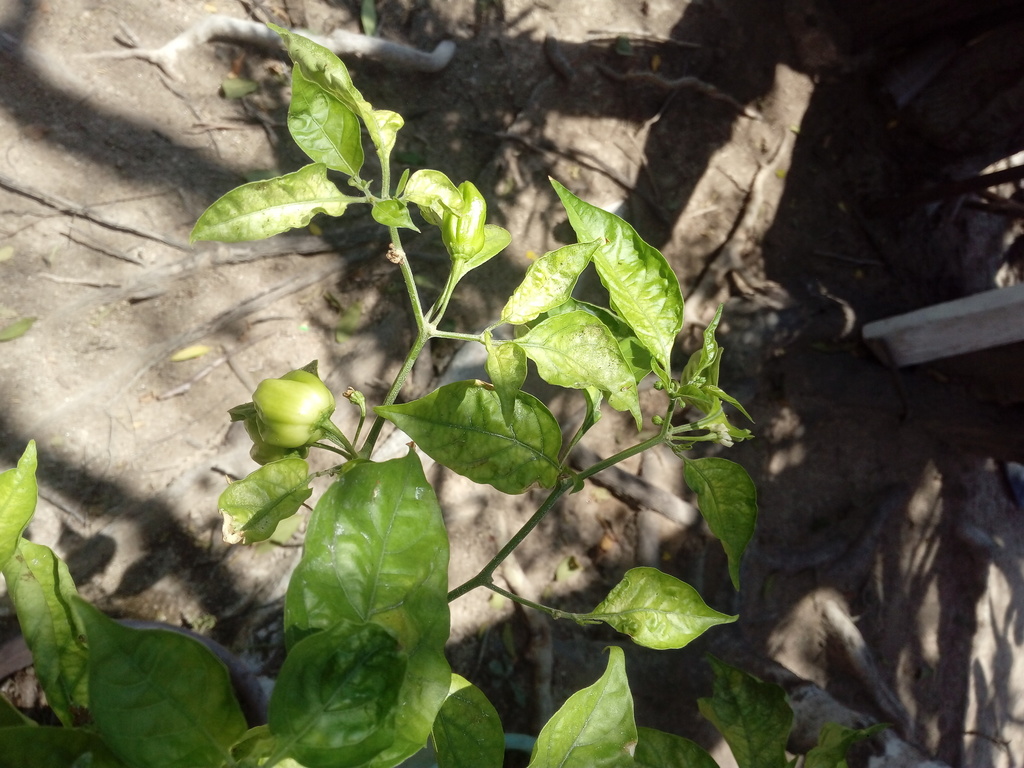
This plant is famous for producing some of the hottest peppers in the world. It thrives in warm climates and loves soaking up plenty of sun. You will enjoy its bushy growth and vibrant, wrinkled fruits.
At a glance
- Care level
- Moderate
- Plant type
- Perennial vegetable
- Light
- Full sun
- Indoor light
- Direct sun
- Water
- Every 2 to 4 days
- Mature size
- 3 to 4 feet
- Growth rate
- Fast
- Hardiness
- USDA 9 to 11
- Bloom time
- Mid to late summer
Care
Keep the soil consistently moist but never soggy to prevent root issues. Watch for drooping leaves as a sign that the plant is thirsty. Ensure it gets plenty of airflow to keep pests away.
- Watering
- Water when the top inch of soil feels dry to the touch.
- Feeding
- Use a balanced liquid fertilizer during the active growing season.
- Pruning
- Trim back leggy stems to encourage a bushier shape and better fruit production.
- Repotting
- Move to a larger container once the roots begin to circle the bottom of the pot.
- Soil
- Well-draining, nutrient-rich potting mix
- Soil pH
- 6.0 to 6.8
- Temperature
- 15 to 35°C
- Humidity
- 40 to 70%
- Drought tolerance
- Moderate
- Lifespan
- Short-lived perennial, often grown as an annual.
- Deer and rabbits
- High
Signs it needs repotting
- Roots growing out of the drainage holes.
- Plant growth slows significantly.
- Soil dries out very quickly.
Safety
- People
- The plant is generally safe to handle, but the fruit can cause intense burning sensations on skin and mucous membranes.
- Pets
- This plant is generally considered non-toxic to cats and dogs, though the spicy oils can cause irritation if ingested.
- Children
- Keep children away from the fruits as the intense heat can cause significant distress if touched or ingested.
- Contact allergens
- Handling the fruit without gloves can cause a burning sensation on sensitive skin.
- Airborne allergens
- Cooking these peppers can release capsaicin aerosols that may irritate the respiratory tract.
- Edibility
- These peppers contain extremely high levels of capsaicin and should be handled with gloves to avoid severe skin or eye irritation.
How to identify it
- Wrinkled, lantern shaped fruits
- Broad, ovate green leaves
- Small, white star shaped flowers
- Bushy, branching growth habit
- Height
- 0.45 to 1.2m
- Spread
- 0.3 to 0.9m
- Leaves
- green, evergreen
- Flowers
- white, greenish-white, 1 to 2cm
- Fruit
- red, orange, yellow, brown, Late summer to autumn
Problems to watch for
- Aphids · Small insects that cluster on new growth and suck plant sap.
- Bacterial leaf spot · Causes dark, water-soaked spots on leaves and stems.
Check your habanero pepper from a photo
Pocket Botanist looks at a photo of your plant and tells you what's wrong and what to try first.
Scan with your phone's camera to get the app
Or go to pocketbotanist.app/get on your phone
Growing it
- Propagation
- seed
- When to plant
- spring
- Overwintering
- Bring containers indoors before the first frost. Keep them in a sunny window and reduce watering until spring.
- In containers
- They are excellent in containers, provided you use a pot with good drainage and at least 12 inches of depth.
Seed starting
- 1. Sow seeds in a warm, moist seed starting mix.
- 2. Keep the tray in a warm spot, ideally around 25 degrees Celsius.
- 3. Once true leaves appear, transplant into individual pots.
Planting aromatic herbs nearby can help mask the scent of your peppers from potential pests.
Grows well with
Keep away from
- Fennel · Fennel can inhibit the growth of many garden vegetables.
Similar species
- Bell Pepper · A related species that is much milder and more common in home gardens.
Science
- Family
- Solanaceae
- Genus
- Capsicum
- Order
- Solanales
- Class
- Magnoliopsida
- Native range
- Central and South America, and the Caribbean.
- Conservation
- Not of conservation concern as it is widely cultivated globally.
It is a perennial shrub in its native tropical habitat that relies on insects for pollination.
- Value to wildlife
- nectar source
- Pollinators
- bees
- Uses
- culinary spice, hot sauce production, ornamental container plant
Through the year
Ecological indicators
- Salinity
- 2/9
- Soil reaction
- 6/9
- Light
- 8/9
- Temperature
- 8/9
- Moisture
- 6/9
- Nutrients
- 7/9
Taxonomy resolved against GBIF.
Questions people ask
- How do I know when to harvest?
- Harvest when the peppers reach their full, vibrant color and feel firm.
- Can I grow them in pots?
- Yes, they grow quite well in containers at least 5 gallons in size.
Where the name comes from
The species name chinense was mistakenly assigned by Nikolaus Joseph von Jacquin, who believed the plant originated in China.
Good to know
- The name chinense is a misnomer, as the plant is native to the Americas, not China.
- Capsaicin is the chemical compound responsible for the heat in these peppers.
- These peppers thrive in high heat and humidity.
Also in
Keep your habanero pepper growing
This page is a general guide. Save your plant in Pocket Botanist and you get care reminders timed for this plant, plus a care history that shows what worked.
Scan with your phone's camera to get the app
Or go to pocketbotanist.app/get on your phone
This guide was generated with AI on and checked against GBIF taxonomy. It is general information, not horticultural or veterinary advice. Read about how we build these guides.