 Pocket Botanist
Plant guide
Cherimoya.
Annona cherimola
Pronounced uh-NO-nuh cheh-ri-MO-luh
Also known as Cherimoya, cherimoyer, custard apple, custard-apple



Scan with your phone's camera to get the app
Or go to pocketbotanist.app/get on your phone
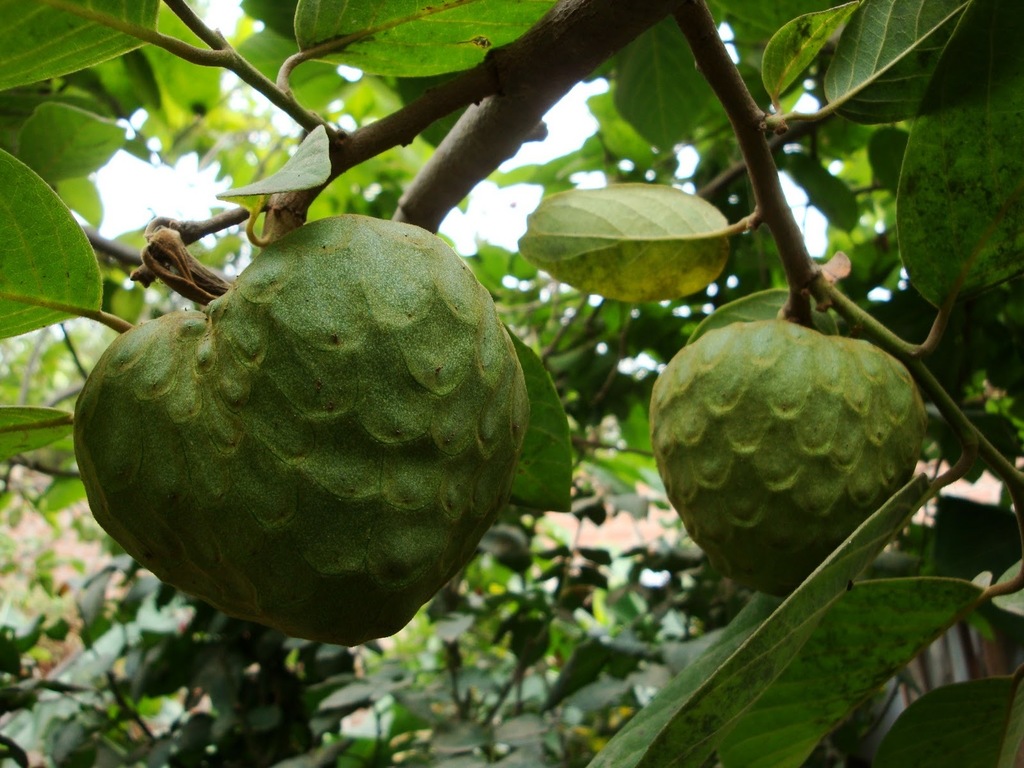
The cherimoya is a lovely subtropical fruit tree known for its delicious, custard like flavor. It thrives in cool, frost free climates and produces heart shaped green fruits. You will find it makes a rewarding addition to a sunny garden or large container.

At a glance
- Care level
- Moderate
- Plant type
- Fruit tree
- Light
- Full sun to partial shade
- Indoor light
- Bright indirect
- Water
- Every 7 to 14 days
- Mature size
- 20 to 30 feet
- Growth rate
- Medium
- Hardiness
- USDA 9 to 11
- Bloom time
- Late spring to summer
Care
Keep the soil consistently moist but never soggy to prevent root issues. Watch for yellowing leaves, which often signal overwatering or poor drainage. Protect the tree from harsh afternoon sun and freezing temperatures to keep it happy.
- Watering
- Water deeply when the top few inches of soil feel dry to the touch.
- Feeding
- Apply a balanced fertilizer during the active growing season.
- Pruning
- Prune in late winter to maintain shape and encourage better fruit production.
- Repotting
- Repot when the roots begin to circle the bottom of the container.
- Soil
- Well draining loamy soil
- Soil pH
- 6.5 to 7.5
- Temperature
- 0 to 35°C
- Humidity
- 50 to 70%
- Drought tolerance
- Moderate
- Lifespan
- Perennial, typically 20 to 30 years.
- Fragrance
- Strong
- Deer and rabbits
- Moderate
Signs it needs repotting
- Roots growing out of the drainage holes.
- Water sitting on the surface for too long.
- Stunted growth despite regular feeding.
Safety
- People
- The seeds and leaves contain annonacin, which is toxic if ingested.
- Pets
- The seeds and leaves contain annonacin, which is toxic to cats and dogs if ingested.
- Children
- Keep small children away from the seeds as they are hard and pose a choking hazard, plus they contain toxins.
- Contact allergens
- Handling the leaves or sap may cause mild skin irritation in sensitive individuals.
- Airborne allergens
- Pollen can trigger mild allergic reactions in sensitive people during the flowering season.
- Edibility
- The seeds contain toxic alkaloids and should never be consumed.
How to identify it
- Heart shaped green fruit
- Velvety textured skin
- Oval shaped dark green leaves
- Fragrant greenish yellow flowers
- Height
- 3 to 9m
- Spread
- 3 to 6m
- Leaves
- green, semi-evergreen
- Flowers
- green, yellow, 2 to 3cm
- Fruit
- green, Autumn to winter
Problems to watch for
- MealybugsCommon
- Root RotCommon
- AnthracnoseUncommon
- ChlorosisUncommon
- Scale InsectsUncommon
- Sooty MoldUncommon
Check your cherimoya from a photo
Pocket Botanist looks at a photo of your plant and tells you what's wrong and what to try first.
Scan with your phone's camera to get the app
Or go to pocketbotanist.app/get on your phone
Growing it
- Propagation
- seed, grafting
- When to plant
- Spring
- Overwintering
- Protect from frost by covering with horticultural fleece or moving containers indoors to a bright, cool location.
- In containers
- It can be grown in large containers, but it will require a pot of at least 50 liters to thrive.
Seed
- 1. Clean the seeds thoroughly to remove pulp.
- 2. Soak seeds in warm water for 24 hours.
- 3. Plant in well draining soil mix.
- 4. Keep warm and moist until germination occurs.
Grafting
- 1. Select a healthy rootstock.
- 2. Use a whip or cleft graft technique.
- 3. Secure the graft union with grafting tape.
- 4. Monitor for successful union and new growth.
Planting low growing nitrogen fixing ground covers can help maintain soil fertility around the base of the tree.
Grows well with
- Coffee · They share similar light and moisture requirements in subtropical settings.
- Passion fruit · This vine can grow alongside the tree without competing for root space.
Similar species
- Sugar apple · It is a closely related species that thrives in warmer, more tropical conditions.
- Guanabana · Another member of the same family with similar growth habits and fruit characteristics.
Science
- Family
- Annonaceae
- Genus
- Annona
- Order
- Magnoliales
- Class
- Magnoliopsida
- Native range
- Andes mountains of Ecuador, Peru, and Colombia.
- Conservation
- Not currently of conservation concern.
It thrives in high altitude tropical climates where it benefits from cool nights and moderate daytime temperatures.
- Value to wildlife
- nectar source
- Pollinators
- beetles
- Uses
- culinary fruit, ornamental tree
Through the year
Ecological indicators
- Salinity
- 2/9
- Soil reaction
- 6/9
- Light
- 7/9
- Temperature
- 8/9
- Moisture
- 5/9
- Nutrients
- 6/9
Taxonomy resolved against GBIF.
Questions people ask
- Do I need two trees for fruit?
- While they are self fertile, cross pollination between two different trees often results in higher yields.
- How do I know when to pick it?
- Harvest when the skin turns from dark green to a lighter, pale green hue and the fruit yields slightly to pressure.
Where the name comes from
The name Annona is derived from the Latin word for yearly produce, while cherimola comes from the indigenous Quechua term for the fruit.
Good to know
- The cherimoya was famously called the most delicious fruit known to man by Mark Twain.
- These trees require hand pollination in many areas due to a lack of natural beetle pollinators.
- The fruit skin is thin and delicate, making it difficult to transport long distances.
- Cherimoya trees can produce fruit within 3 to 5 years when grown from grafts.
- The name comes from the Quechua word chirimuya, meaning cold seeds.
Also in
Keep your cherimoya growing
This page is a general guide. Save your plant in Pocket Botanist and you get care reminders timed for this plant, plus a care history that shows what worked.
Scan with your phone's camera to get the app
Or go to pocketbotanist.app/get on your phone
This guide was generated with AI on and checked against GBIF taxonomy. It is general information, not horticultural or veterinary advice. Read about how we build these guides.