 Pocket Botanist
Plant guide
Sugar apple.
Annona squamosa
Pronounced uh-NO-nuh skwah-MO-suh
Also known as Scopapel, Sugar Apple, Sugar apple, Sweetsop, custard-apple



Scan with your phone's camera to get the app
Or go to pocketbotanist.app/get on your phone

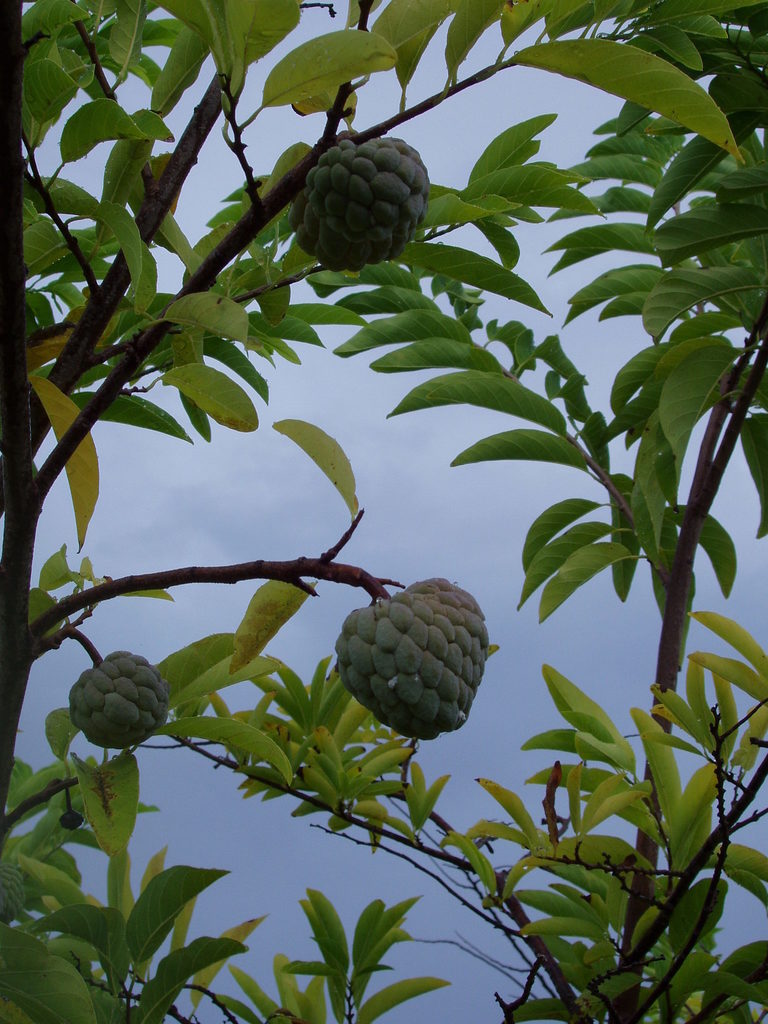
The sugar apple is a lovely tropical fruit tree known for its sweet, creamy custard like flesh. It thrives in warm climates and produces unique, segmented green fruits. You will enjoy watching it grow if you can provide plenty of heat and humidity.
At a glance
- Care level
- Moderate
- Plant type
- Fruit tree
- Light
- Full sun
- Indoor light
- Direct sun
- Water
- Every 3 to 7 days
- Mature size
- 20 feet
- Growth rate
- Medium
- Hardiness
- USDA 10 to 12
- Bloom time
- Late spring to early summer
Care
Keep the soil consistently moist but never soggy to prevent root issues. Watch for yellowing leaves which often signal overwatering or poor drainage. Ensure the tree gets plenty of full sun to encourage fruit production.
- Watering
- Water deeply when the top inch of soil feels dry to the touch.
- Feeding
- Apply a balanced fertilizer during the active growing season.
- Pruning
- Prune in late winter to maintain shape and encourage new growth.
- Repotting
- Repot young trees annually until they reach a large container size.
- Soil
- Well draining sandy loam
- Soil pH
- 6.0 to 7.5
- Temperature
- 10 to 35°C
- Humidity
- 60 to 90%
Safety
- People
- The seeds and leaves contain annonacin, which is toxic if ingested or if the seed oil contacts the eyes.
- Children
- Keep children away from the seeds as they are a choking hazard and toxic if chewed.
- Contact allergens
- Sap from the tree can cause skin irritation in sensitive individuals.
- Airborne allergens
- Pollen may cause mild reactions in those with seasonal allergies.
- Edibility
- The seeds are toxic and should never be consumed.
How to identify it
- Segmented green knobby fruit skin
- Creamy white sweet fruit pulp
- Slender deciduous green leaves
- Small fragrant greenish yellow flowers
- Height
- 3 to 6m
- Spread
- 2 to 5m
- Leaves
- green, deciduous
- Flowers
- green, yellow, 2 to 3cm
- Fruit
- green, yellow, Late summer to autumn
Problems to watch for
- AnthracnoseCommon
- MealybugsCommon
- Fruit BorerUncommon
- Root RotUncommon
- Scale InsectsUncommon
- Sooty MoldUncommon
Check your sugar apple from a photo
Pocket Botanist looks at a photo of your plant and tells you what's wrong and what to try first.
Scan with your phone's camera to get the app
Or go to pocketbotanist.app/get on your phone
Growing it
- Propagation
- seed, grafting
- When to plant
- Spring
Plant in a sunny spot with well draining soil to ensure healthy fruit production.
Grows well with
Similar species
- Cherimoya · A close relative with similar fruit characteristics but prefers cooler high altitude climates.
Science
- Family
- Annonaceae
- Genus
- Annona
- Order
- Magnoliales
- Class
- Magnoliopsida
- Native range
- Tropical Americas and the Caribbean.
- Conservation
- Not currently of conservation concern.
It grows in tropical lowlands where it relies on specific beetles for pollination.
- Value to wildlife
- nectar source
- Pollinators
- beetles
- Uses
- culinary fruit, ornamental tree
Through the year
Ecological indicators
- Salinity
- 2/9
- Soil reaction
- 6/9
- Light
- 8/9
- Temperature
- 9/9
- Moisture
- 6/9
- Nutrients
- 7/9
Taxonomy resolved against GBIF.
Questions people ask
- How do I know when to pick the fruit?
- The fruit is ready when the skin segments begin to separate slightly and the color lightens.
- Can I grow this in a pot?
- Yes, it grows well in large containers if provided with plenty of sun and warmth.
Where the name comes from
The name Annona comes from the Latin word for yearly harvest, while squamosa refers to the scaly appearance of the fruit.
Good to know
- The fruit is segmented and breaks apart easily when ripe.
- It thrives in tropical climates with distinct wet and dry seasons.
- The flowers are protogynous, meaning they function as female first then male.
Keep your sugar apple growing
This page is a general guide. Save your plant in Pocket Botanist and you get care reminders timed for this plant, plus a care history that shows what worked.
Scan with your phone's camera to get the app
Or go to pocketbotanist.app/get on your phone
This guide was generated with AI on and checked against GBIF taxonomy. It is general information, not horticultural or veterinary advice. Read about how we build these guides.