 Pocket Botanist
Plant guide
Red Maple.
Acer rubrum
Pronounced AY-ser ROO-brum
Also known as Maple, Red Maple, Red Maple, Swamp Maple, Water Maple, Soft Maple, scarlet maple, soft maple, swamp maple


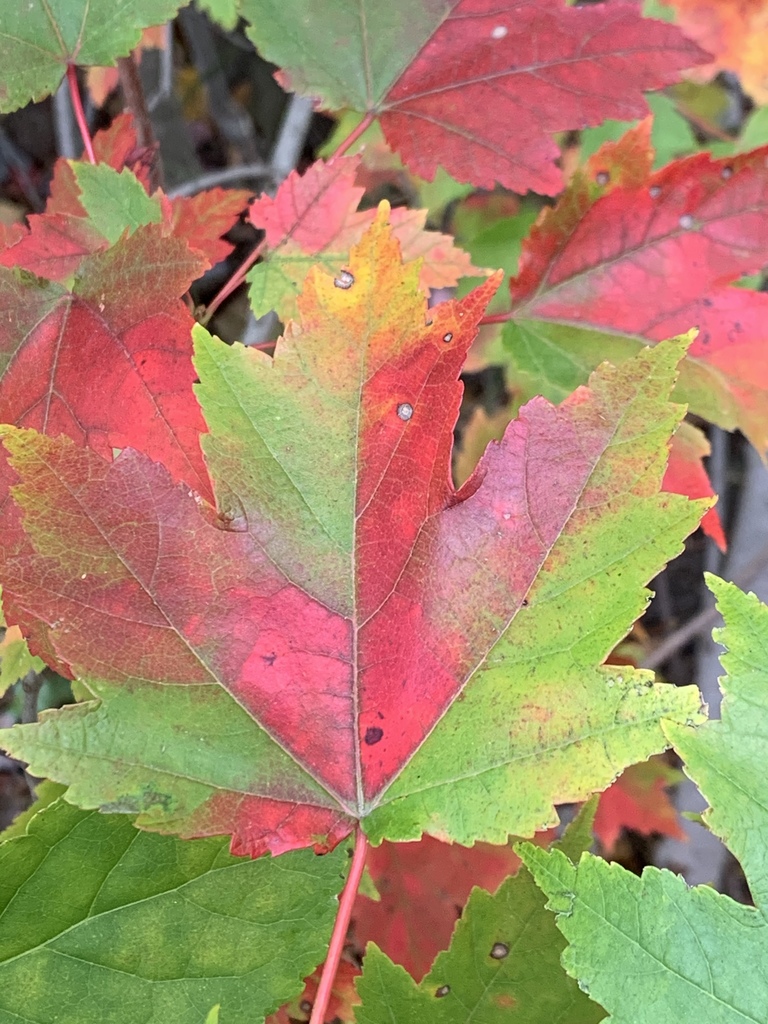
The red maple is a versatile and beloved native tree known for its stunning fall colors. It adapts well to various soil conditions, making it a popular choice for landscapes. You will enjoy its rapid growth and the seasonal interest it brings to your yard.

At a glance
- Care level
- Easy
- Plant type
- Deciduous tree
- Light
- Full sun to partial shade
- Indoor light
- Bright indirect
- Water
- Every 7 to 14 days
- Mature size
- 18 to 27 meters
- Growth rate
- Fast
- Hardiness
- USDA 3 to 9
- Bloom time
- Late winter to early spring
Care
Plant in a location with plenty of space for its wide root system. Keep the soil consistently moist, especially during dry spells, to prevent leaf scorch. Watch for pests like aphids or scale that might settle on the foliage.
- Watering
- Keep the soil consistently moist but not waterlogged.
- Feeding
- Apply a balanced slow-release fertilizer in early spring.
- Pruning
- Prune during the dormant winter season to avoid sap bleeding.
- Repotting
- Repotting is generally only applicable for young container specimens.
- Soil
- Moist, slightly acidic, well-draining soil
- Soil pH
- Acidic to neutral
- Temperature
- -35 to 35°C
- Humidity
- 40 to 80%
- Drought tolerance
- Moderate
- Lifespan
- Perennial, typically 80 to 100 years
- Deer and rabbits
- Moderate
Signs it needs repotting
- Roots growing out of drainage holes
- Water running straight through the pot
- Stunted growth
Safety
- People
- The foliage is toxic to horses and other equines if ingested in large quantities.
- Children
- The winged seeds are fun to drop, but they are not meant for consumption and should be kept away from small children.
- Contact allergens
- The bark and sap are generally safe, but some individuals may experience mild skin irritation.
- Airborne allergens
- The pollen produced in early spring can be a significant allergen for those sensitive to tree pollen.
- Edibility
- The seeds and leaves are not considered edible for humans and may cause digestive upset.
How to identify it
- Three lobed leaves with serrated edges
- Smooth gray bark on young trees
- Vibrant red or orange autumn foliage
- Small red flowers in early spring
- V-shaped samara fruit clusters
- Height
- 12 to 27m
- Spread
- 9 to 15m
- Leaves
- green, red, orange, yellow, deciduous
- Flowers
- red, yellow, 0.5 to 1cm
- Fruit
- red, brown, Late spring
Problems to watch for
- Leaf SpotCommon
- Scale InsectsCommon
- AnthracnoseUncommon
- AphidsUncommon
- ChlorosisUncommon
- Leaf ScorchUncommon
- Verticillium WiltUncommon
- CankerRare
By symptom
Check your red maple from a photo
Pocket Botanist looks at a photo of your plant and tells you what's wrong and what to try first.
Growing it
- Propagation
- seed, cuttings
- When to plant
- spring, autumn
- Overwintering
- No special winter protection is needed as this tree is fully hardy in its range. Ensure the soil remains moist but not waterlogged before the ground freezes.
- In containers
- Not suitable for long term container growth due to its large ultimate size.
Seed
- 1. Collect seeds in late spring.
- 2. Sow immediately in moist soil.
- 3. Keep soil consistently damp until germination.
Plant in groups with other moisture loving native shrubs to create a naturalistic woodland edge.
Grows well with
- Serviceberry — They share similar moisture requirements and provide layered interest.
- Highbush Blueberry — Both species thrive in acidic, moist soil conditions.
Similar species
- Sugar Maple — Often confused, but sugar maples have U shaped leaf sinuses compared to the V shaped ones of red maple.
- Silver Maple — Similar in habitat preference but has deeply lobed leaves with silvery undersides.
Science
- Family
- Sapindaceae
- Genus
- Acer
- Order
- Sapindales
- Class
- Magnoliopsida
- Native range
- Eastern and central North America.
- Conservation
- This species is widespread and secure across its native range.
It is a highly adaptable species that colonizes both wetland and upland forest sites.
- Value to wildlife
- nectar source, nesting site, larval host plant
- Pollinators
- bees, butterflies
- Uses
- ornamental shade tree, street tree, wildlife habitat
Through the year
Ecological indicators
- Salinity
- 2/9
- Soil reaction
- 4/9
- Light
- 6/9
- Temperature
- 5/9
- Nutrients
- 5/9
- Moisture
- 6/9
Taxonomy resolved against GBIF.
Questions people ask
- Does it need a lot of water?
- It prefers moist soil but adapts well to various conditions once established.
- Can I plant it near my house?
- It is best to plant it at least 6 meters away from foundations due to its vigorous root system.
Where the name comes from
The specific epithet rubrum means red, referring to its red flowers, twigs, and autumn foliage.
Good to know
- It is often called swamp maple because it thrives in wet soils.
- The leaves turn a brilliant red in autumn, making it a favorite for fall color.
- It is the state tree of Rhode Island.
- The wood is used for furniture and flooring.
Keep your red maple growing
This page is a general guide. Save your plant in Pocket Botanist and you get care reminders timed for this plant, plus a care history that shows what worked.
This guide was generated with AI and checked against GBIF taxonomy. It is general information, not horticultural or veterinary advice. Read about how we build these guides.