 Pocket Botanist
Guía de plantas
Arce rojo.
Acer rubrum
Pronunciación AY-ser ROO-brum
También se conoce como Arce, Arce rojo, Arce rojo, Arce de pantano, Arce de agua, Arce blando, arce escarlata, arce blando, arce de pantano


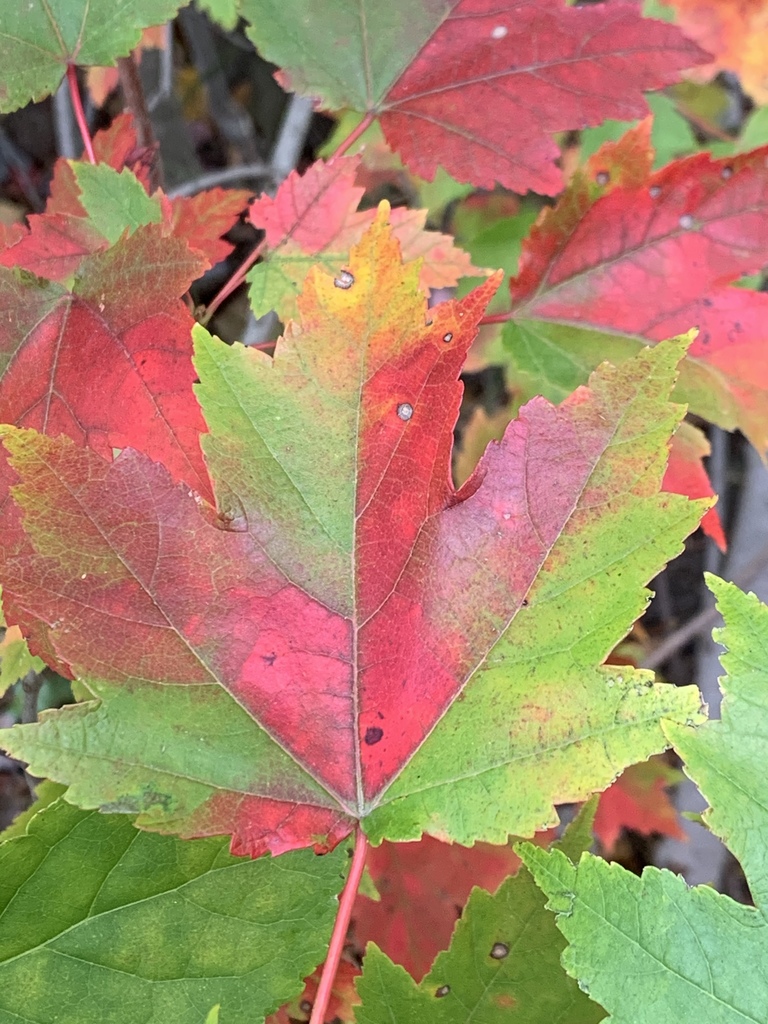
El arce rojo es un árbol nativo versátil y muy apreciado, conocido por sus impresionantes colores otoñales. Se adapta bien a diversas condiciones del suelo, lo que lo convierte en una opción popular para los paisajes. Disfrutará de su rápido crecimiento y del interés estacional que aporta a su jardín.

De un vistazo
- Nivel de cuidados
- Fácil
- Tipo de planta
- Árbol caducifolio
- Luz
- Pleno sol a sombra parcial
- Luz en interior
- Luz indirecta brillante
- Riego
- Cada 7 a 14 días
- Tamaño adulto
- 18 a 27 metros
- Ritmo de crecimiento
- Rápido
- Rusticidad
- USDA 3 a 9
- Floración
- Finales de invierno a principios de primavera
Cuidados
Plántelo en un lugar con mucho espacio para su amplio sistema de raíces. Mantenga la tierra constantemente húmeda, especialmente durante las sequías, para evitar que las hojas se quemen. Esté atento a plagas como pulgones o cochinillas que puedan instalarse en el follaje.
- Riego
- Mantenga la tierra constantemente húmeda, pero no encharcada.
- Abonado
- Aplique un fertilizante equilibrado de liberación lenta a principios de primavera.
- Poda
- Pode durante la temporada de invierno inactiva para evitar el sangrado de savia.
- Trasplante
- El trasplante generalmente solo es aplicable a especímenes jóvenes en contenedor.
- Suelo
- Suelo húmedo, ligeramente ácido y bien drenado
- pH del suelo
- Ácido a neutro
- Temperatura
- -35 a 35°C
- Humedad
- 40 a 80%
- Tolerancia a la sequía
- Moderada
- Longevidad
- Perenne, típicamente de 80 a 100 años
- Resistencia a ciervos y conejos
- Moderada
Señales de que necesita trasplante
- Raíces que crecen fuera de los orificios de drenaje
- El agua fluye directamente a través de la maceta
- Crecimiento atrofiado
Seguridad
- Personas
- El follaje es tóxico para los caballos y otros équidos si se ingiere en grandes cantidades.
- Niños
- Las semillas aladas son divertidas de dejar caer, pero no están destinadas al consumo y deben mantenerse alejadas de los niños pequeños.
- Alérgenos por contacto
- La corteza y la savia son generalmente seguras, pero algunas personas pueden experimentar una leve irritación de la piel.
- Alérgenos en el aire
- El polen producido a principios de primavera puede ser un alérgeno importante para las personas sensibles al polen de los árboles.
- Comestibilidad
- Las semillas y las hojas no se consideran comestibles para los humanos y pueden causar malestar digestivo.
Cómo identificarla
- Hojas trilobuladas con bordes aserrados
- Corteza gris lisa en árboles jóvenes
- Follaje vibrante de color rojo o naranja en otoño
- Pequeñas flores rojas a principios de primavera
- Grupos de sámaras en forma de V
- Altura
- 12 a 27m
- Anchura
- 9 a 15m
- Hojas
- verde, rojo, naranja, amarillo, caducifolio
- Flores
- rojo, amarillo, 0,5 a 1cm
- Frutos
- rojo, marrón, Finales de primavera
Problemas a vigilar
- CochinillasComún
- Manchas foliaresComún
- AntracnosisPoco común
- ClorosisPoco común
- PulgonesPoco común
- Quemadura foliarPoco común
- VerticilosisPoco común
- ChancroRara
- Mancha foliar — Las infecciones fúngicas causan pequeñas manchas en las hojas durante las estaciones húmedas.
Por síntoma
Revisa tu arce rojo con una foto
Pocket Botanist mira una foto de tu planta y te dice qué le pasa y qué probar primero.
Cómo cultivarla
- Propagación
- semilla, escas
- Cuándo plantar
- primavera, otoño
- Cuidados en invierno
- No se necesita protección especial para el invierno, ya que este árbol es completamente resistente en su área de distribución. Asegúrese de que el suelo permanezca húmedo pero no encharcado antes de que el suelo se congele.
- En maceta
- No es adecuado para el crecimiento en contenedores a largo plazo debido a su gran tamaño final.
Semilla
- 1. Recolecte las semillas a finales de primavera.
- 2. Siembre inmediatamente en suelo húmedo.
- 3. Mantenga el suelo constantemente húmedo hasta la germinación.
Plante en grupos con otros arbustos nativos amantes de la humedad para crear un borde de bosque naturalista.
Buenas compañeras
- Amelanchier arborea — Comparten requisitos de humedad similares y proporcionan interés en capas.
- Arándano azul de arbusto alto — Ambas especies prosperan en condiciones de suelo ácido y húmedo.
Especies parecidas
- Acer saccharum — A menudo se confunden, pero los arces de azúcar tienen senos foliares en forma de U en comparación con los de forma de V del arce rojo.
- Acer saccharinum — Similar en preferencia de hábitat, pero tiene hojas profundamente lobuladas con partes inferiores plateadas.
Ciencia
- Familia
- Sapindaceae
- Género
- Acer
- Orden
- Sapindales
- Clase
- Magnoliopsida
- Distribución natural
- América del Norte oriental y central.
- Conservación
- Esta especie está muy extendida y es segura en su área de distribución nativa.
Es una especie muy adaptable que coloniza sitios de bosques tanto de humedales como de tierras altas.
- Valor para la fauna
- fuente de néctar, sitio de anidación, planta huésped de larvas
- Polinizadores
- abejas, mariposas
- Usos
- árbol ornamental de sombra, árbol de calle, hábitat para la vida silvestre
A lo largo del año
Indicadores ecológicos
- Salinidad
- 2/9
- Reacción del suelo
- 4/9
- Luz
- 6/9
- Temperatura
- 5/9
- Nutrientes
- 5/9
- Humedad
- 6/9
Taxonomía cotejada con GBIF.
Lo que más preguntan
- ¿Necesita mucha agua?
- Prefiere suelos húmedos, pero se adapta bien a diversas condiciones una vez establecido.
- ¿Puedo plantarlo cerca de mi casa?
- Es mejor plantarlo al menos a 6 metros de distancia de los cimientos debido a su vigoroso sistema radicular.
De dónde viene el nombre
El epíteto específico rubrum significa rojo, refiriéndose a sus flores rojas, ramitas y follaje otoñal.
Bueno saberlo
- A menudo se le llama arce de pantano porque prospera en suelos húmedos.
- Las hojas se vuelven de un rojo brillante en otoño, lo que lo convierte en un favorito para el color otoñal.
- Es el árbol del estado de Rhode Island.
- La madera se usa para muebles y pisos.
Que tu arce rojo siga creciendo
Esta página es una guía general. Guarda tu planta en Pocket Botanist y tendrás recordatorios de cuidado pensados para esta planta, además de un historial de cuidados que muestra qué ha funcionado.
Esta guía se ha generado con IA y se ha cotejado con la taxonomía de GBIF. Es información general, no asesoramiento botánico ni veterinario. Descubre cómo elaboramos estas guías.