 Pocket Botanist

Check these first
- Inspect the trunk for small holes or sawdust.
- Look for sticky honeydew on the leaves.
- Check for sudden wilting of individual branches.
Likely causes
Bark beetles
Most likelyHow to tell: Small holes in the bark and sawdust at the base of the tree. Branches may wilt suddenly, which is a primary indicator of Dutch elm disease.
What to do: Contact a professional arborist immediately if you suspect Dutch elm disease. Remove and destroy infected wood to prevent the spread to other trees.
Aphids
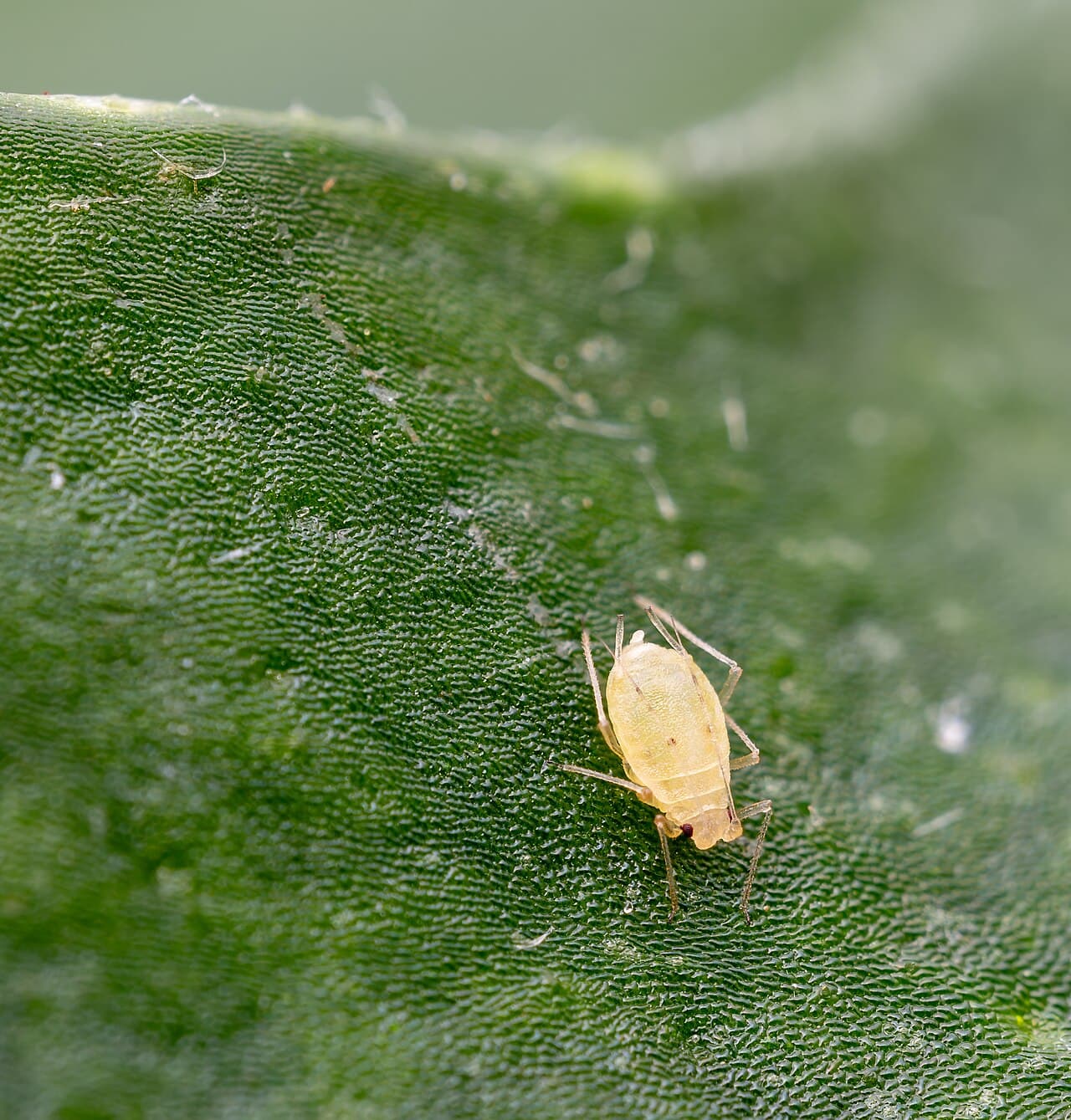
PossibleHow to tell: Sticky residue on leaves and curled, distorted new growth. You may see small green or black insects on the undersides of leaves.
What to do: Spray the leaves with a strong stream of water to knock the aphids off. For heavy infestations, use an insecticidal soap according to the label directions.
Find out what's wrong with your field elm
The list above covers the usual causes. Pocket Botanist looks at a photo of your actual plant and tells you the likely cause, how serious it is, and what to try first. Identification and a health check are free.



Scan with your phone's camera to get the app
Or go to pocketbotanist.app/get on your phone
When to worry
Sudden wilting of branches is a serious emergency that requires professional help. Minor aphid activity is usually manageable and not fatal.
Stopping it coming back
Keep your tree healthy and vigorous through proper watering. Avoid pruning during the peak flight season of bark beetles.
Field elm: pests? Check yours with a photo
Every plant is a little different. Take a photo of your field elm and Pocket Botanist tells you which cause is most likely, how serious it is, and what to try first. A few checks a day are free. Save the plant and you get care reminders timed for it.
Scan with your phone's camera to get the app
Or go to pocketbotanist.app/get on your phone
Get the app · Or check it from a photo now, free
Questions people ask
- Are all pests on my elm dangerous?
- No, many insects are just passing through. Focus on identifying the specific pest and whether it is causing structural damage or wilting.
- How do I know if it is Dutch elm disease?
- Look for flagging, where leaves on one or more branches turn yellow or brown and wilt. This often happens in late spring or summer.
Guides to these causes
More problems with Field elm
This article was generated with AI on from the plant’s care profile and is general information, not horticultural advice. Read about how we build these guides.